Following the 3.11 tragedy: on the rooftop
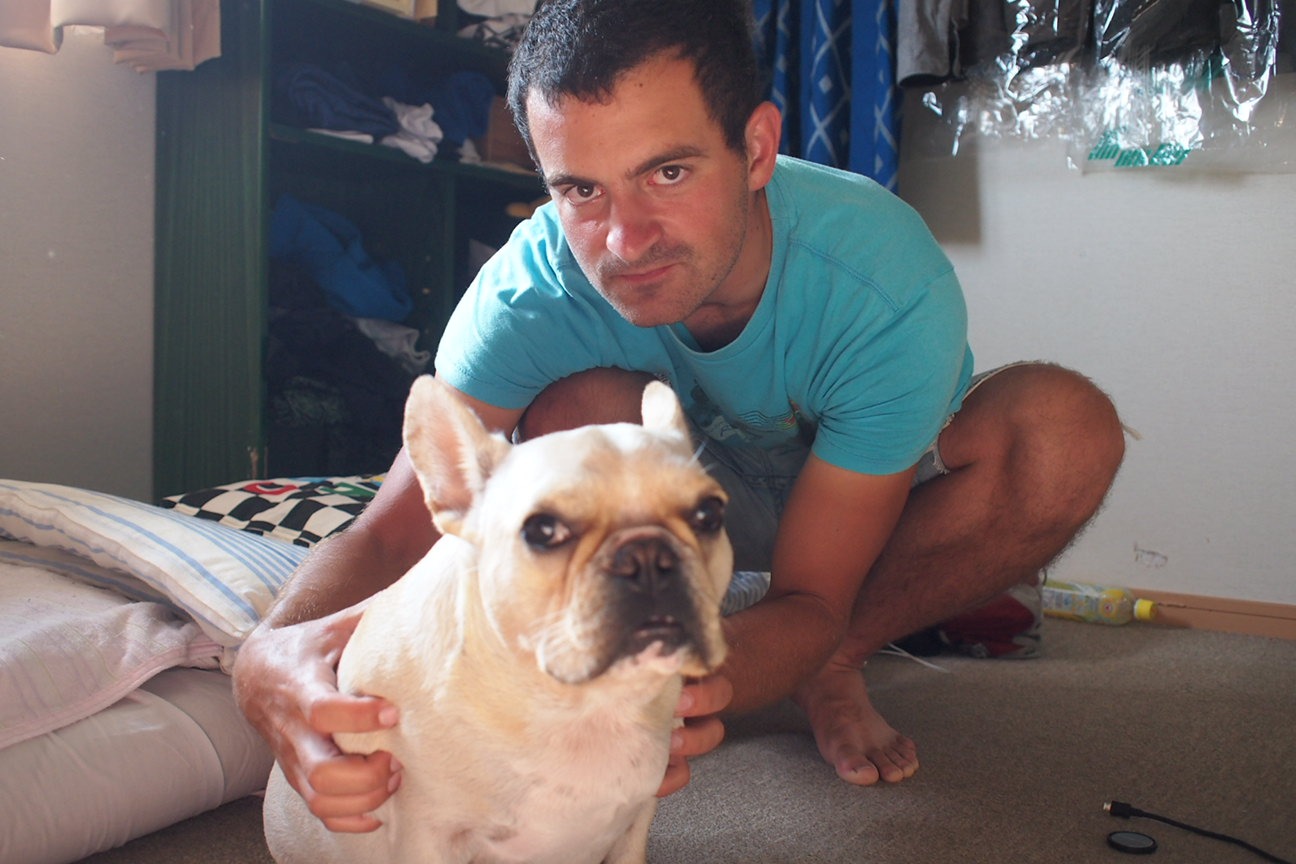
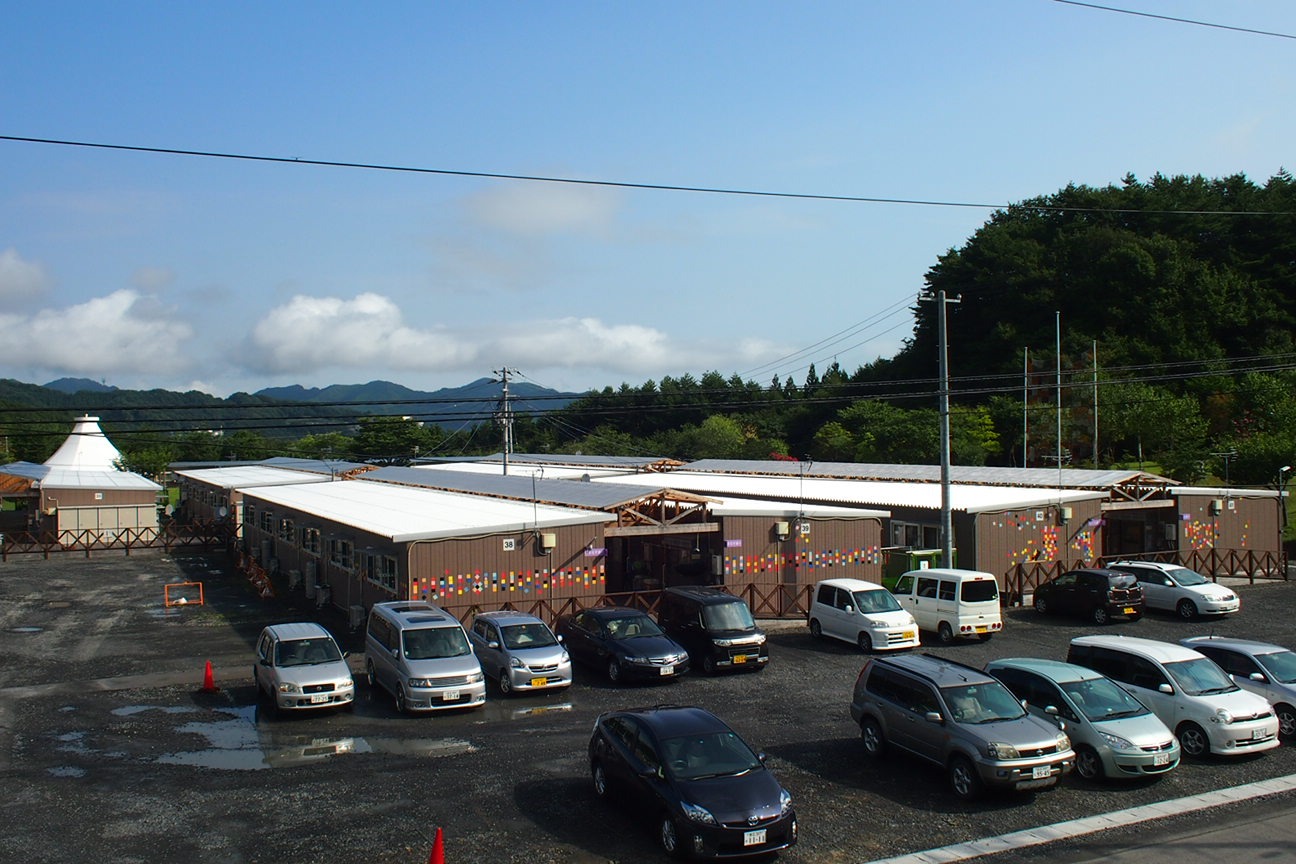
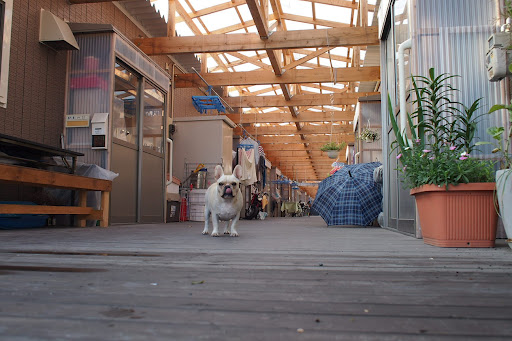
AI TranslationLast night I stayed in a barracks — new housing for those who lost their homes in the tsunami. Long barracks about a hundred meters long are joined in pairs by one roof and a corridor. The apartment for three people has two bedrooms and a kitchen with an entryway. "Satoshi thought you were having problems." Satoshi is the guy who invited me to his house after seeing me eating a late dinner outside a Lawson store at eleven at night.
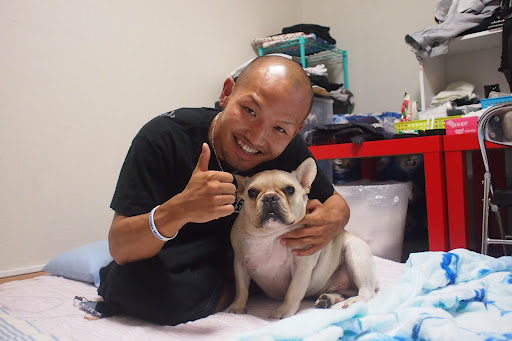
"No, I'm fine, I was just having dinner." Because of the rain, I had only covered 14 kilometers that day and was planning to ride all night to get to Sendai faster. Satoshi was sleeping in his room when the March 11th tsunami swept over their house in Kamaishi, Iwate Prefecture. The walls of the first floor collapsed, and he drifted out to sea along with the floor and roof of the second floor. Without food. There was a little water, just enough for him to be found alive. His evacuated parents waited for news every day in a tent city until he was found on the evening of the third day.
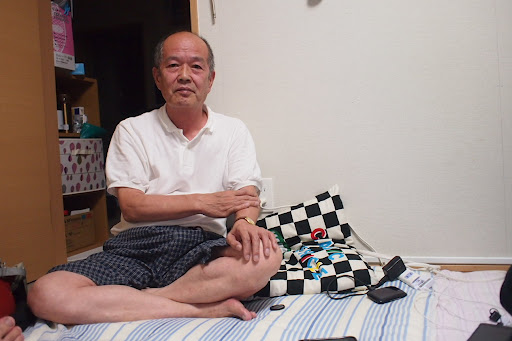
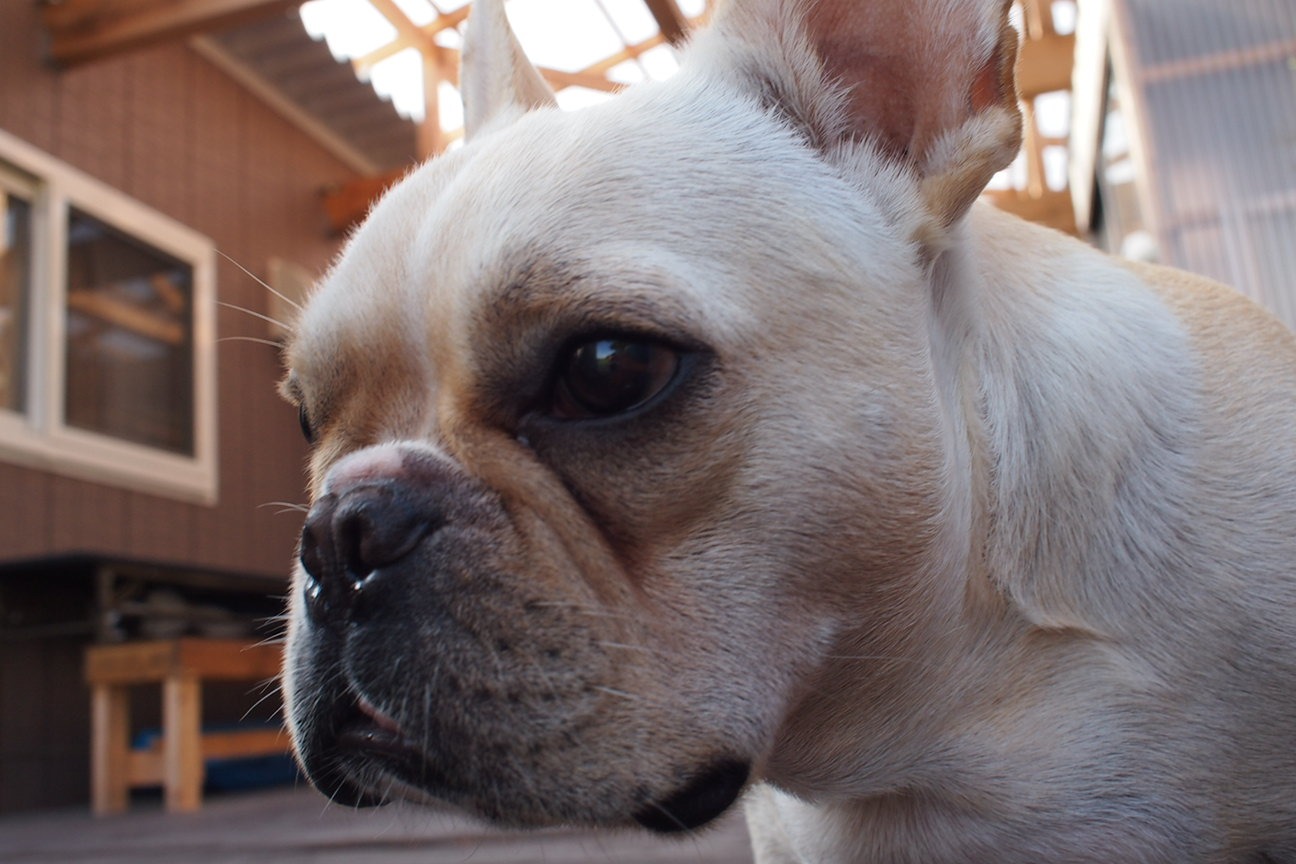
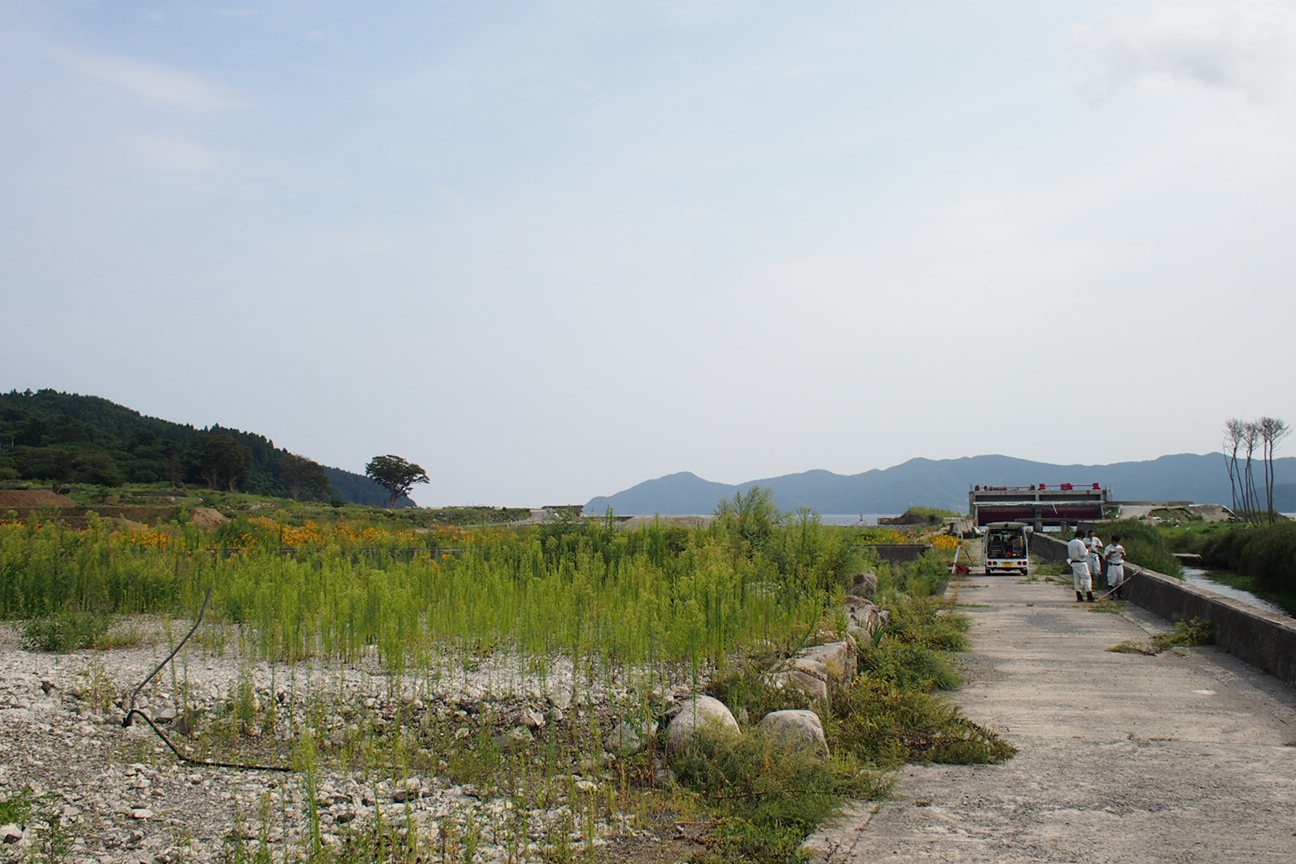
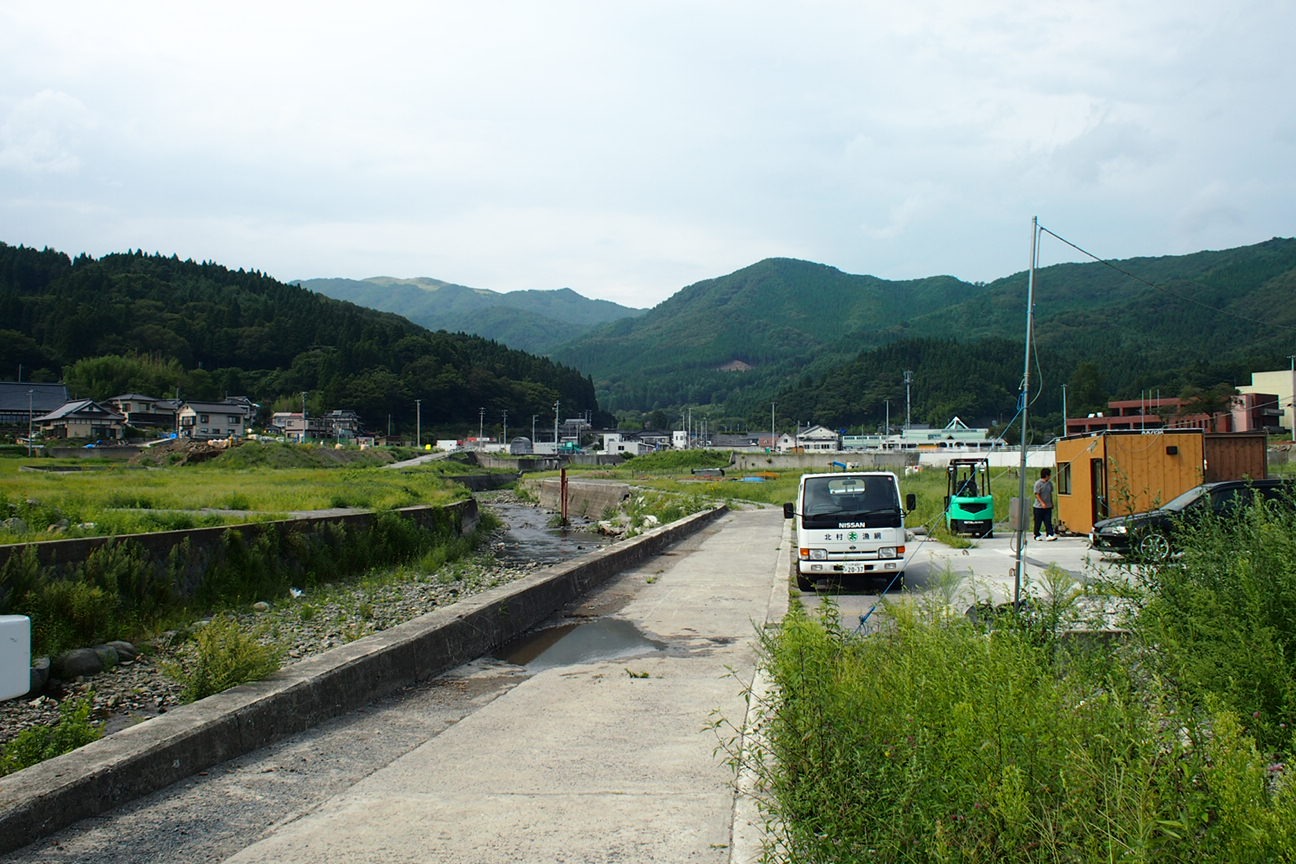
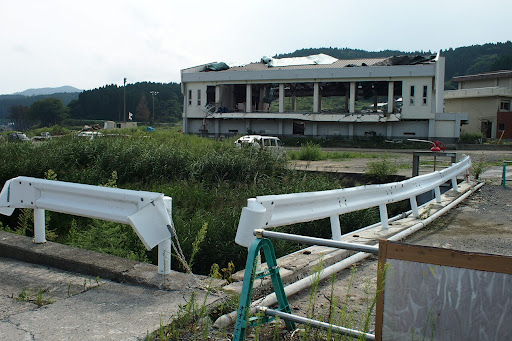
"This is temporary housing, we had a big house," his father reminds me just in case. The three of us sit Japanese-style on the floor in Satoshi's bedroom. On the walls are photos from the old days: karate club, with friends at the beach. A fat French bulldog sits on his feet. He's just over a year old, like this family's new life. Now Satoshi works as a builder on local reconstruction projects. All along the coast you can see destroyed buildings and reconstruction work underway. I was on one of the coasts in Iwate Prefecture. I saw house foundations, debris, soil corrosion, and surveyors in light-colored overalls.
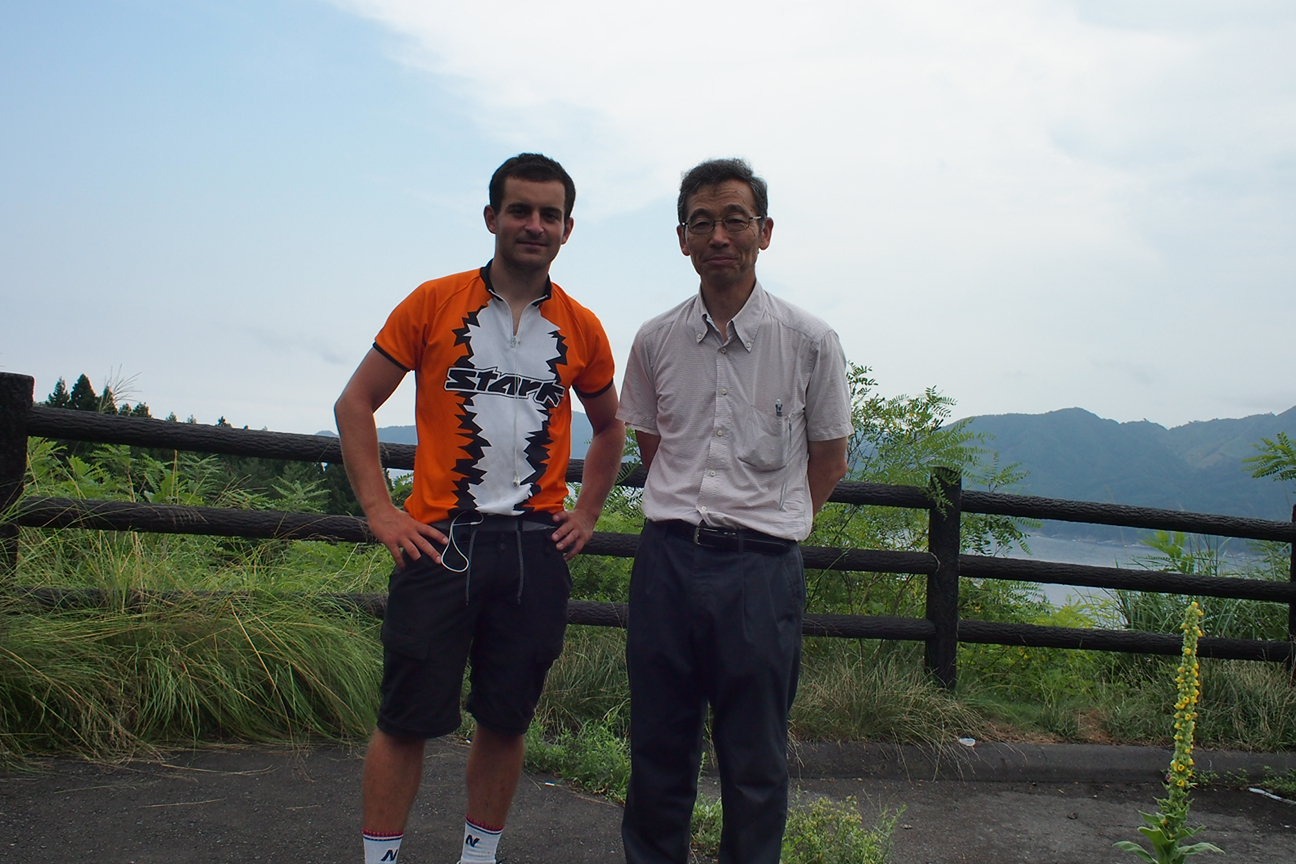
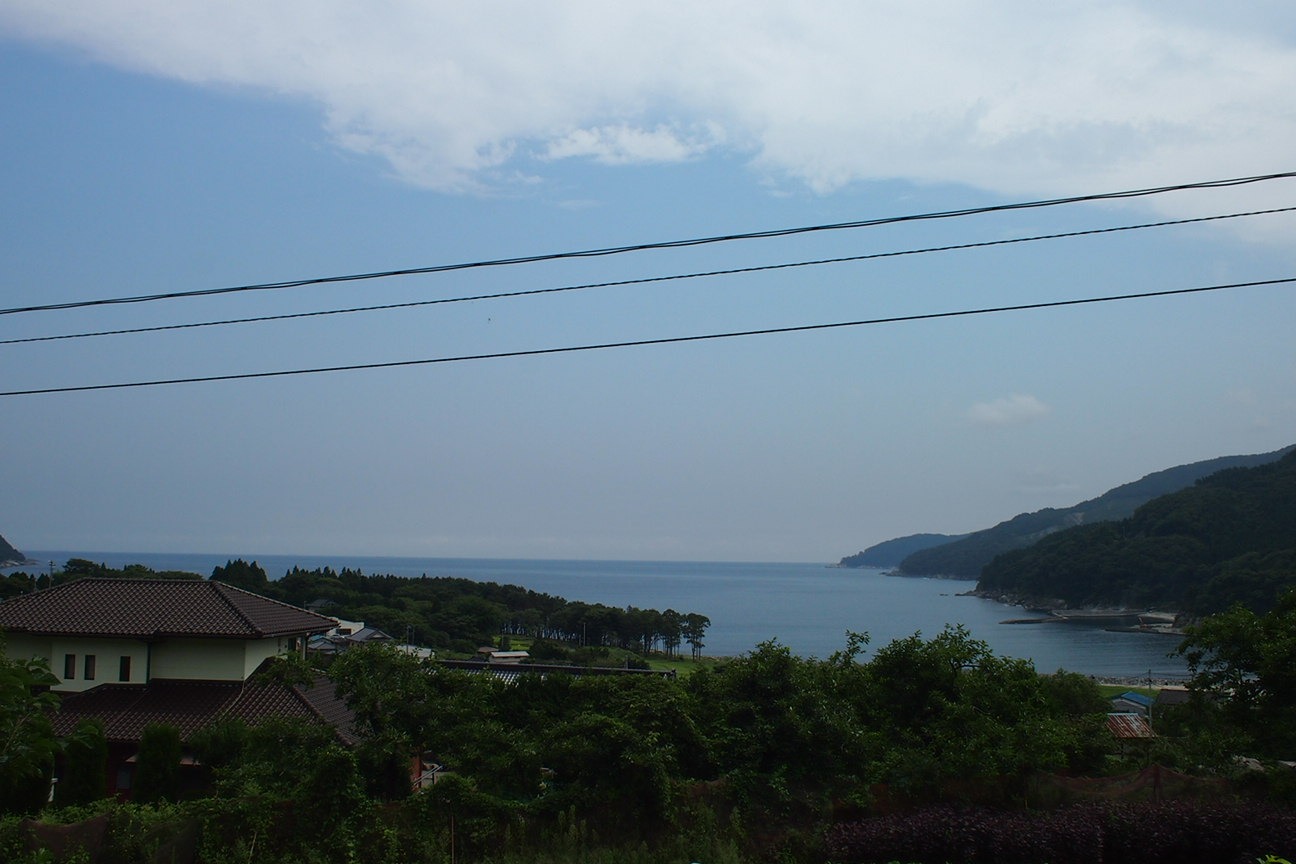
At a rest stop by the highway where you can take a break from the heat and noise, drink some cola and chat with drivers, I met a Citizen company employee. "I had a meeting nearby, and now I'm driving to Tokyo." He has about five hours of driving to Tokyo. From the elevated spot, there's a view of the Pacific harbor where you can see the coastline, a bald patch where the forest line has receded, and a few houses. From here you could have easily watched the high wave hit the shore and destroy the houses. "Is it safe here where we're standing?" "Yes, yes, it's safe," he laughs. "We're maybe 200 meters above sea level." Tokyo experienced an earthquake then too, but without serious consequences. "How did the earthquake feel in Tokyo?" "The chandelier in my living room was swaying under the ceiling." "Must have been very scary." "Yes, yes, I was very frightened."
But earthquakes can happen anywhere, even in Hokkaido, buildings have earthquake-resistant design, and the danger is minimized. I asked him how people live with families, set up homes, knowing that one day there will be a tsunami and they'll lose everything. His answer in simple English sounded something like this. He was laughing while saying it, as if telling an absurd story from life. "Some people work by the sea, they go down to the coast every day and go back up in the evening. They get tired of it and build houses right by the coast." Laughs. "There's a line determined by the government beyond which you can't build houses, precisely because of tsunamis, but people build anyway." Laughs. The government allocated money to everyone affected by the tsunami, even those who built houses beyond the line, but now they've changed the law.
Japan has a warning system, but in March last year there was first an 8.5 magnitude earthquake. While people were dealing with the earthquake, the tsunami came unexpectedly. As a result, about 20,000 people died, and another 2,000 are still considered missing.
This evening I'm riding again after sunset. Usually I moved along the highway and saw the coast only from a distance. I saw machinery and heard the noise of jackhammers. But this time I plugged "Sendai" into Google Maps, and it took me on a shortcut through such ruins.
In the darkness you can only see house foundations like those at archaeological sites — 30 centimeters above ground. Entire neighborhoods of foundations. You can make out markings on the roads. Here was a parking lot, there's a disabled parking spot, and here's a basketball court. In several houses there are Buddhist figurines and flowers placed.
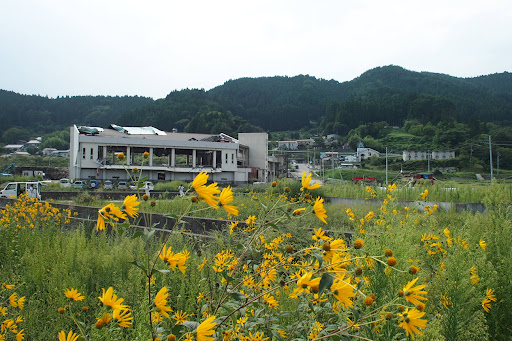
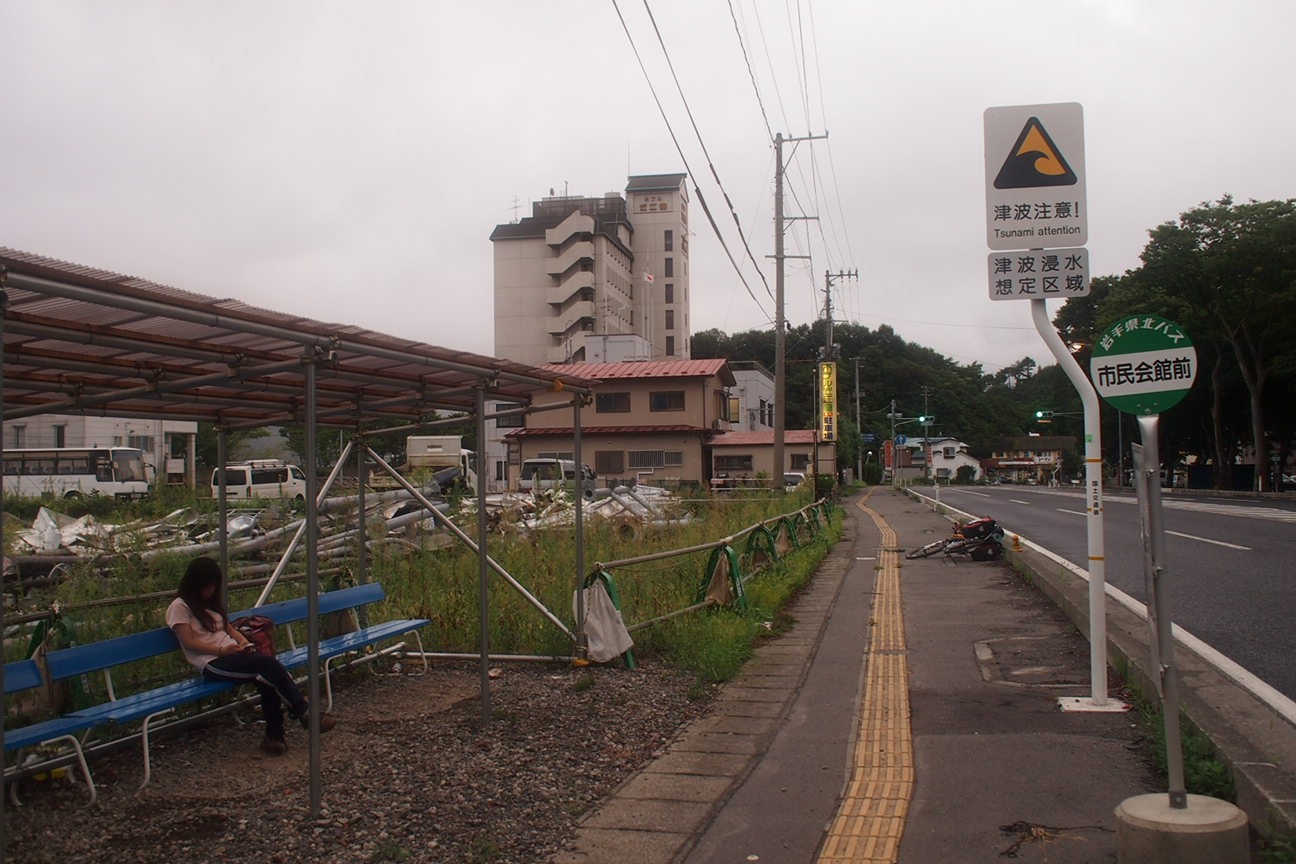
The road goes up and down, and on the descent there's a road sign "Beginning of tsunami zone". Weeds break through cracks in the asphalt. Where wheat fields once were, mixed dry ugly shrubs now grow. Uphill and a sign "End of tsunami zone". Here stands construction equipment and hastily thrown-together barracks for builders — there are many of them here. Because of this, the first things restored were bars and eateries. Along streets where foundations have the unpleasant smell of stagnant seawater and chewed metal lies around, you can see red lanterns and eatery signs here and there. A clean Lawson — a store for ready food, cigarettes, drinks — glows in the darkness with a blue sign that nothing blocks. This was a town of single-story houses, colorful roofs with a picturesque coast, resort, festivals, yachts and warm nights. A minibus stops near Lawson's and a drunk worker with a woman gets out. "Hello!" "Hello" "See you." He walks into the store, staggering.
Another decoration at the end of the tsunami zone is tombstones. Entire parking lots of marble slabs. Tractors, excavators, trucks and tombstones. Then downward: foundations, weeds, stench. I dive in and surface again. Now I want to surface forever, the road goes into the interior of the island, and finally in the darkness I see tombstones again.
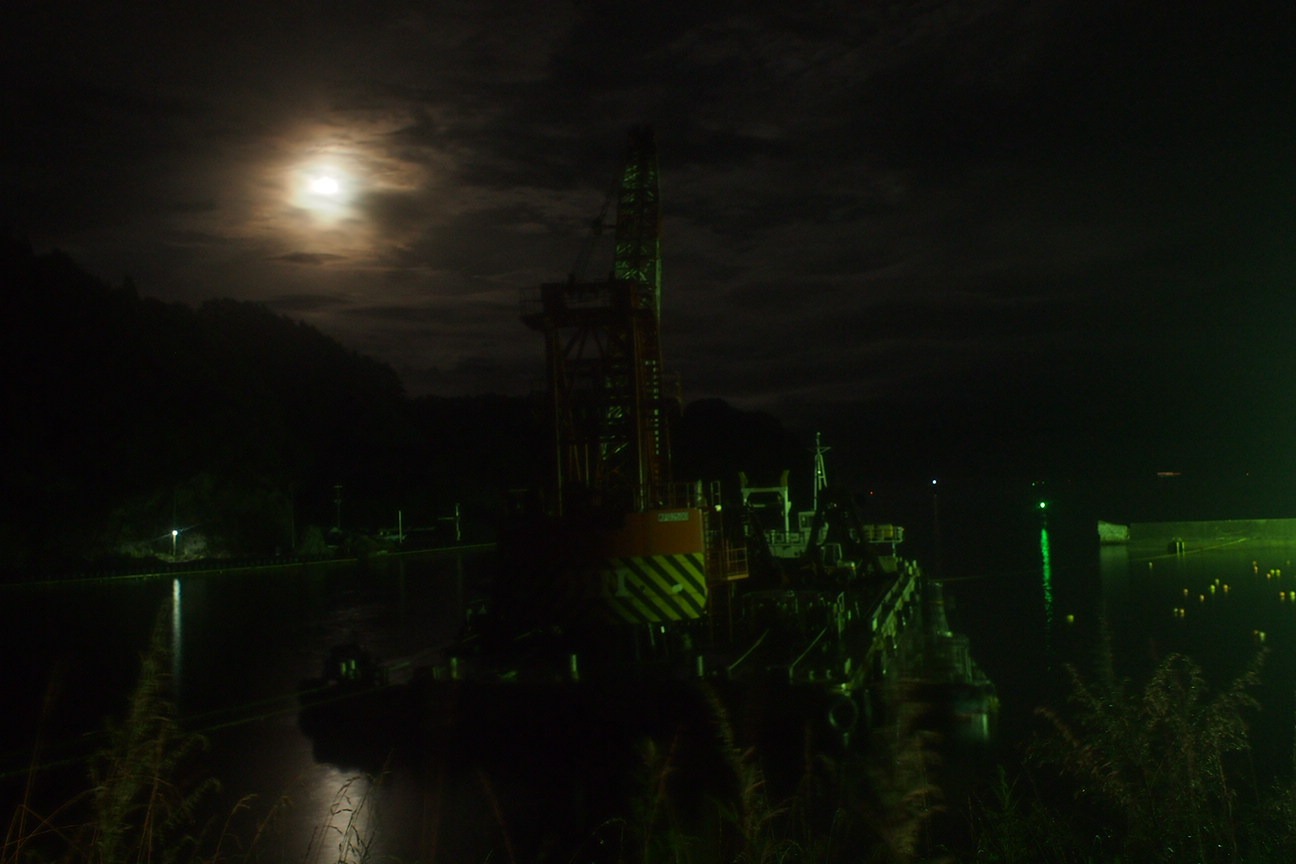
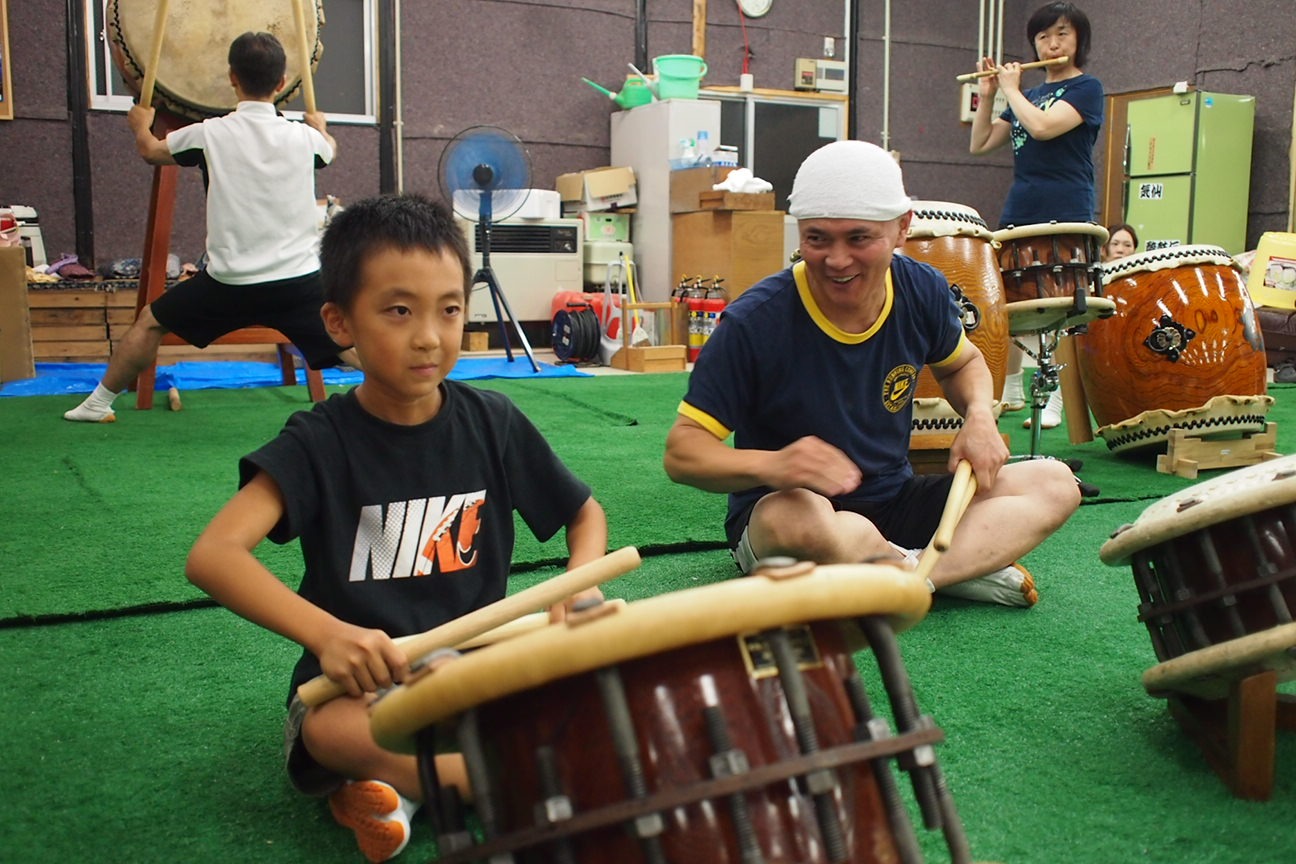
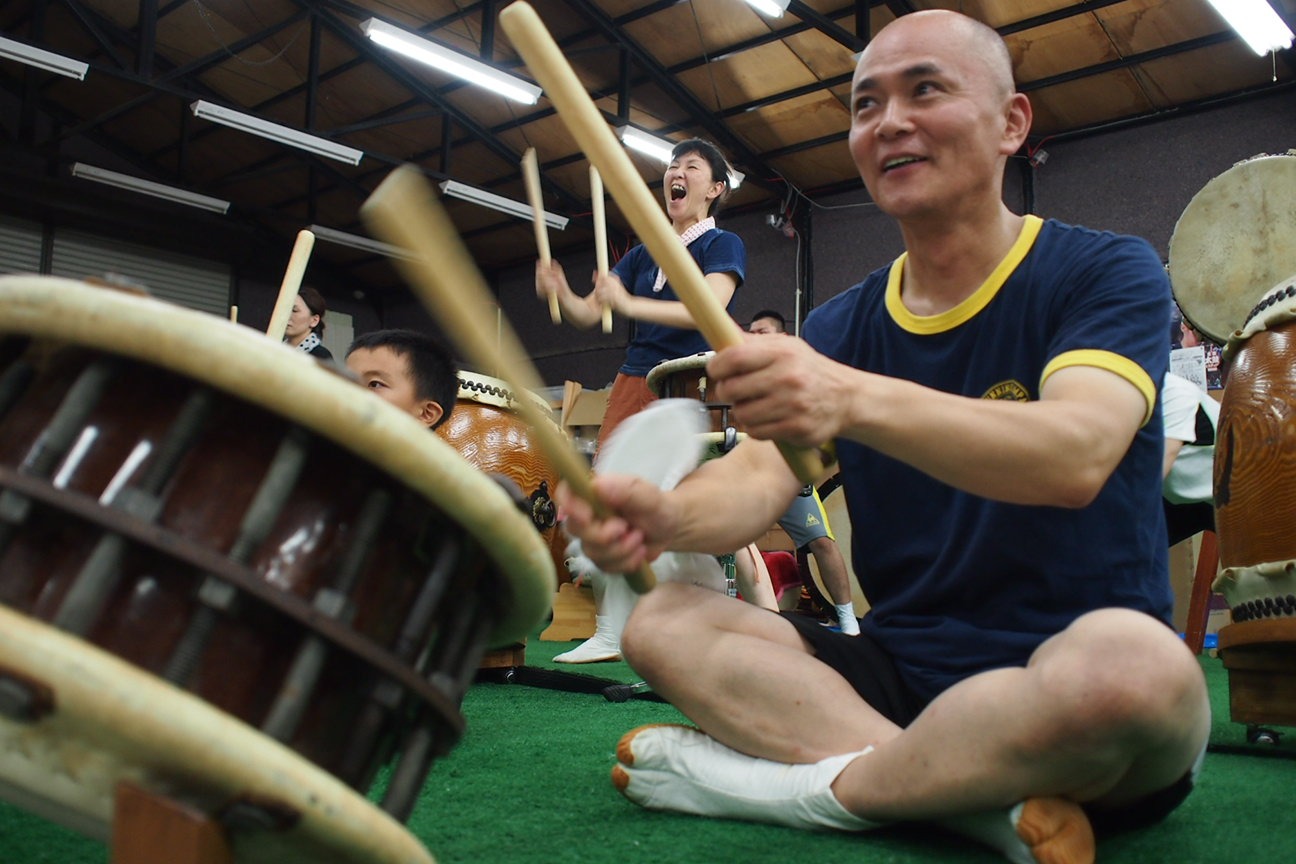
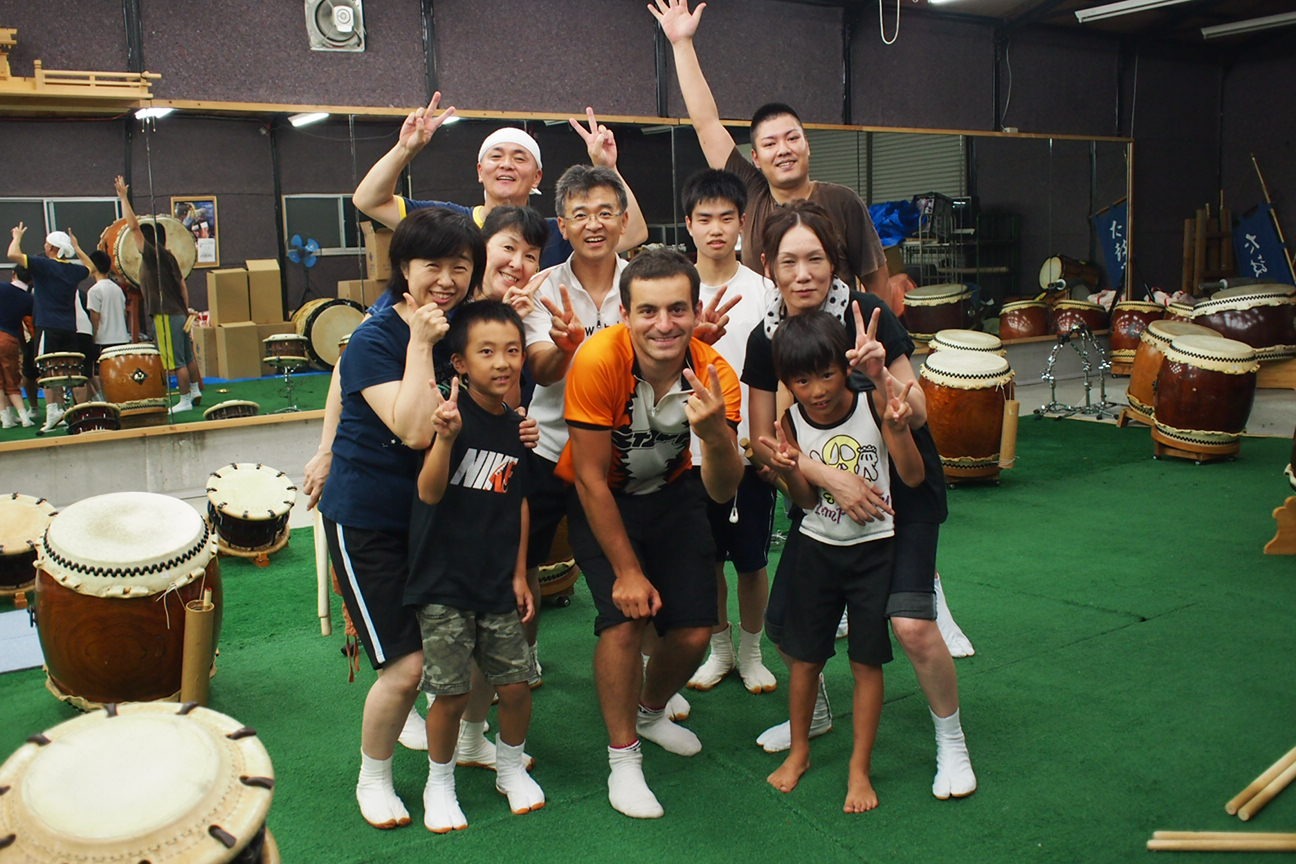
Great relief after such a day. After climbing another hill, I decided to stop on the roadside. There was some kind of trailer there with lights on. Something calm was playing in my headphones when suddenly I heard a very loud rumble, even got scared. I took off my headphones and started to distinguish a rhythm in the noise.