Unisex onsen, Lake Towada and marine Mike
AI TranslationMixed onsens for men and women in Japan are totally normal. There are fewer of them now because of the culture imposed by Western countries. While Europe was raging with the church of immaculate conception, in Japanese culture sex and genitals weren't something shameful. Men and women bathed together in the baths. Modern Japanese increasingly prefer separate onsens, while European tourists are happy to personally experience the flavor of "that" Japan. Another group of mixed onsen visitors are elderly Japanese men who come to check out the charms of blonde beauties from the big continent.
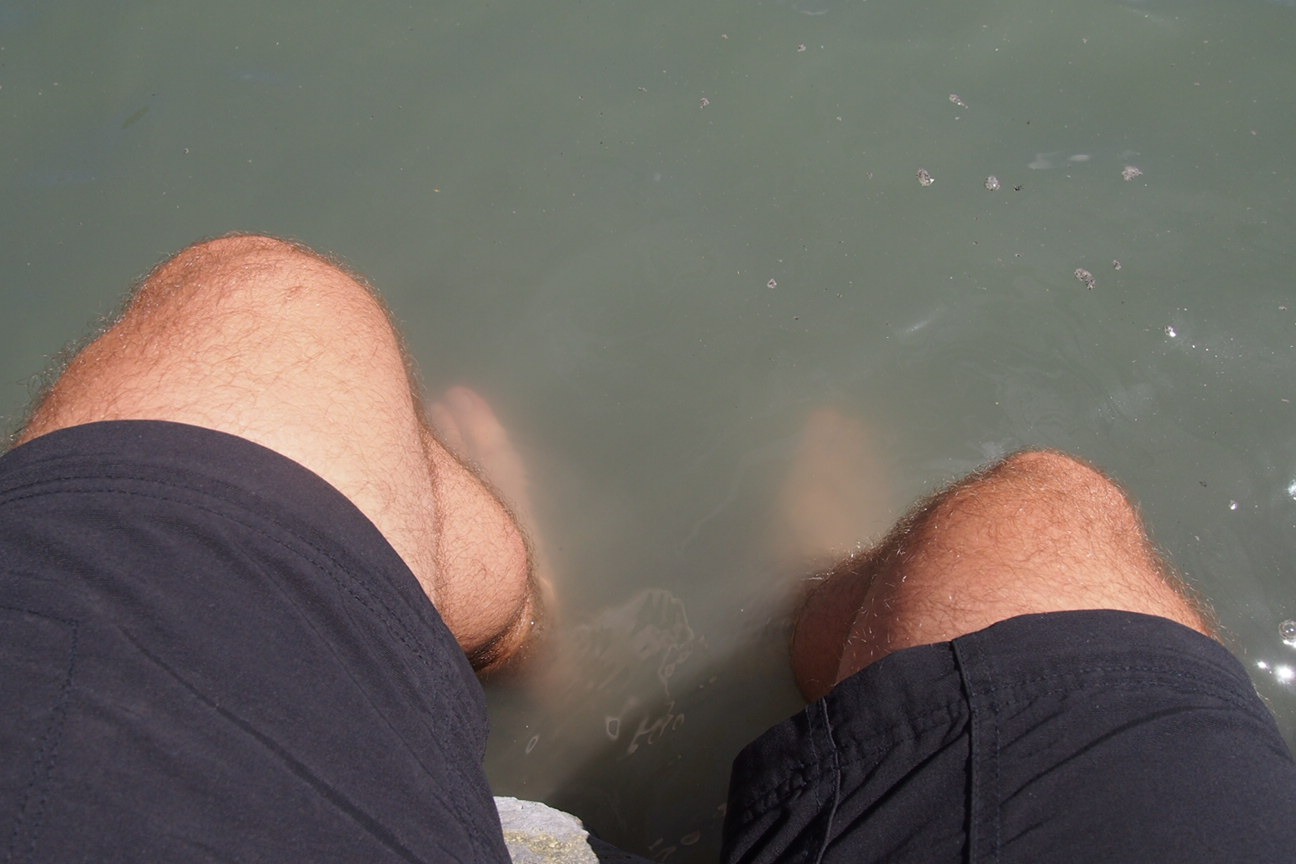
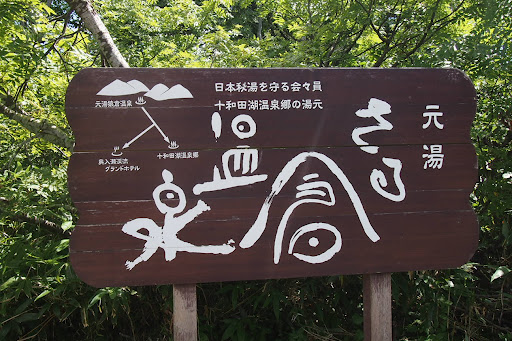
The onsen we went to was the biggest one I'd ever been to. A spacious hall that looked like a cave with two large pools of hot greenish water. It didn't have the usual little stools and showers. Water shot directly from the walls from about two meters high. Under one of them, in a Spider-Man pose ready to jump, some guy was doing stretches. There were no women there. I stood under the stream and tasted salt in my mouth — the water comes here from hot mountain springs. After an hour, an onsen worker approached us and asked us to leave — from eight to nine in the evening, bathing is women only.
"Where are you going next?" "I don't know, probably to the Pacific coast. By the way, you probably know what's up with Fukushima? Is it safe there?" "I don't know, need to check." He wasn't the first person I'd asked about Fukushima, but nobody could give me a clear answer. Maybe even Japanese people on Honshu just don't care about it.
In the camping gazebo we continued talking about their and my adventures. Two weeks ago they were on Hokkaido and saw a bear with a cub there. One of the guys showed me their photos on his camera. "And this is our training vessel." He showed me a sailboat. "You study on a sailboat? Why?" "Yes, on a sailboat." They looked at each other and smiled. "We don't really know ourselves. Last month we sailed it to Hawaii. Without an engine, just under sail."
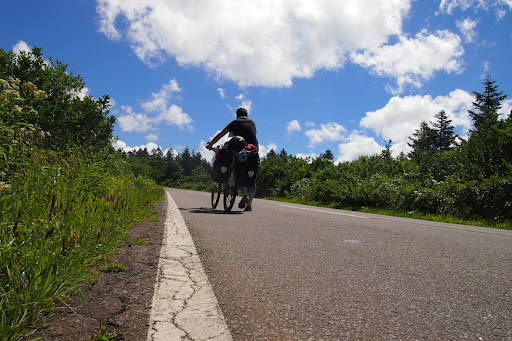
Not sure if knowing how to handle sails will help them in their future practice, but sailing from Tokyo to the Hawaiian Islands under sail must be incredibly cool. In the morning we agreed to take a photo together, and then I headed on. Luckily, there wasn't much uphill left and soon I was facing a long, steep descent. I was heading to Lake Towada.
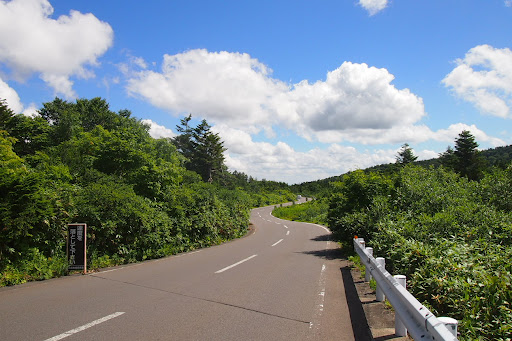
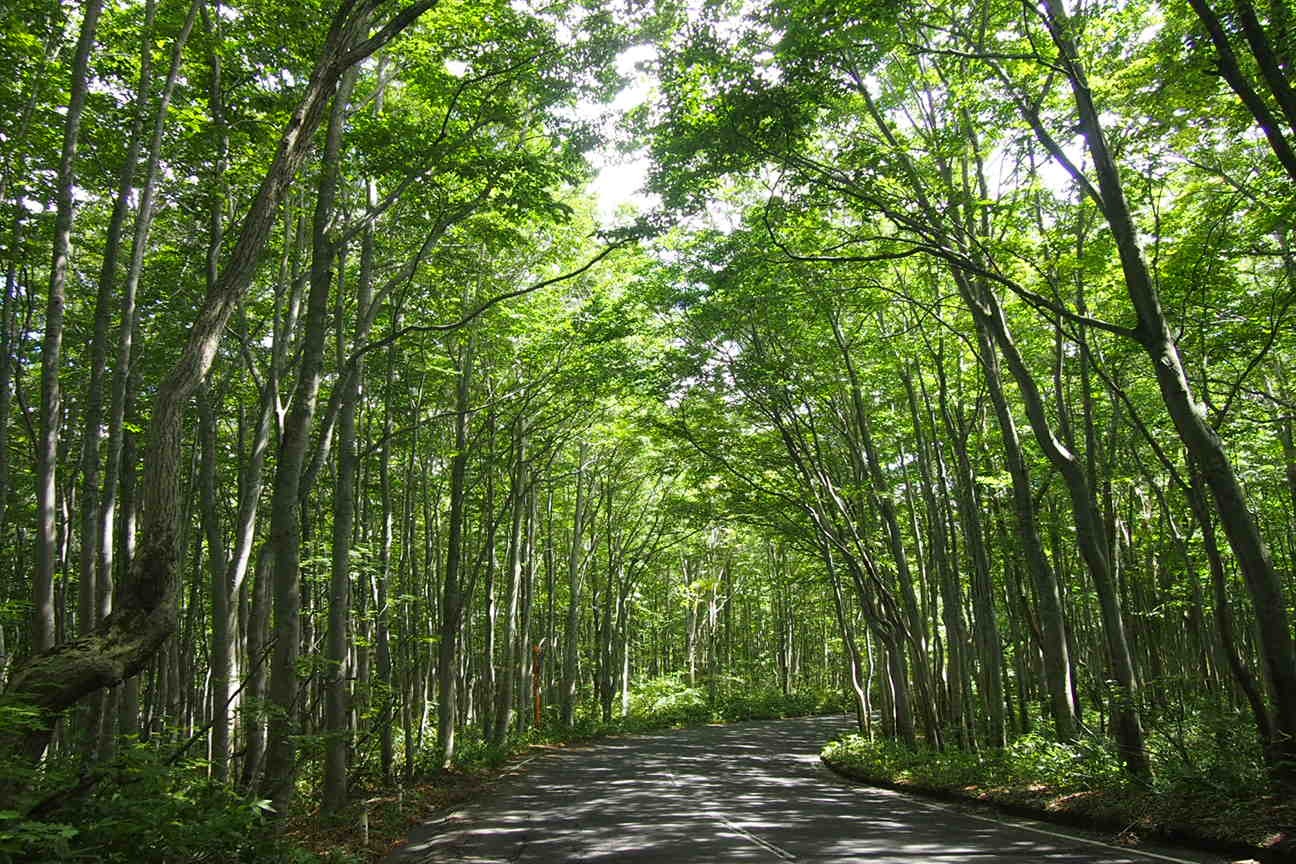
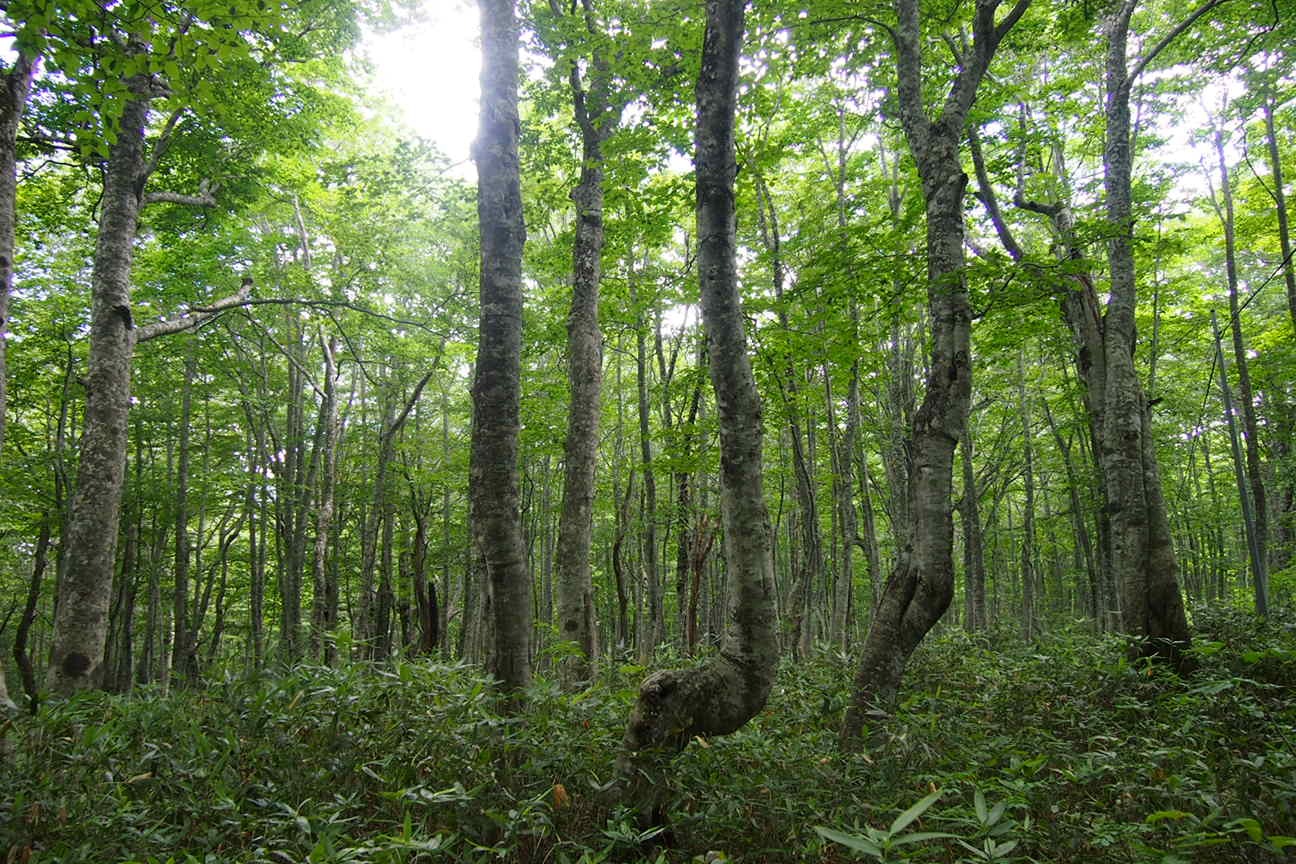
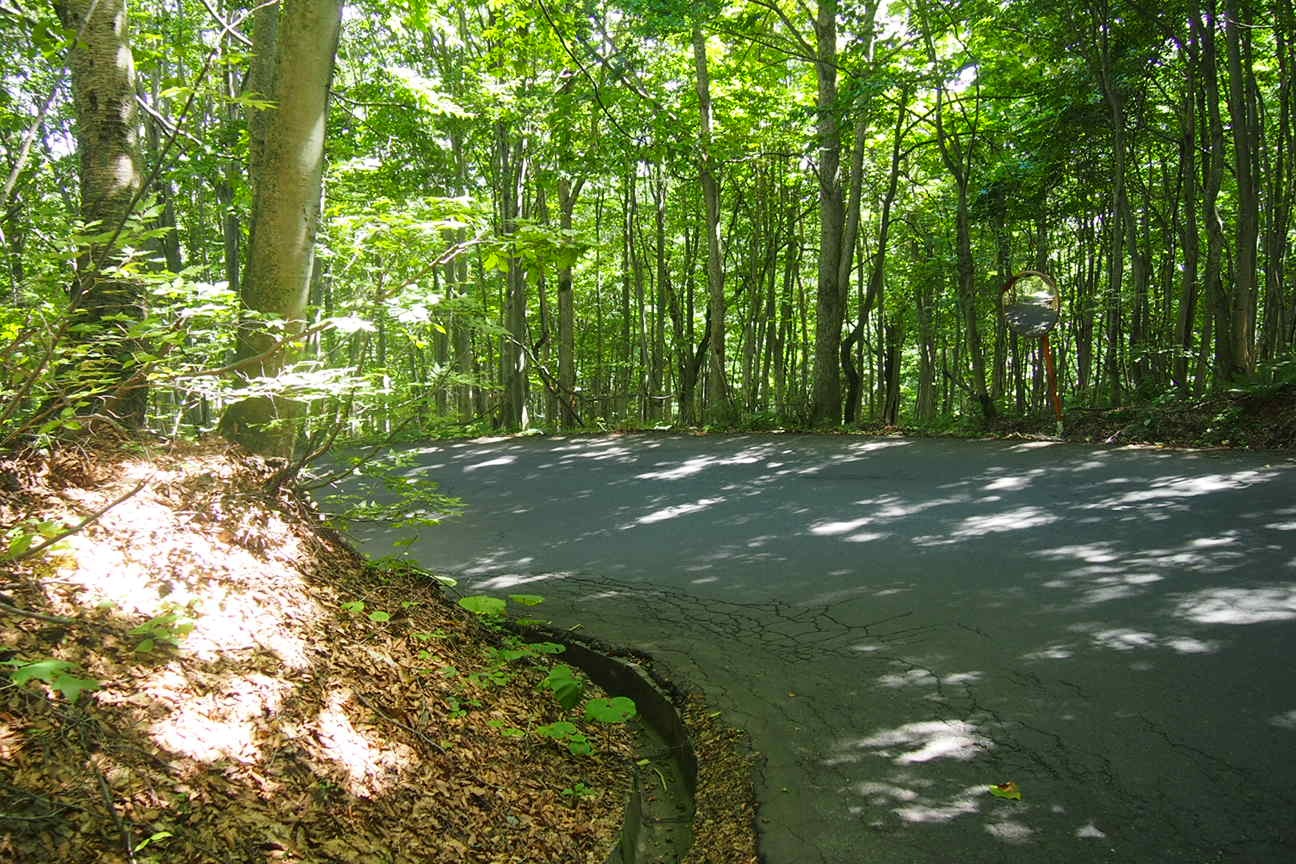
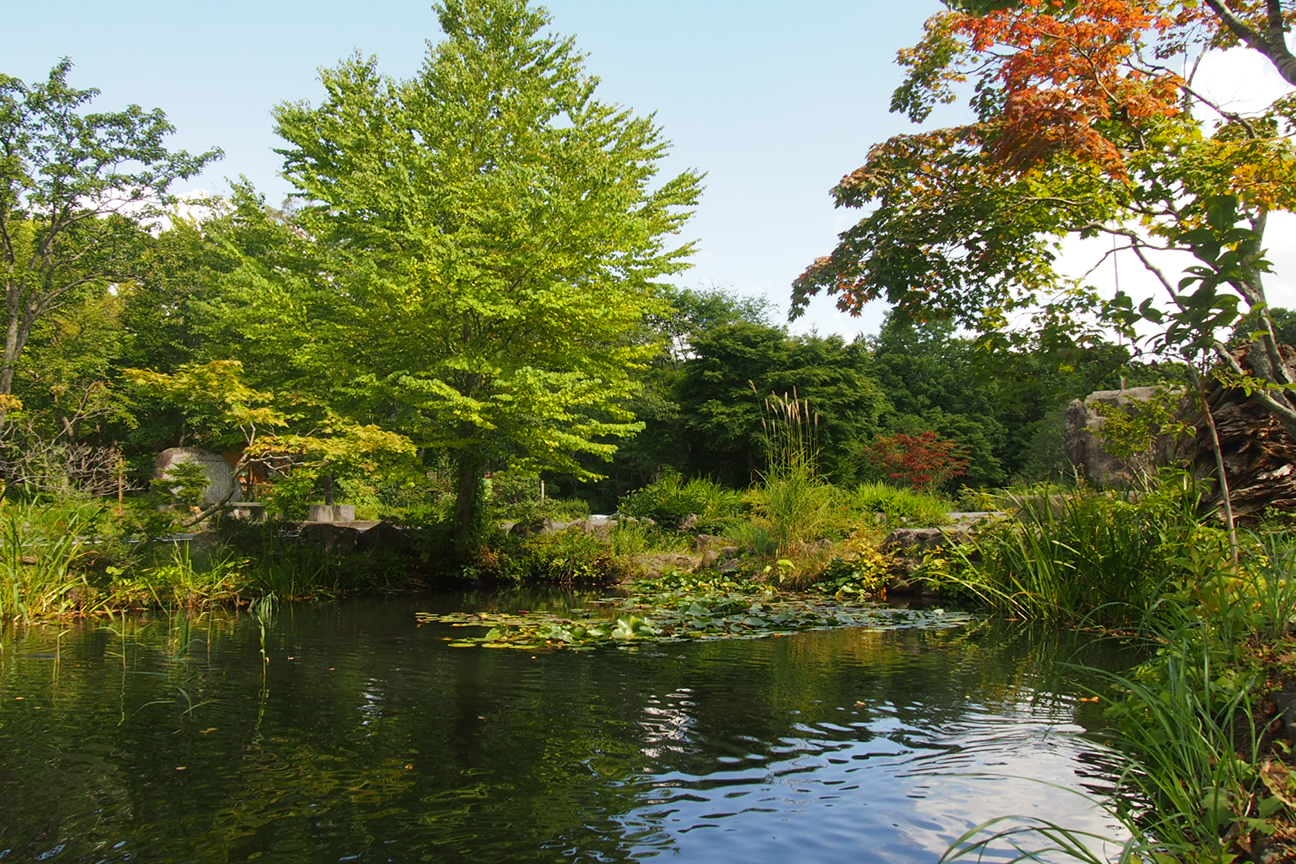
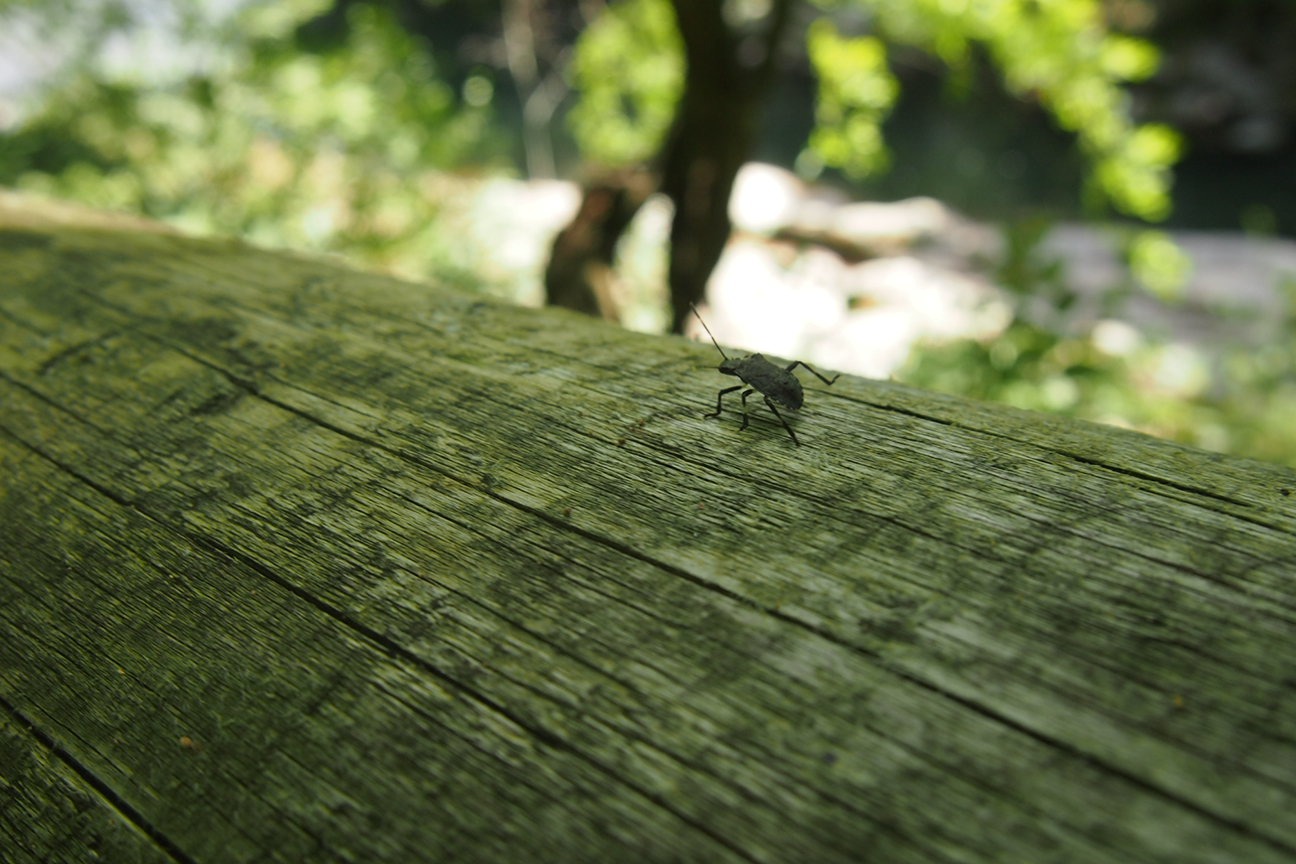
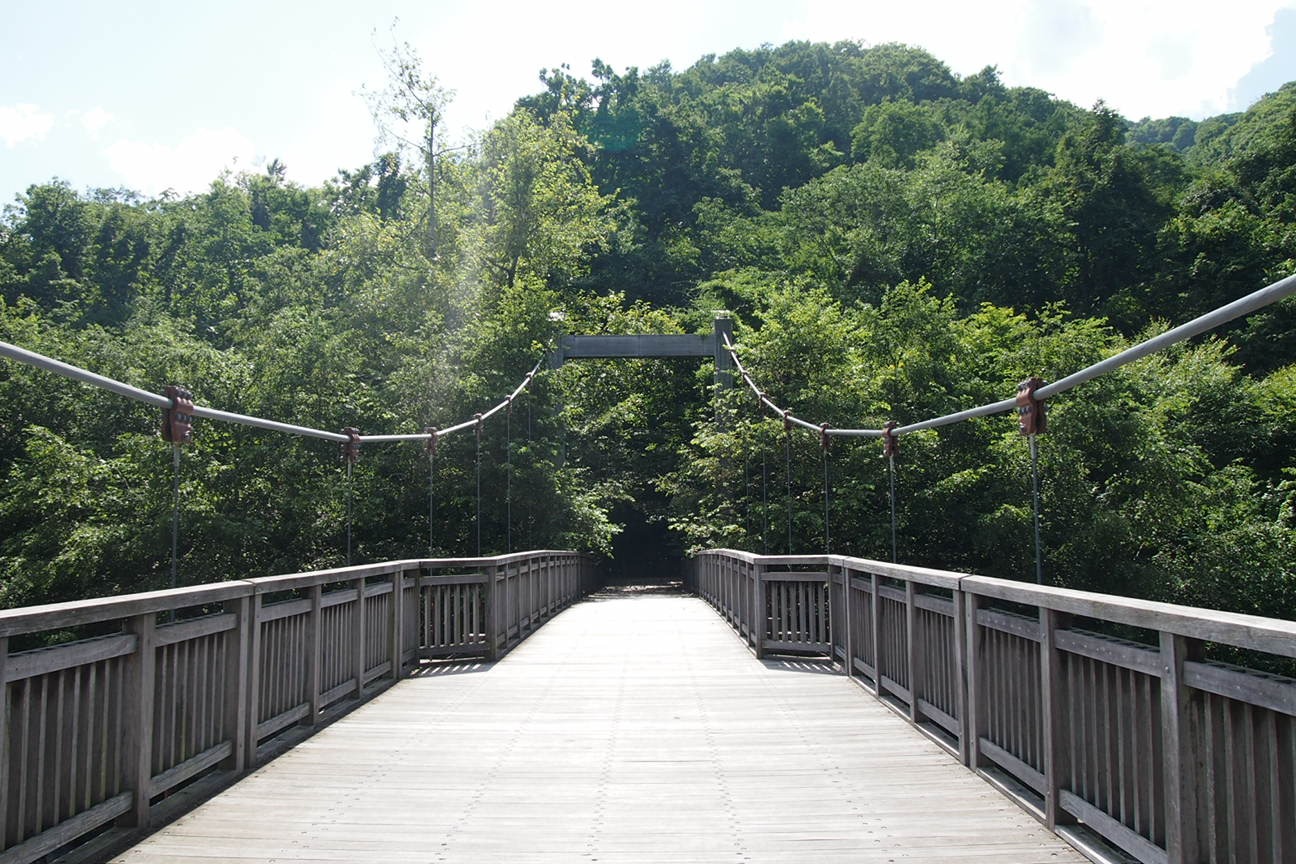
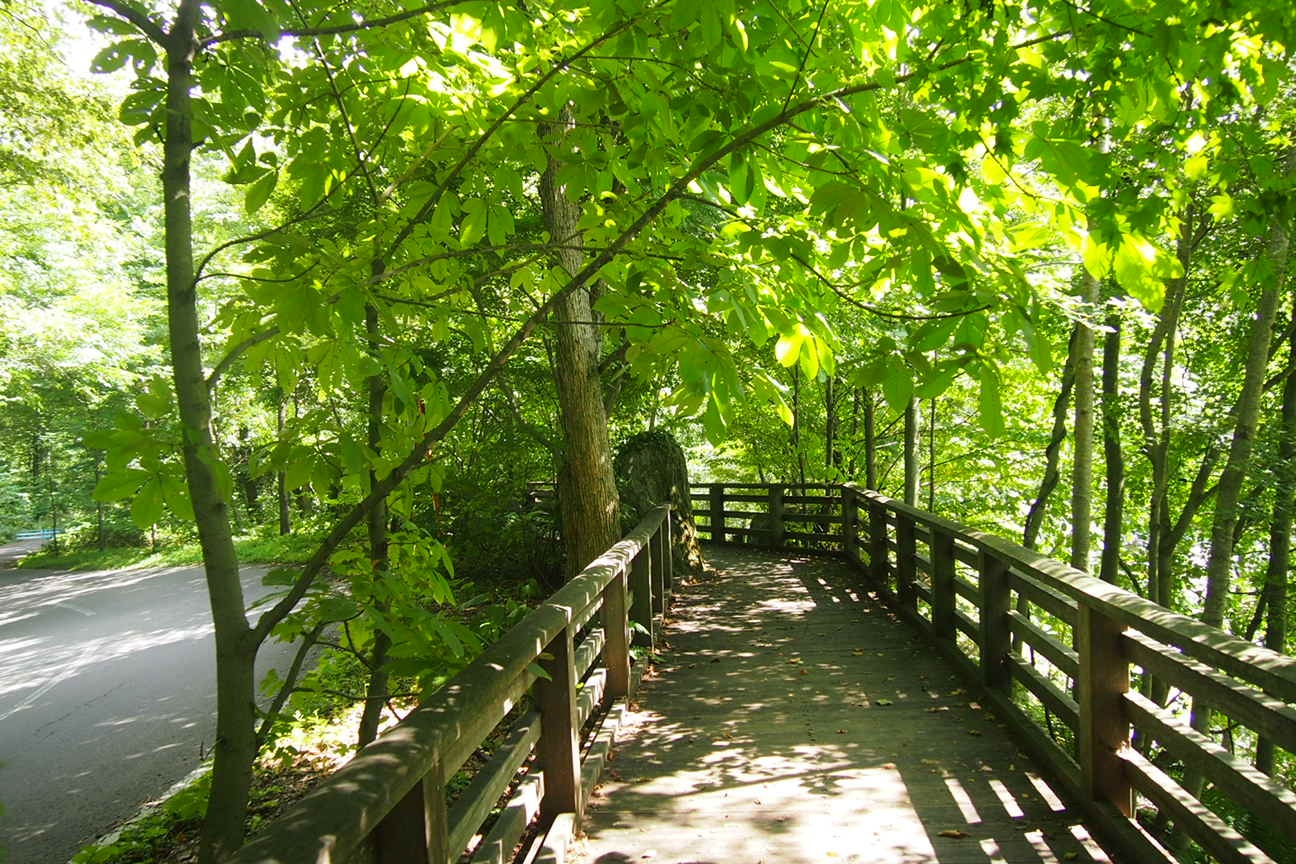
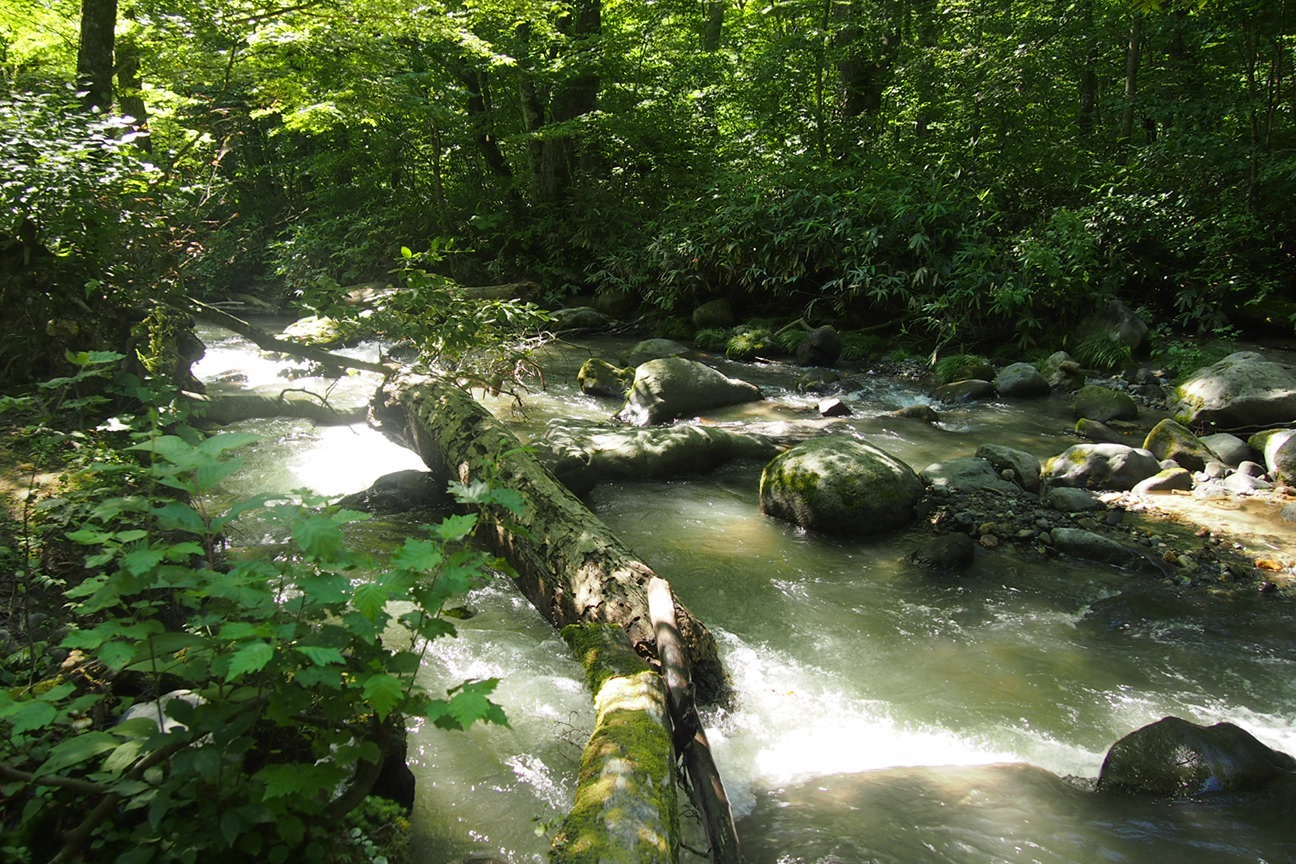
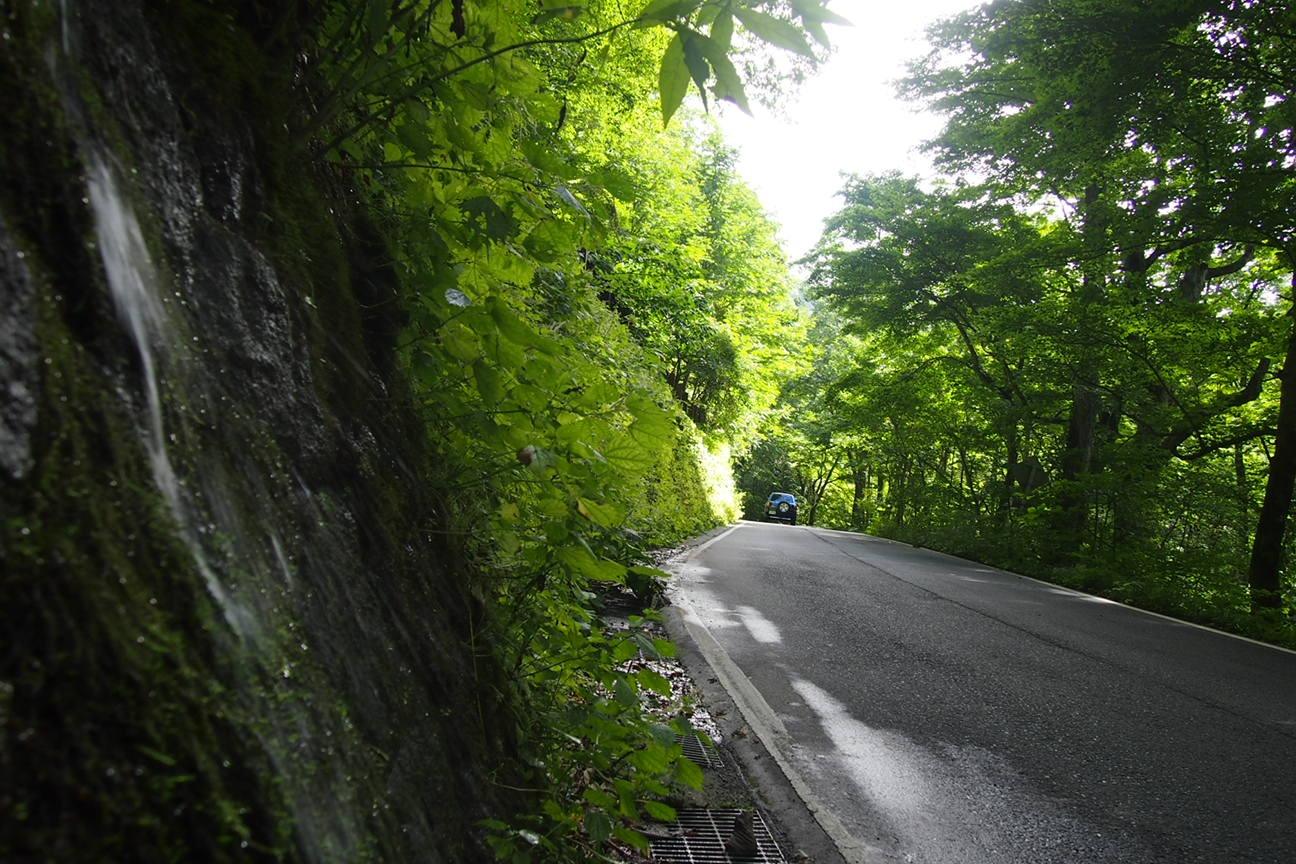
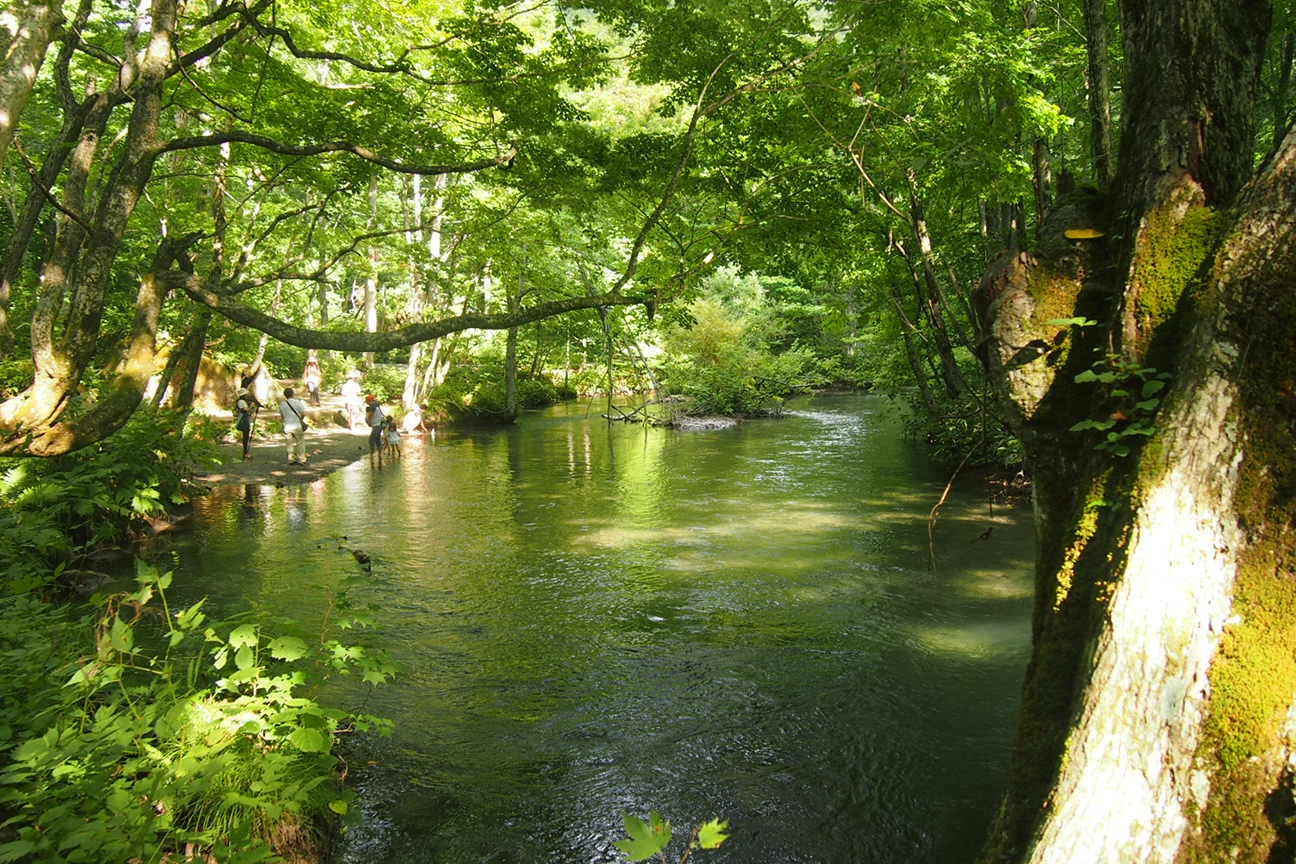
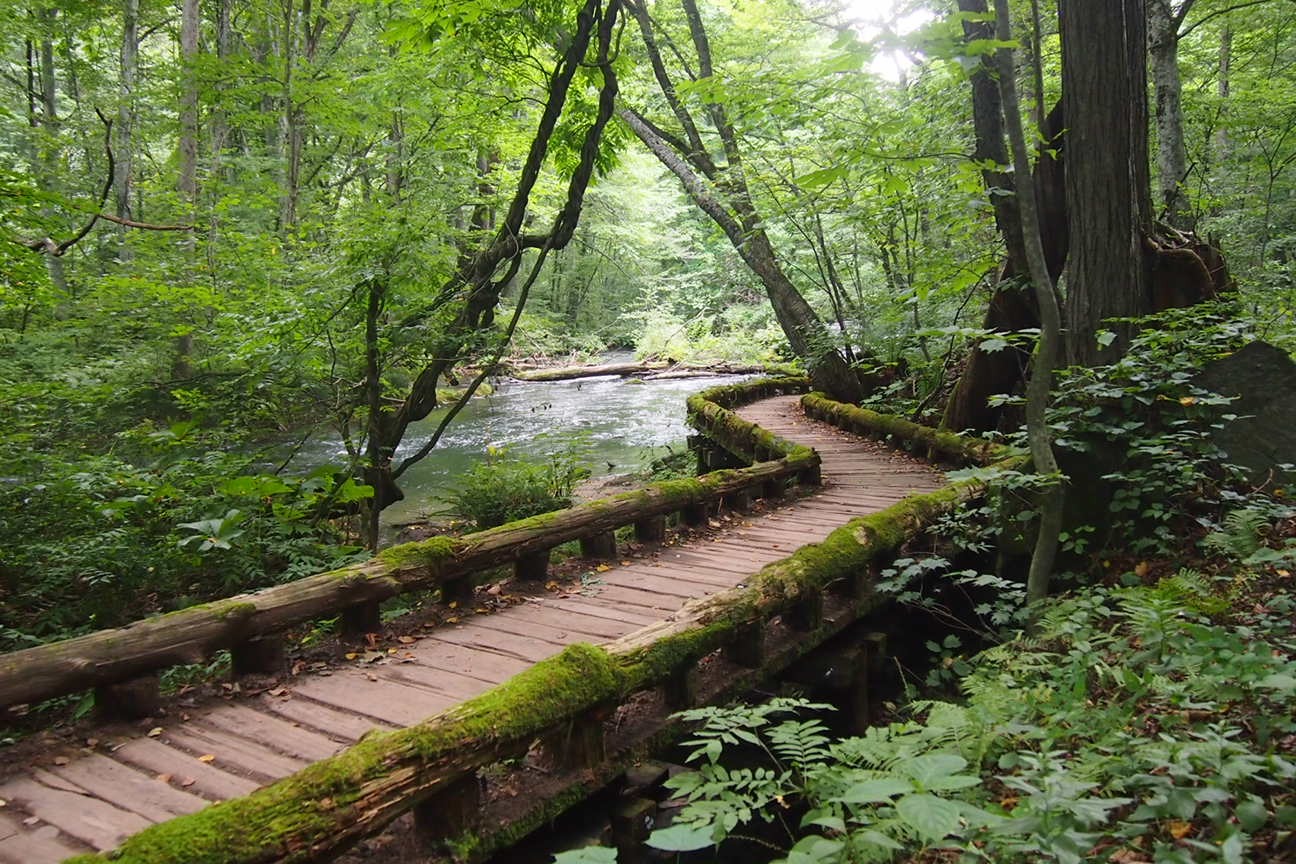
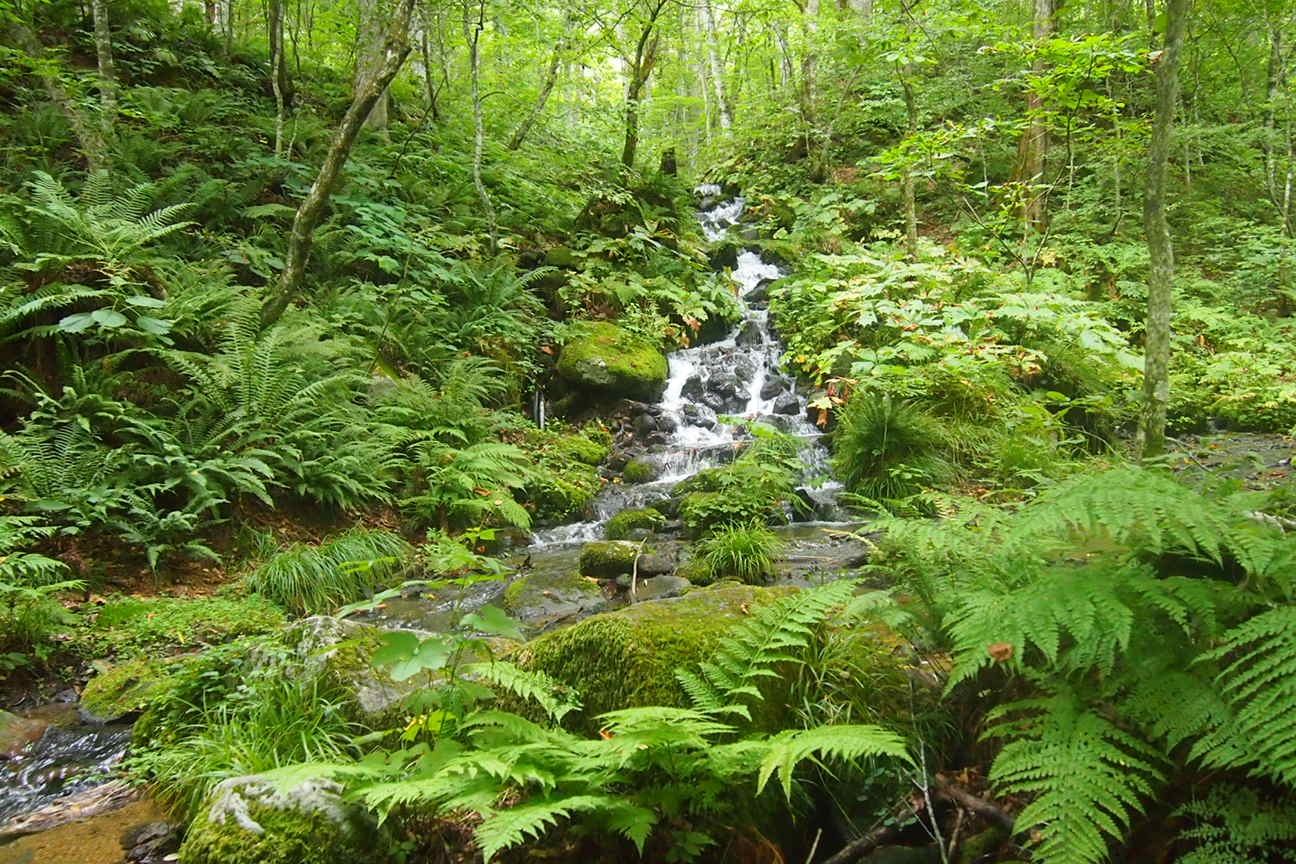
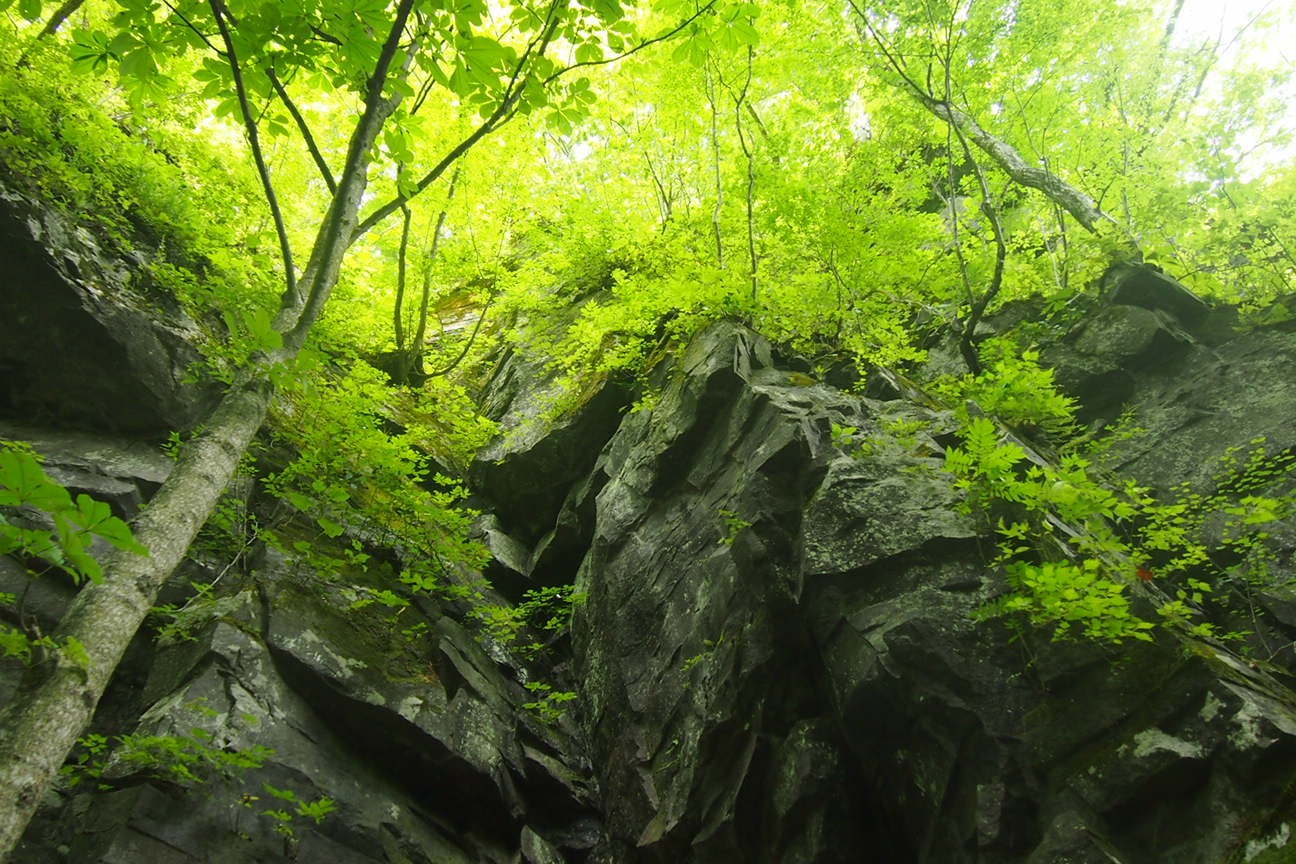
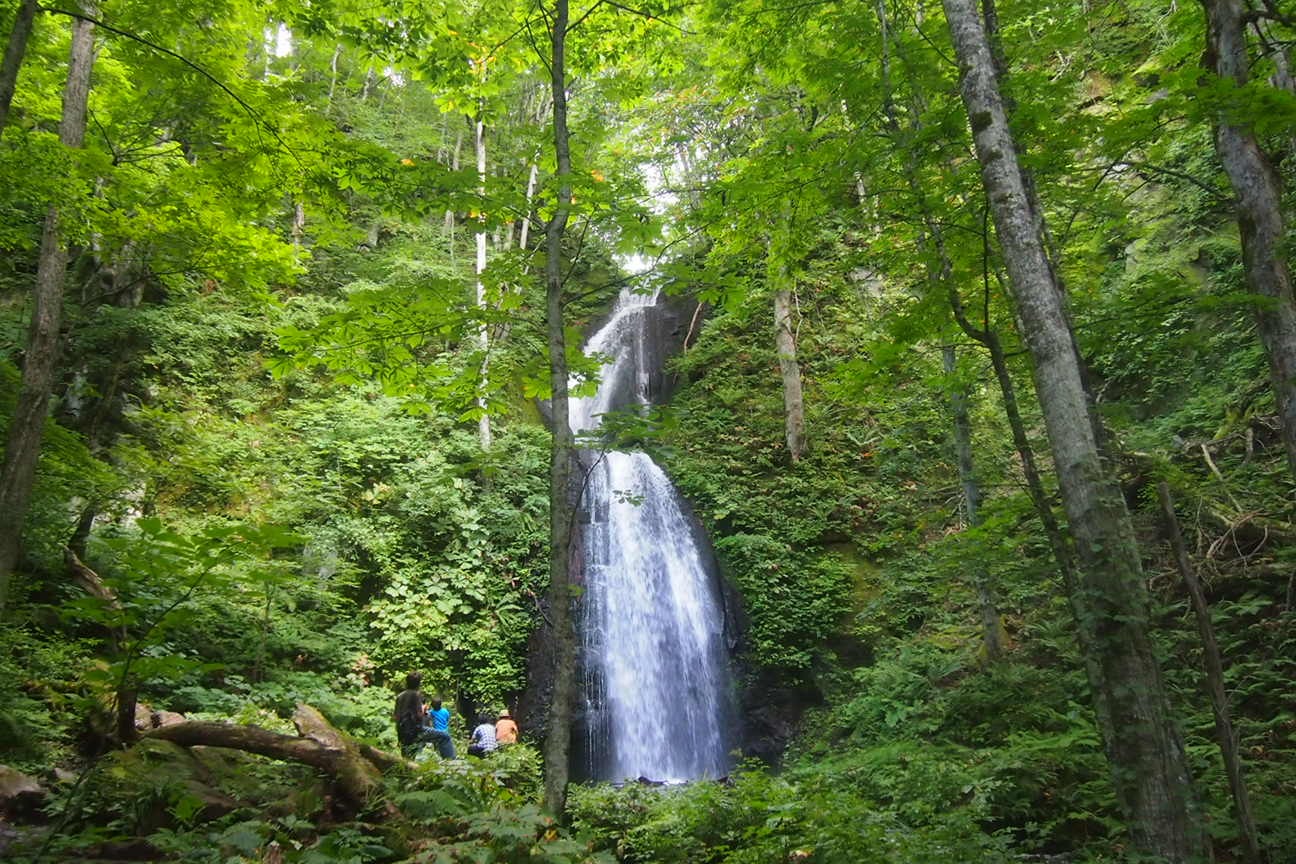
I got onto Route 102, which leads straight to the lake. Along the highway flows a river that's as hard to stop photographing as it is to quit smoking. In the sense of "just one more and that's definitely it." The road, river, and surrounding forest are intertwined and twisted into one whole. I'm riding on the left edge, but then I cross a little bridge and now the river is on the right. Sometimes this is confusing, and only the direction of the current keeps me oriented. Moss has claimed the little bridges, railings, everything that humans brought into this nature. In the forest along the edges are huge boulders that somehow ended up here, but trees sit on top of them too. Life oozes from the earth. Little streams, small waterfalls — I ride another ten meters and a big waterfall opens up behind a rock, then another, then another, until you get tired of it. These are the longest ten kilometers of the entire route.
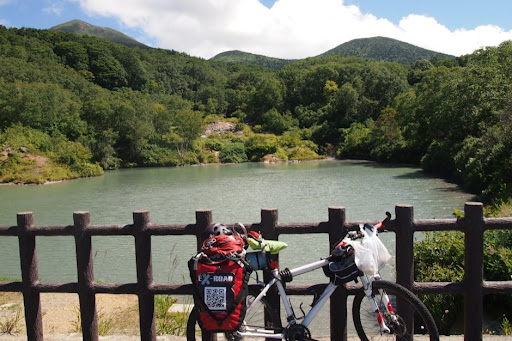
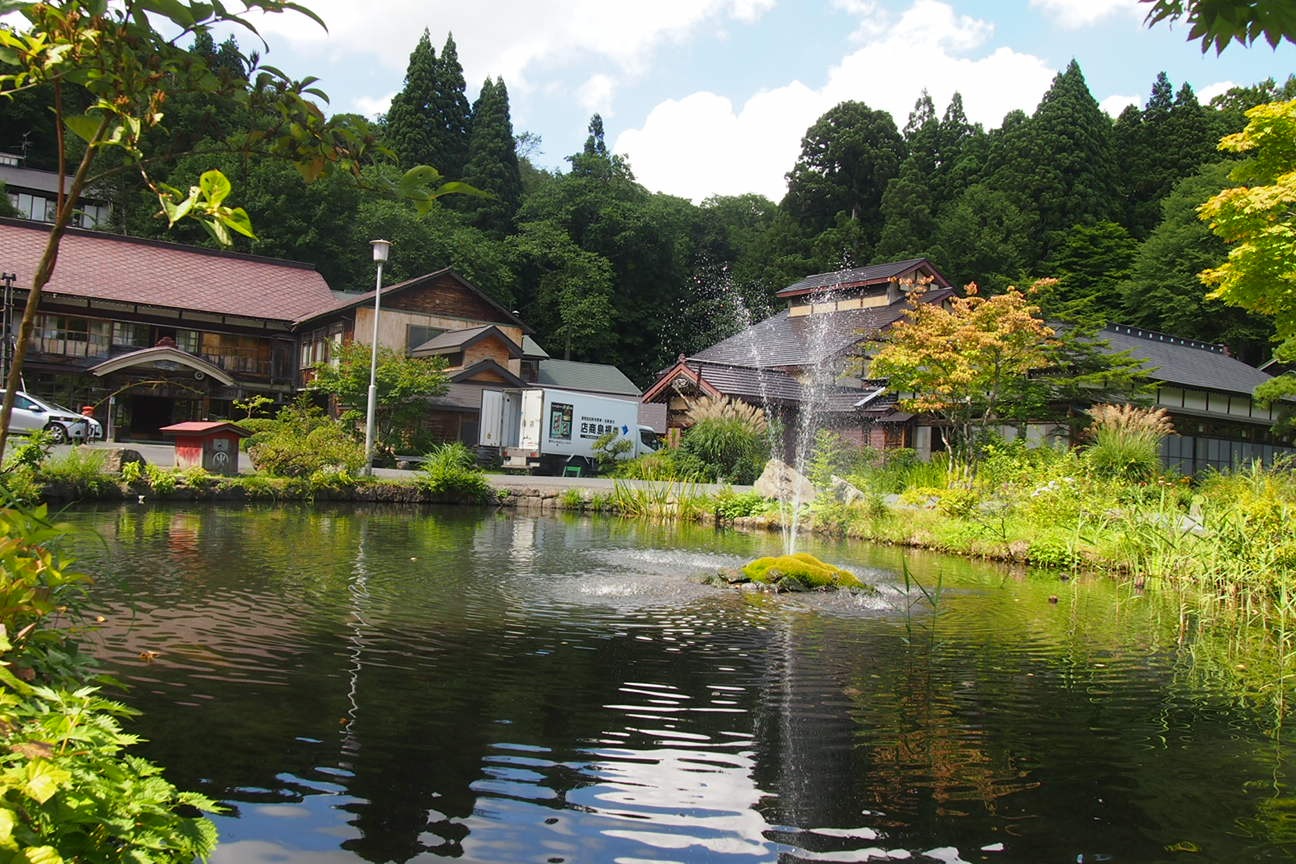
Training my quick reaction-photography skills while riding along the way, I reach the lake.
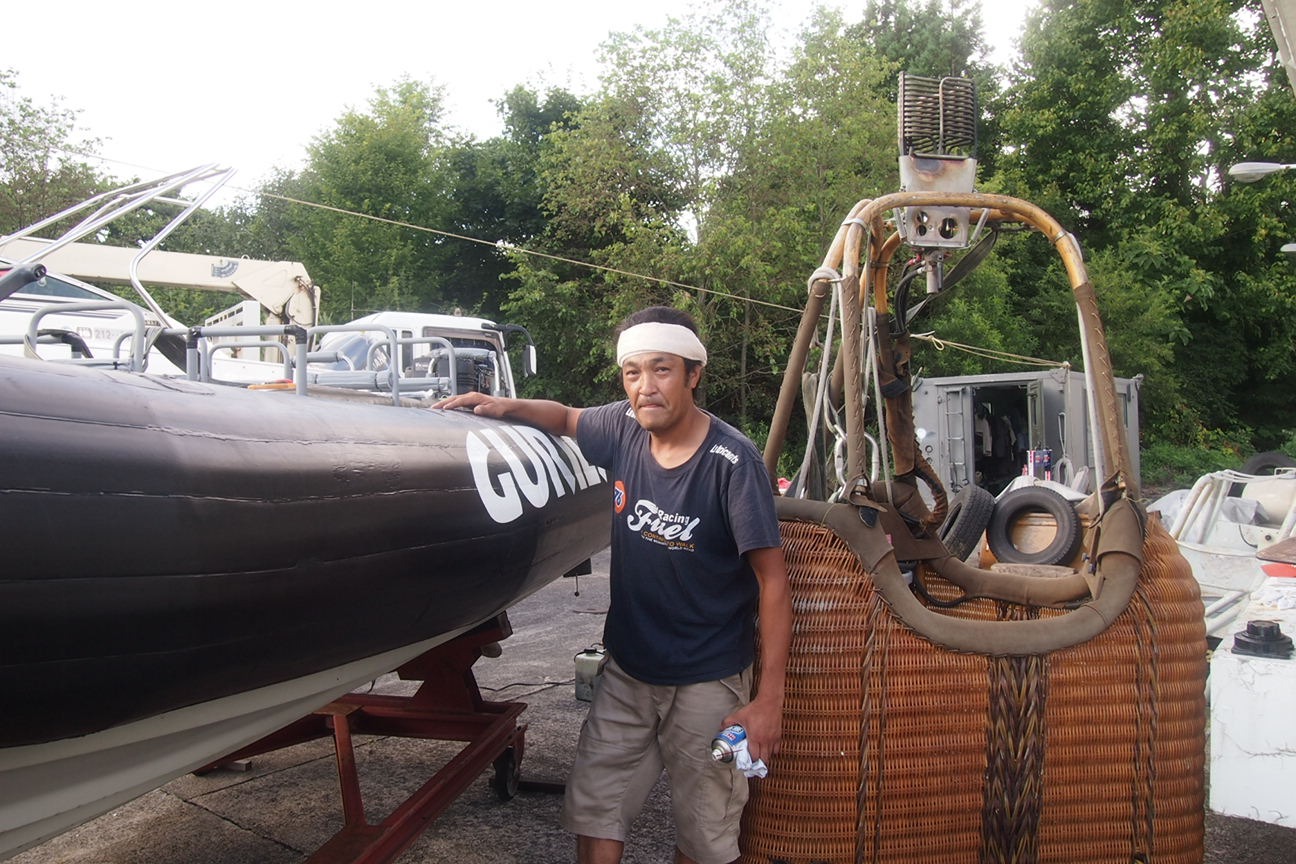
"We have sake, magical sake, no hangover in the morning." I had just stopped by to ask them to boil water over the campfire. American Mike invited me to drink with him. He's lived in Japan for six years now, already married to a Japanese woman. Works at the American military base Mikawa. We each took a glass of sake — it really was magical and smooth. "I only know one American base..." "On Okinawa." "Yeah." "We have several. All the videos and photos taken during the Fukushima accident were made by our base."
The base has both US air and naval units, they work together with the Japanese. In Sapporo I asked my friend Taro how Japanese people feel about having American troops in their country. He answered me philosophically: "Well, there's nothing you can do about it. After World War II, the Japanese were considered the 'bad guys' in that war, like all the losers." Then he added, "Now the American bases provide a lot of jobs for local Japanese, so none of them want the bases removed."
Mike told me about his job. When new soldiers arrive at the base, they don't know anything about the local culture, food, and entertainment, so they just work, eat hamburgers, and drink in the evenings. Mike's job is to organize activities and trips outside the base to help them assimilate. "They just work and drink in the evenings, work and drink. Yesterday was my day off, but I volunteered to take one guy kayaking. You absolutely have to call me when you're on Kyushu. Do you like surfing?" "Mike, your base participated in the cleanup and evacuation at Fukushima — what's it like there now? Is it safe?" He hesitated, we looked at the map. "Up to Sendai is definitely safe. If you stick to the highway, you'll be OK." "They won't let me on the highway with a bike." "Oh right, right. Listen, I need to think about it..."
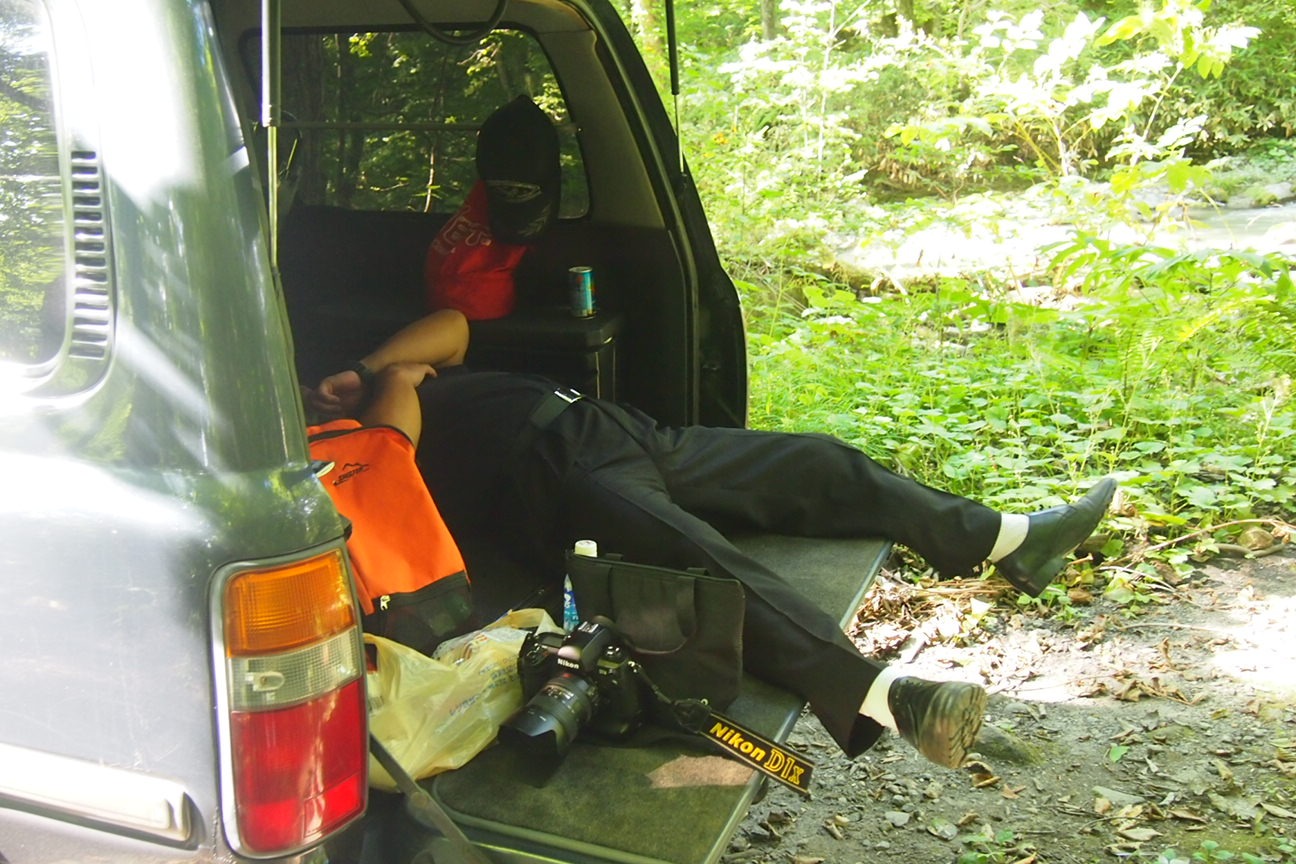
Meanwhile, the water had already heated up. We exchanged business cards and I went to eat. In the morning I wanted to take a photo with him, but at nine in the morning, the magical sake still wanted him to sleep.