Toya and Toyako — last days in Hokkaido
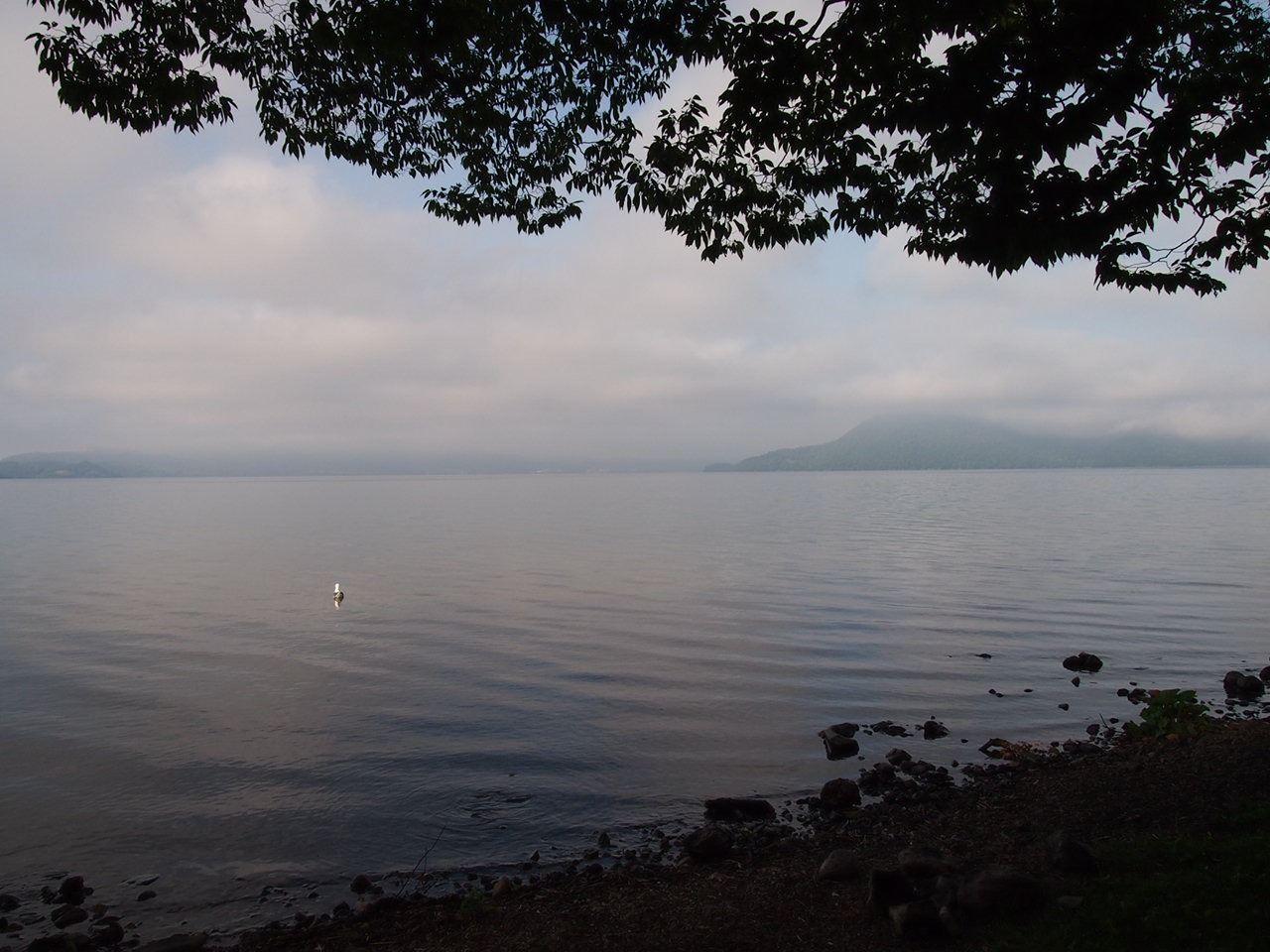
AI TranslationIn the morning I realized it was time to quit this whole cycling thing. I can't just ride around aimlessly like this. Almost a month has passed, and I still haven't been in a Japanese commercial. Melancholy hit me first thing in the morning. I got up at five, as usual. Opened the tent entrance and saw a lake, the third one in the last three days. A seagull is swimming in the water right in front of me. What's it doing on a lake? I have breakfast with two bananas and a can of cold coffee with milk for 120 yen. There's so little in the can, especially today — today all I want is to eat something sweet and sleep. After the second can of coffee I fell asleep and opened my eyes at ten.
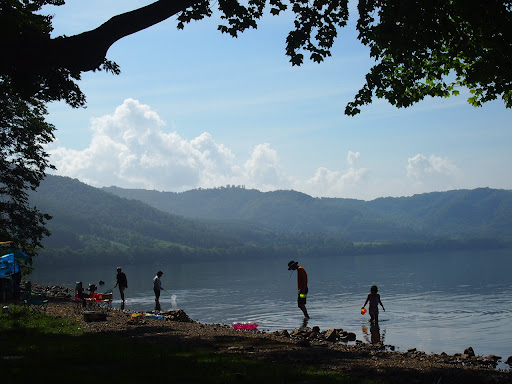
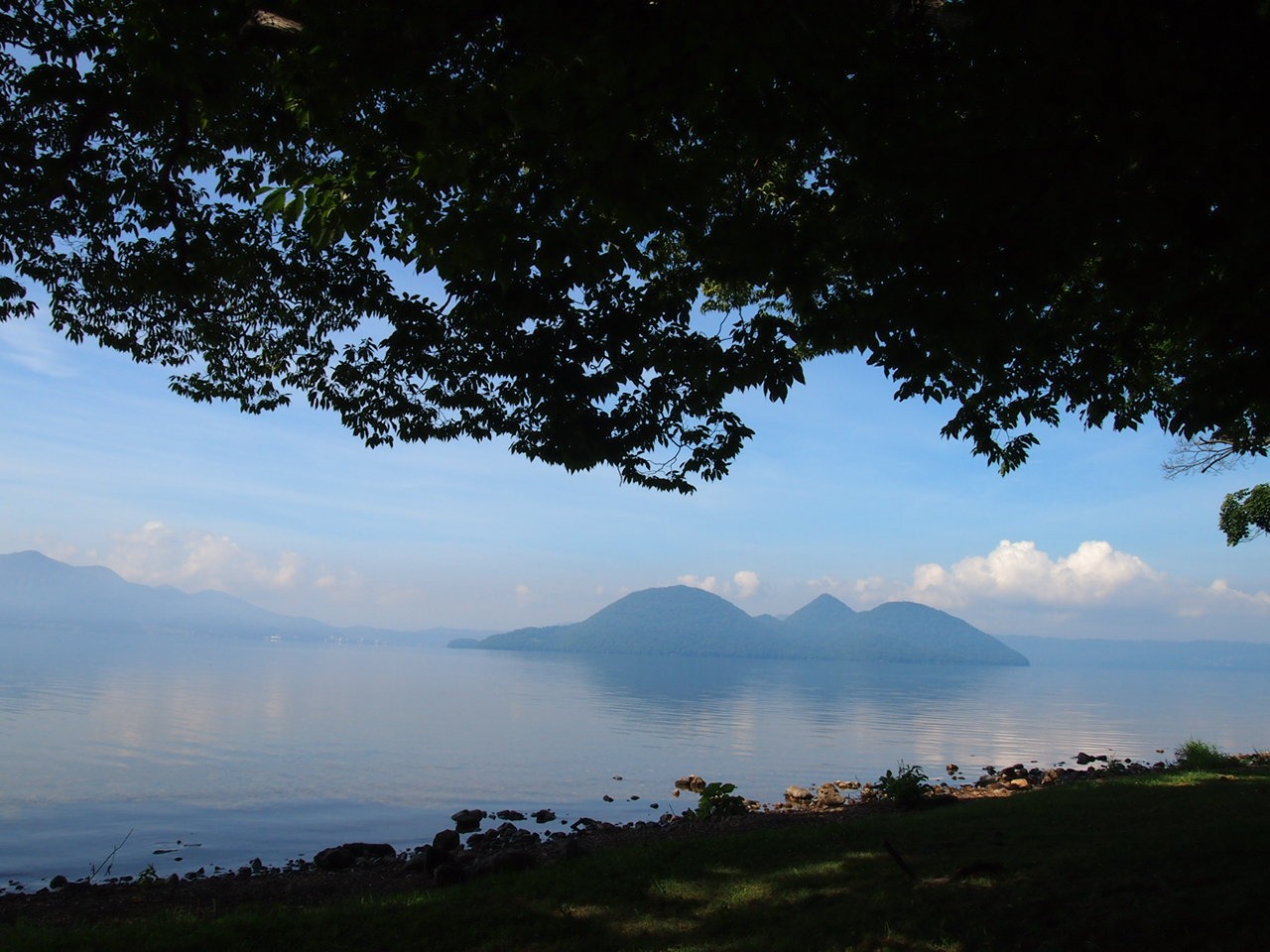
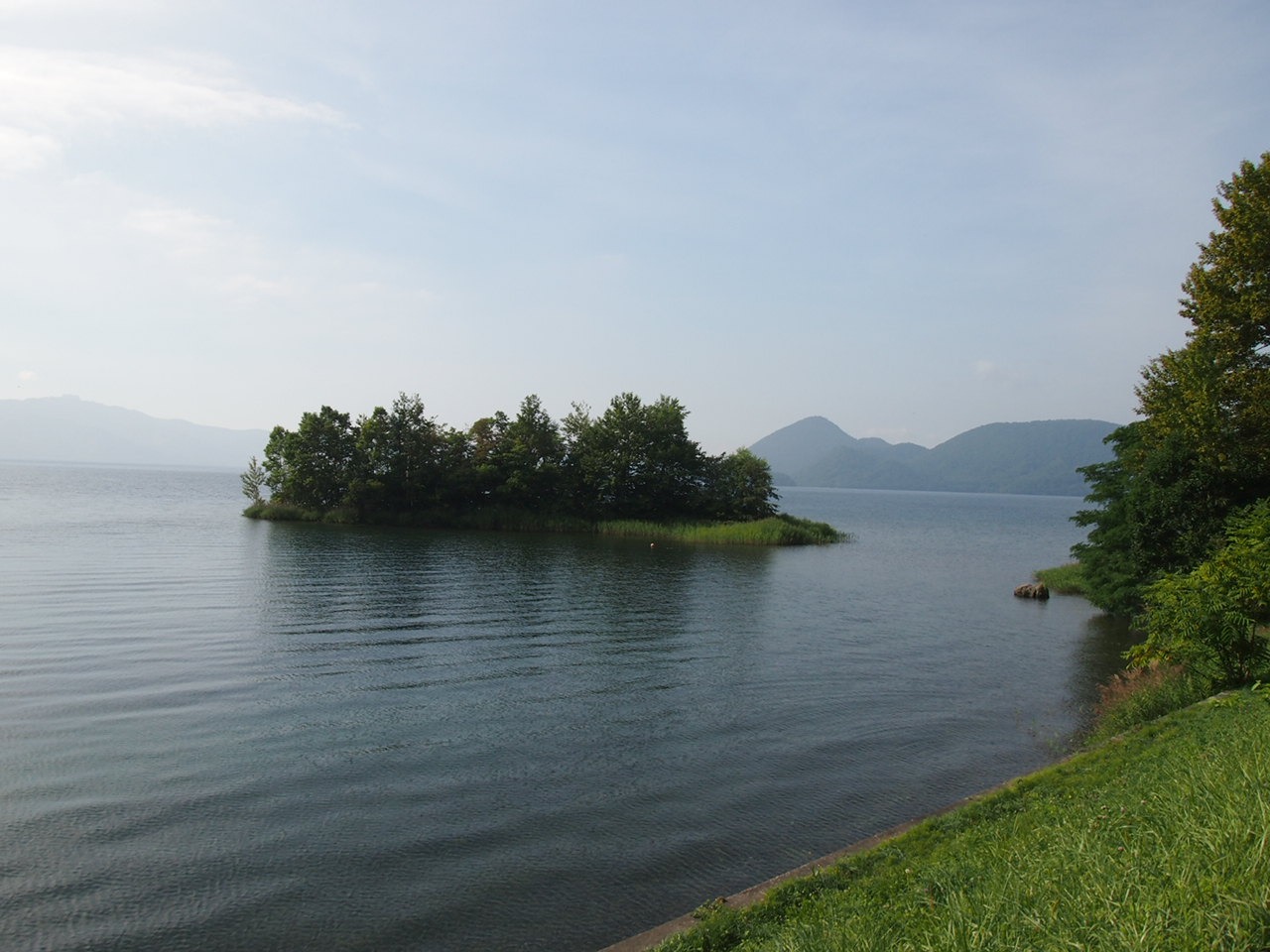
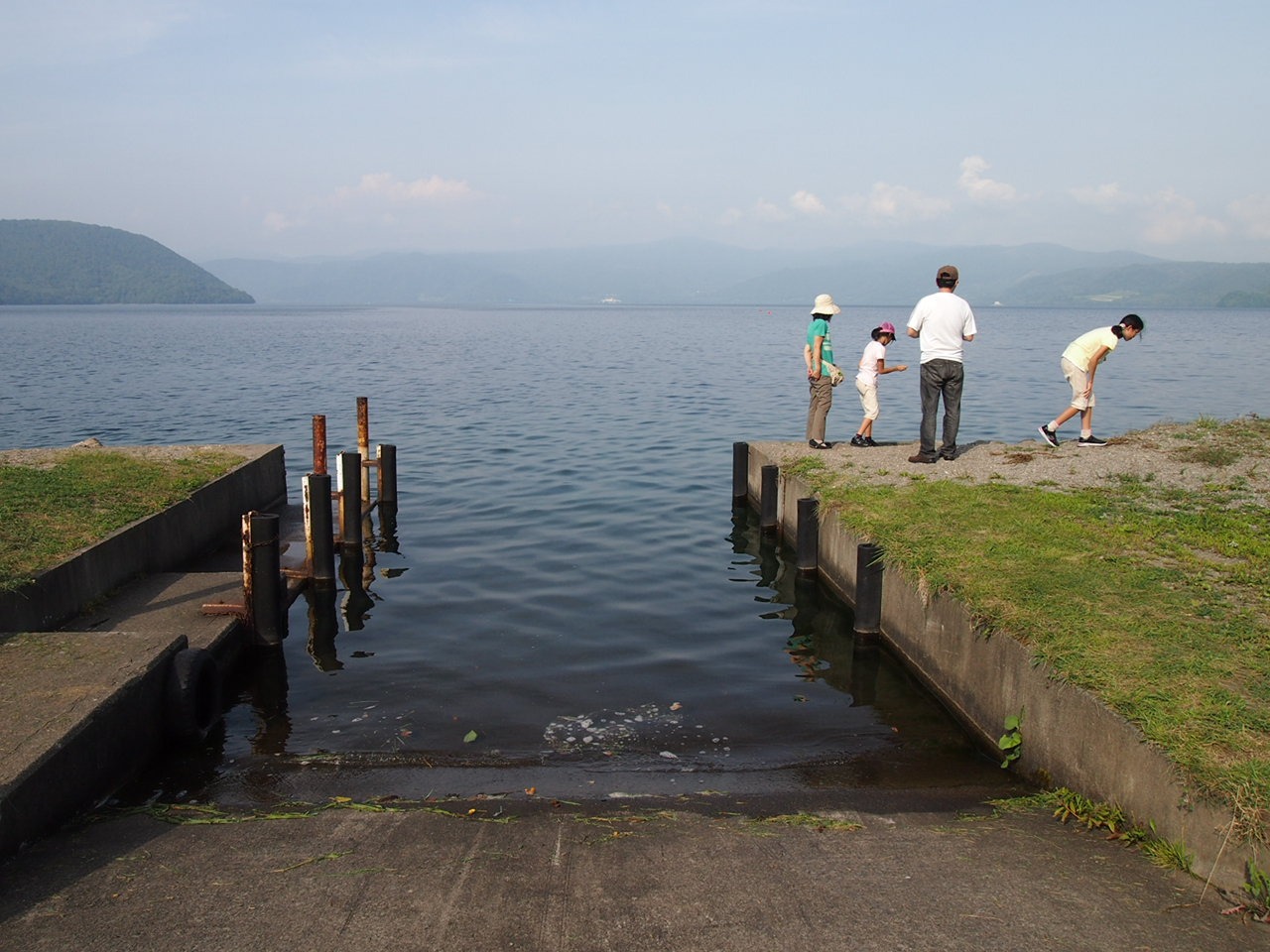
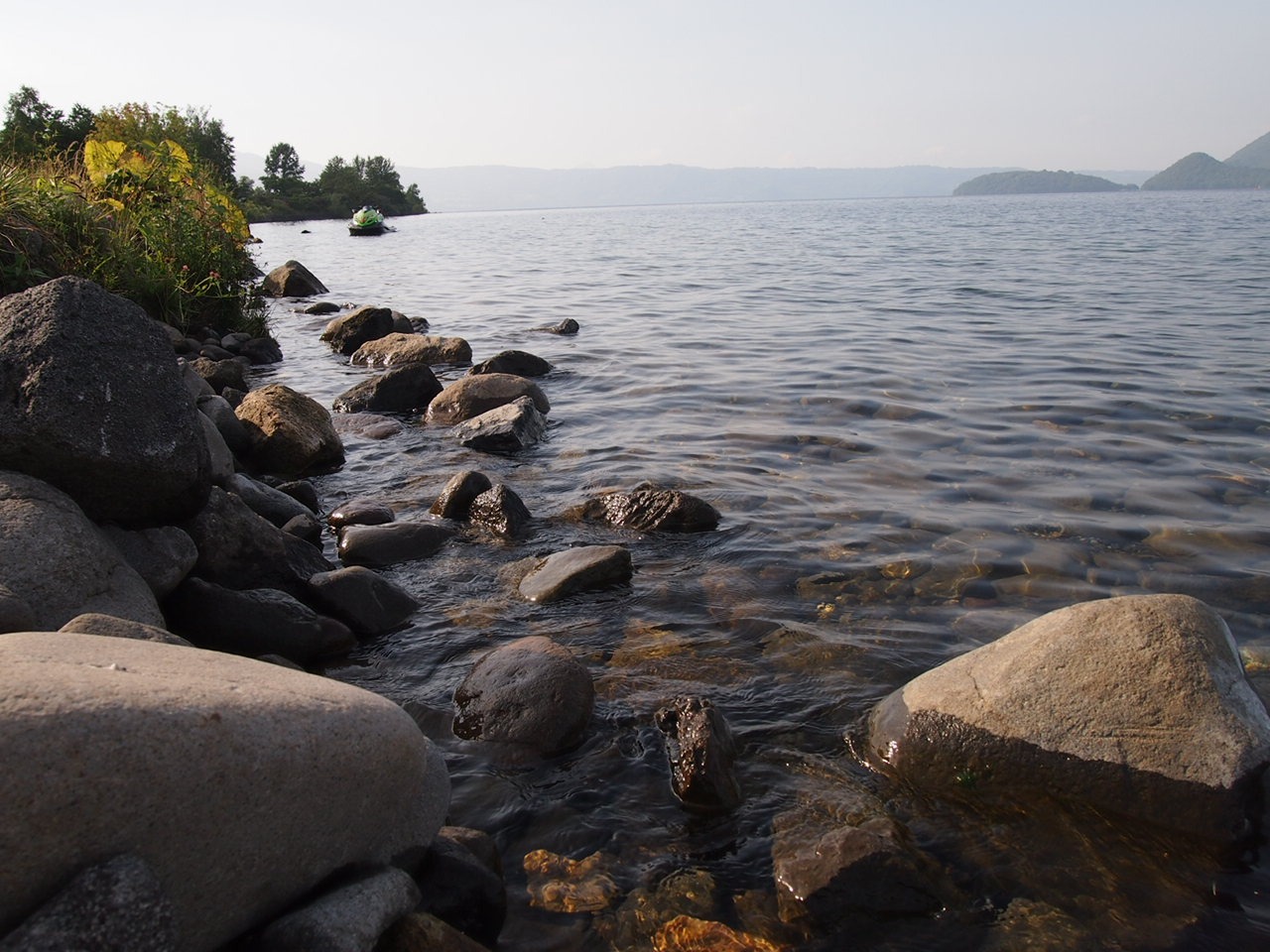
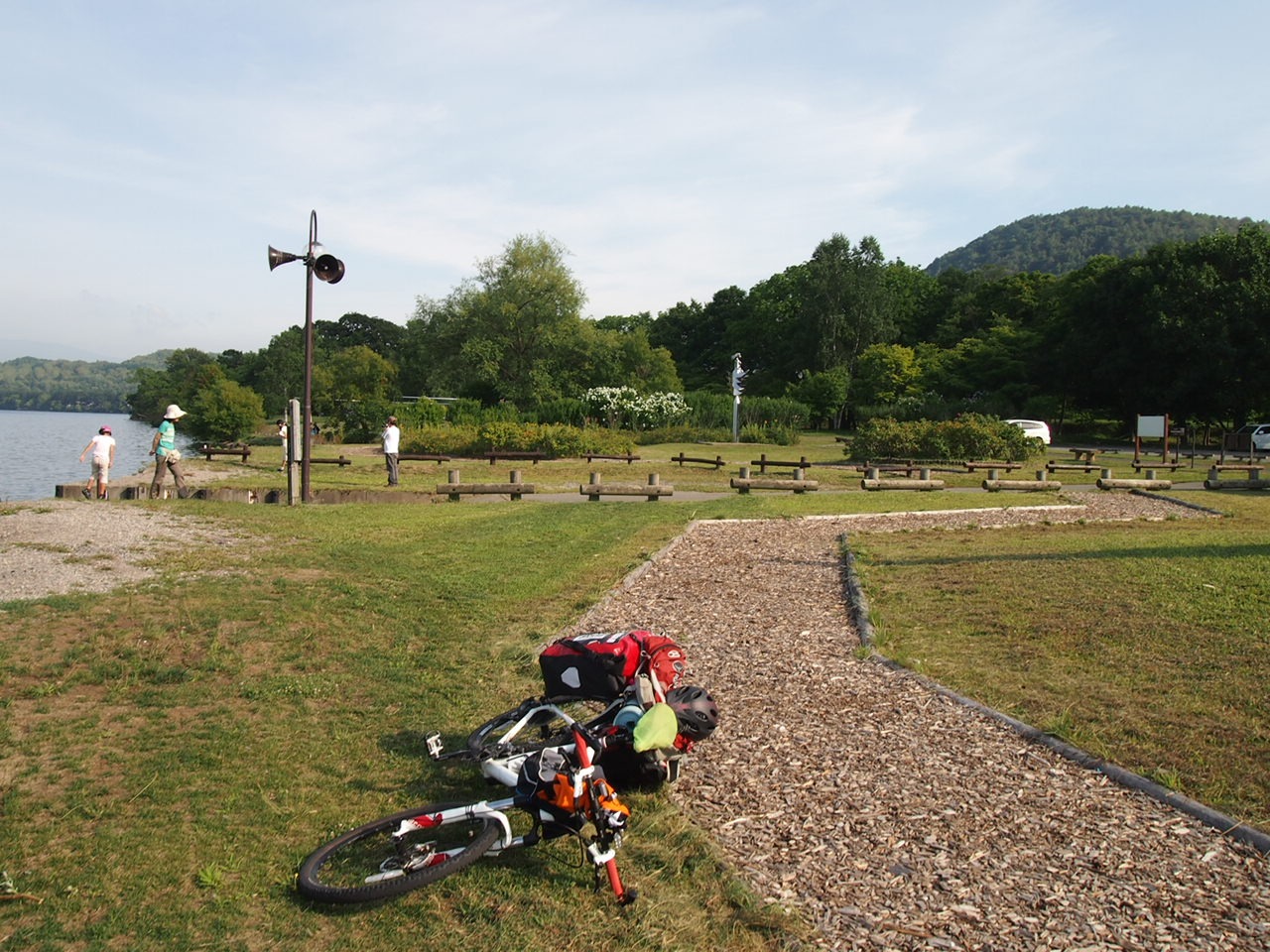
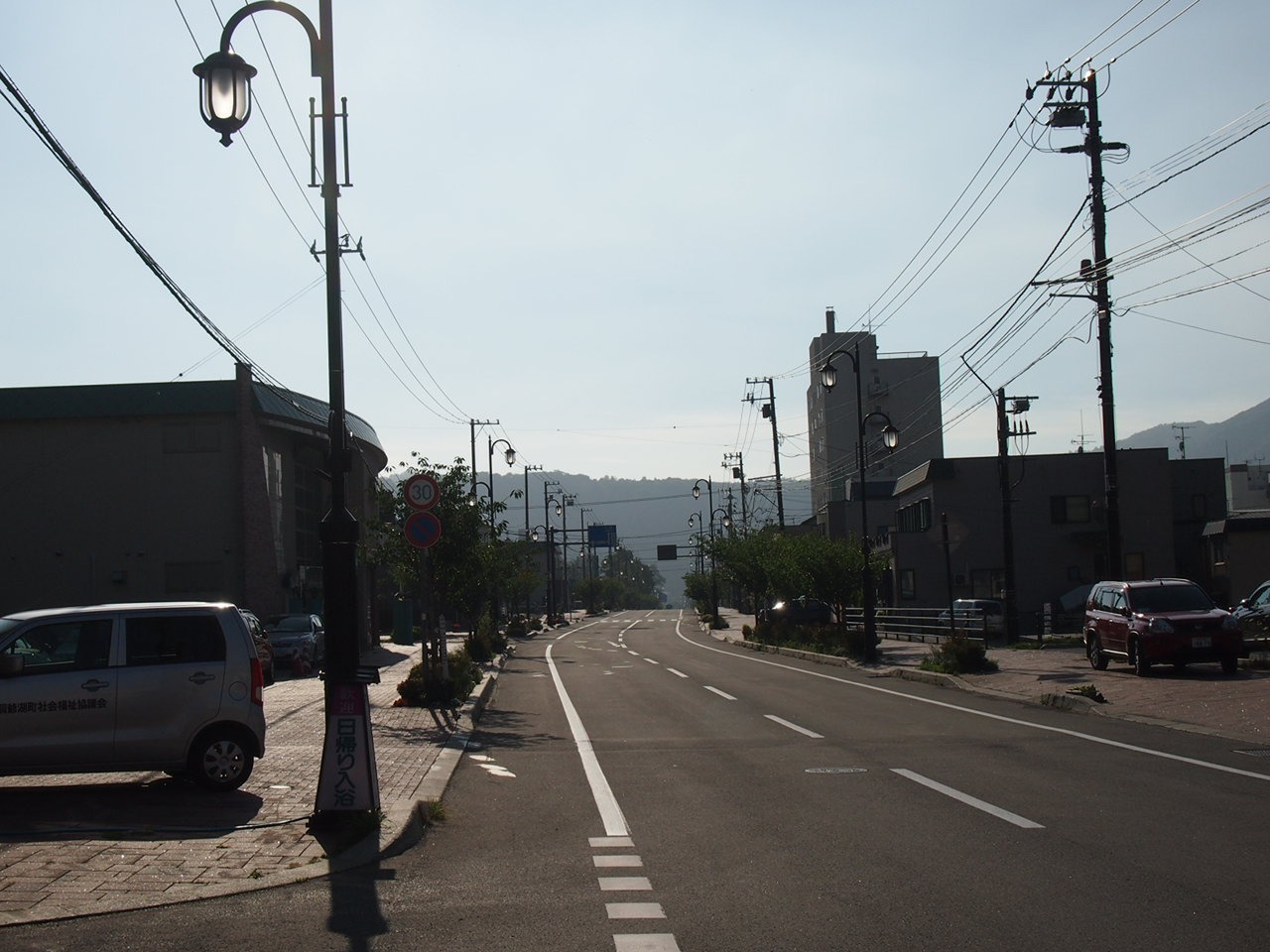
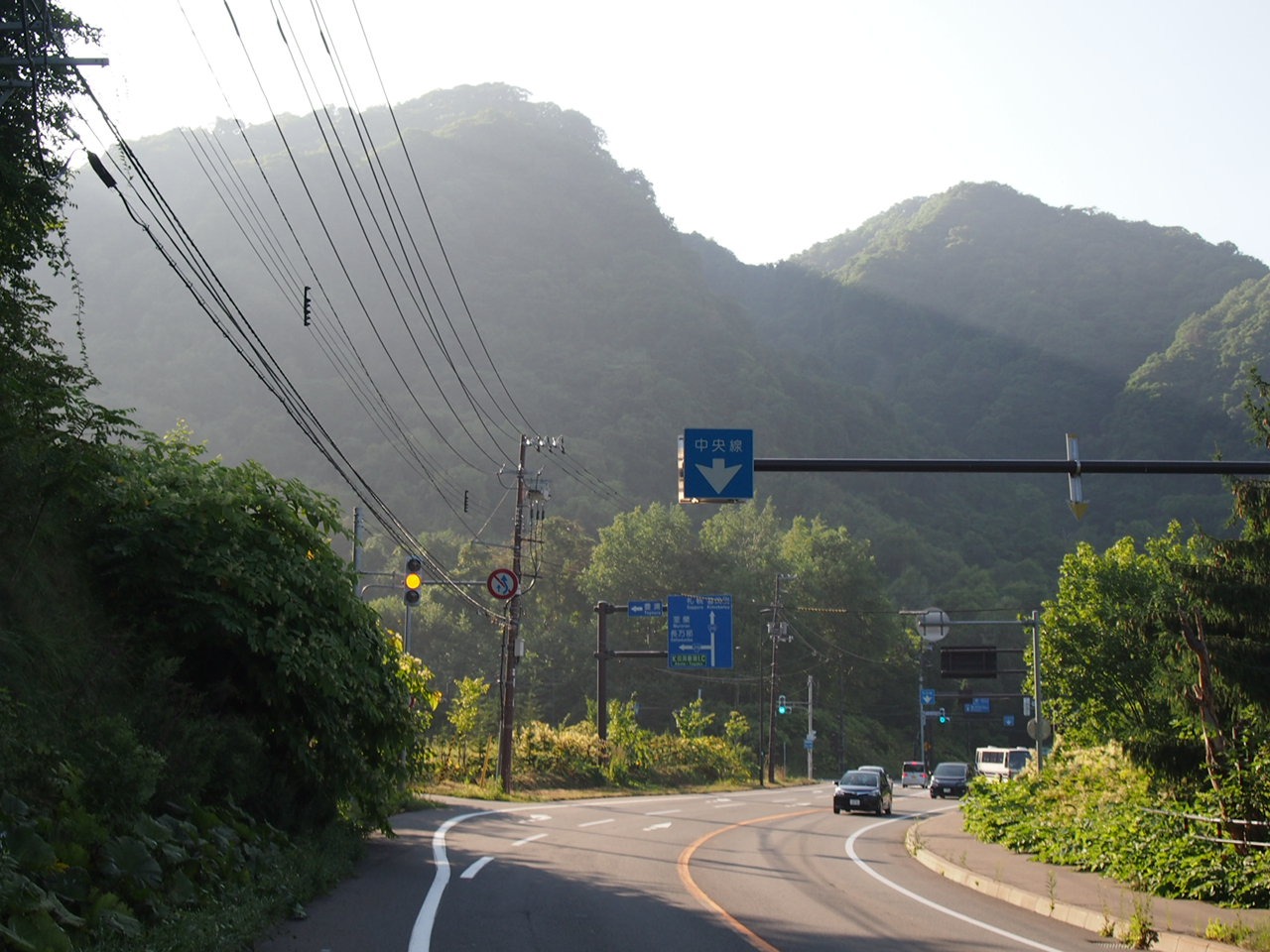
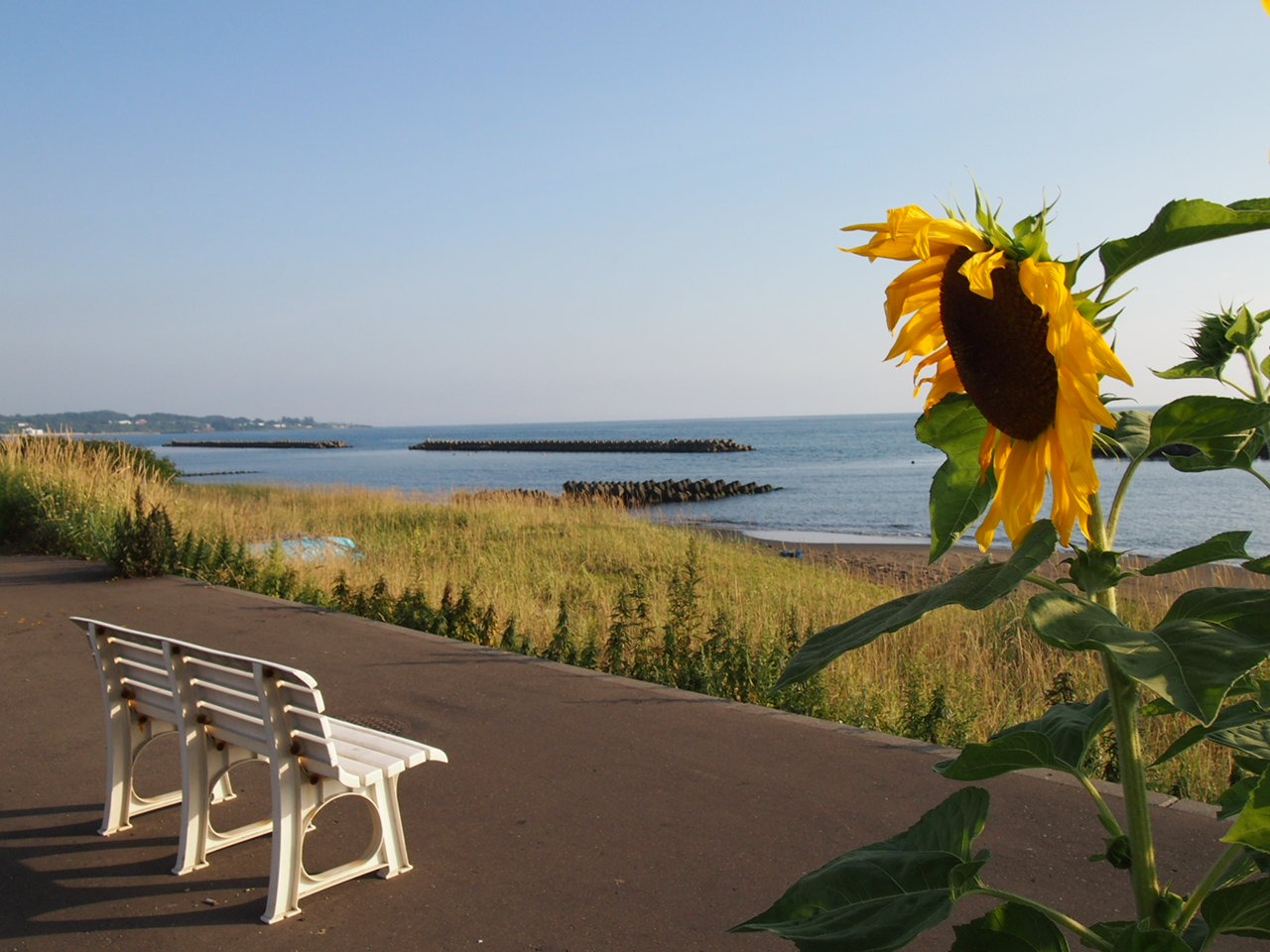
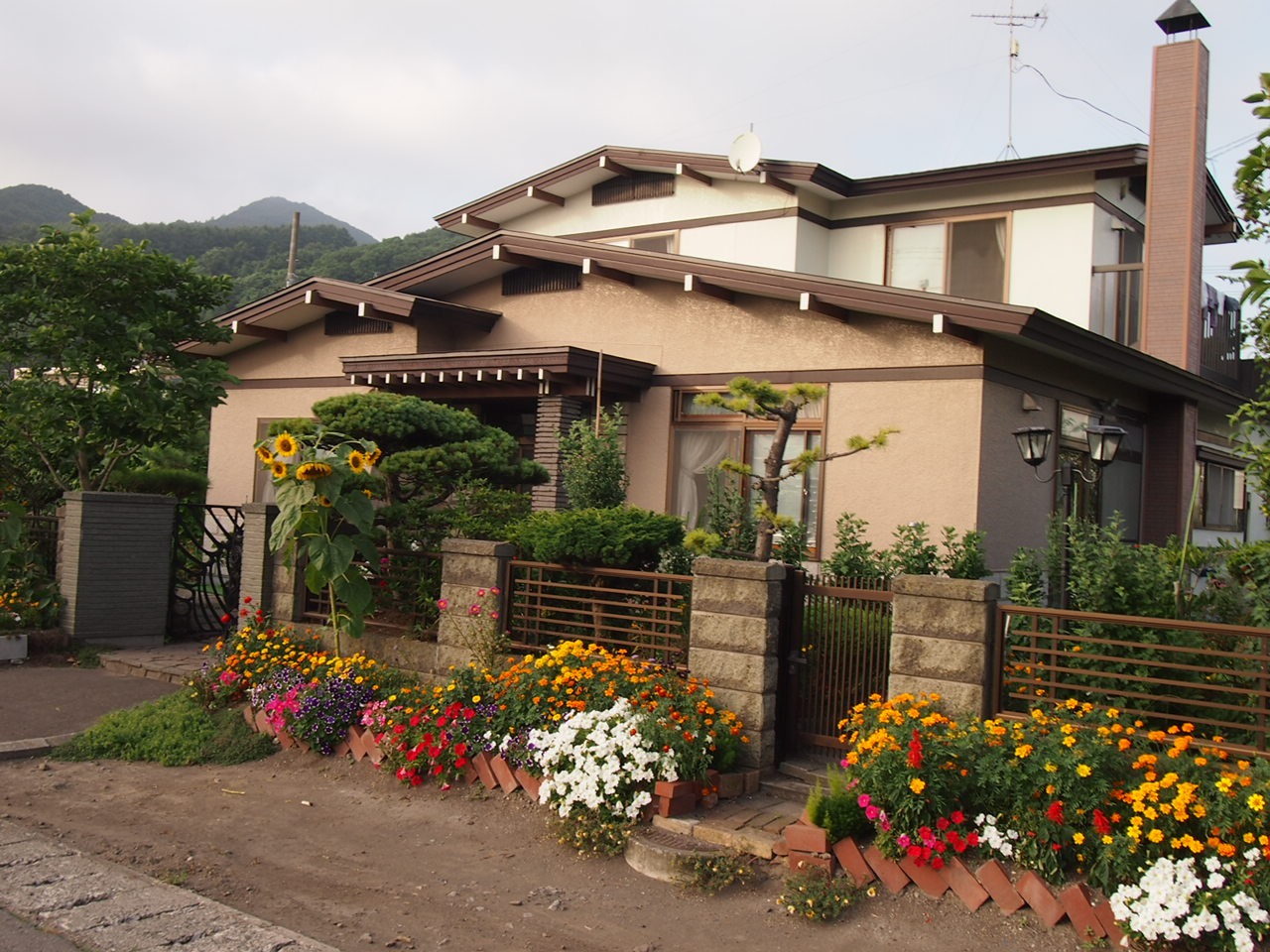
The entire area along Lake Toya is developed. Campgrounds here, a pier with a boat or a park there. I roll along the shore for almost fifteen kilometers, just observing. A tour bus stopped by the roadside. A group of tourists are taking turns taking identical photos by the lake. Further on, the road leads to the city of Toya. There's Lake Toya, but lake in Japanese is "ko," so the lake is called Toyako, and the city is Toya. In 2000, there was an earthquake here that created new craters and destroyed houses. I started trying to find out where this place was.
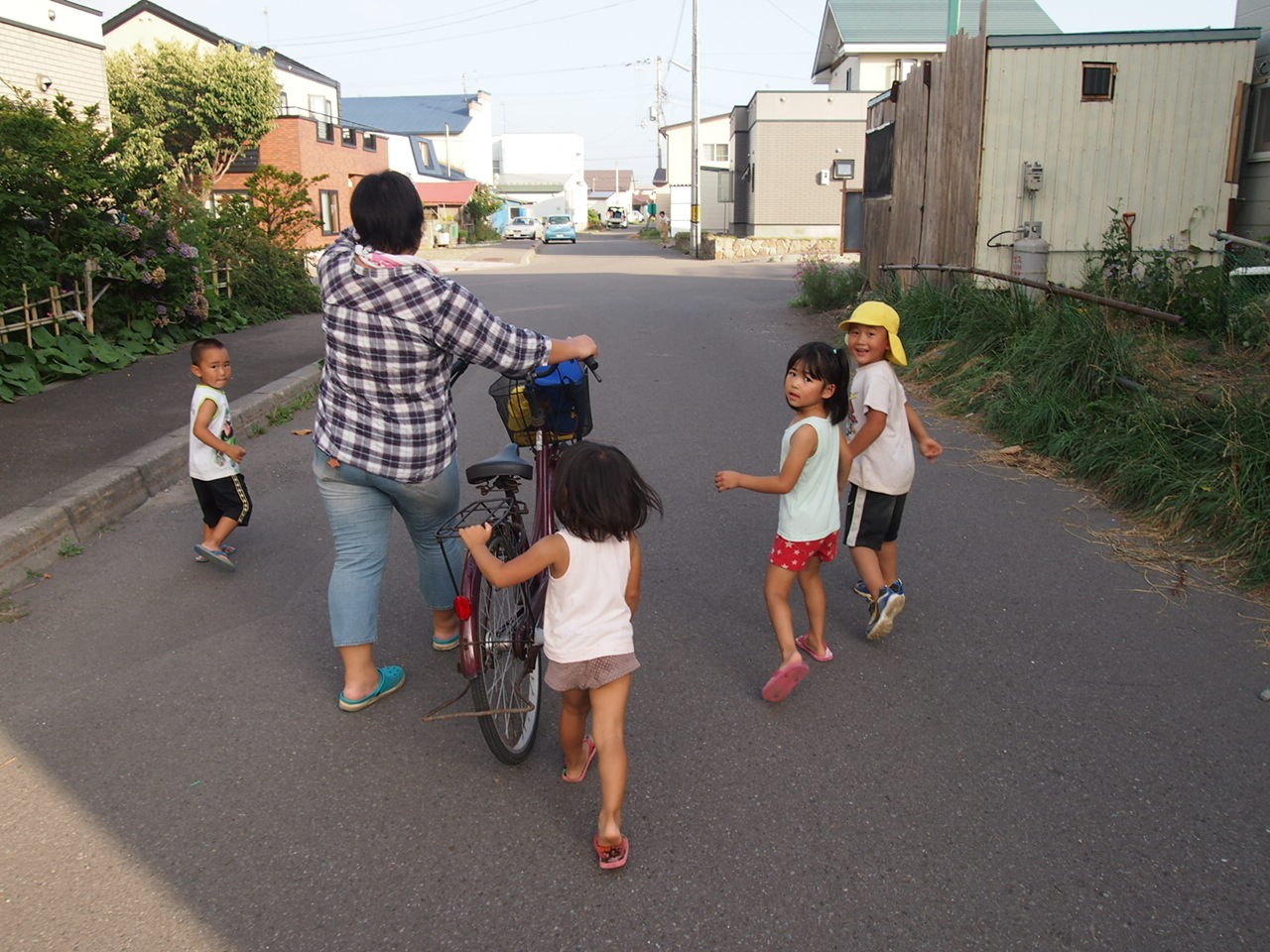
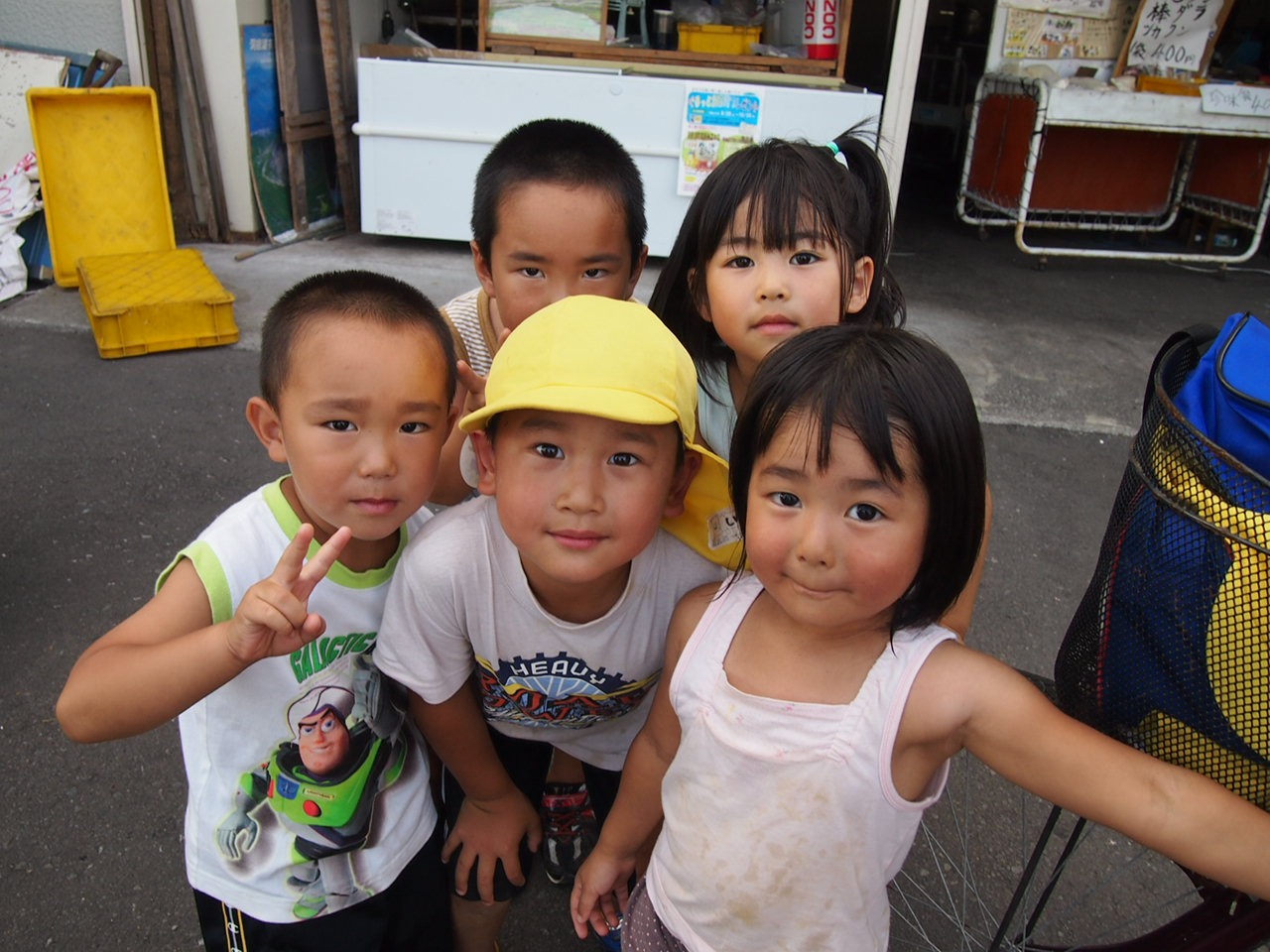
"Earthquake," I say, gesturing the catastrophe with my hands. I wanted to translate it in Google Translator, but there's no internet signal. A woman on a bicycle with a group of children tries to understand what I mean. "Fukushima?" "No, in 2000, here."
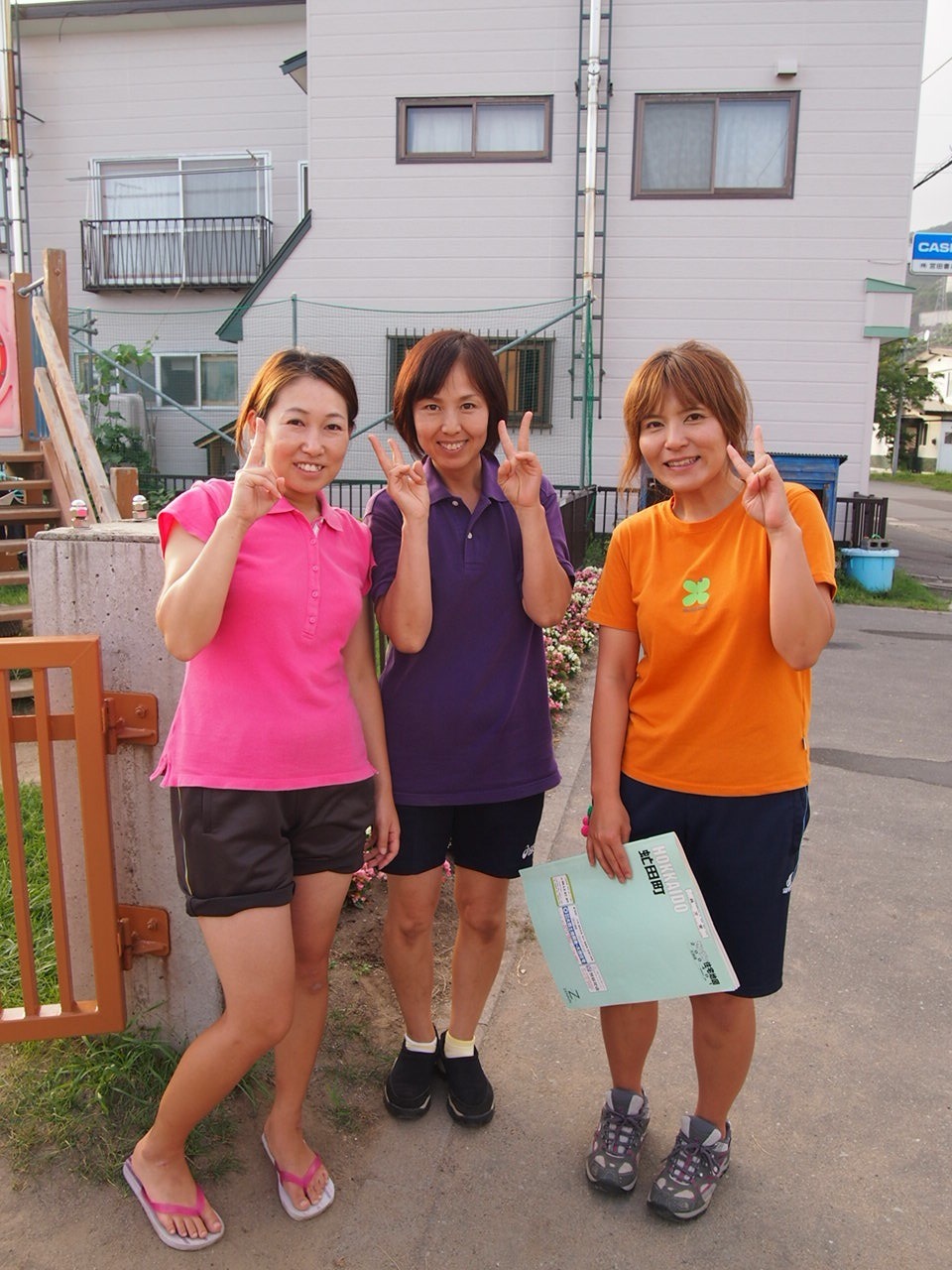
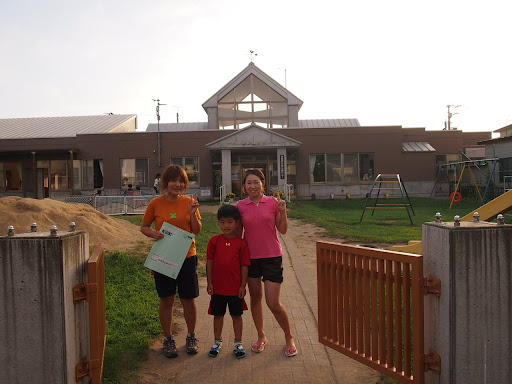
She called someone on the phone and asked if they knew English, then two more people. Finally she gestured for me to follow her, and we came to a kindergarten. There, one of the parents who happened to be picking up their child at that time had a friend who spoke the foreign language. He called him and they explained everything to me. Turns out during the volcanic eruption at this spot in 2000, new craters formed and houses were destroyed.
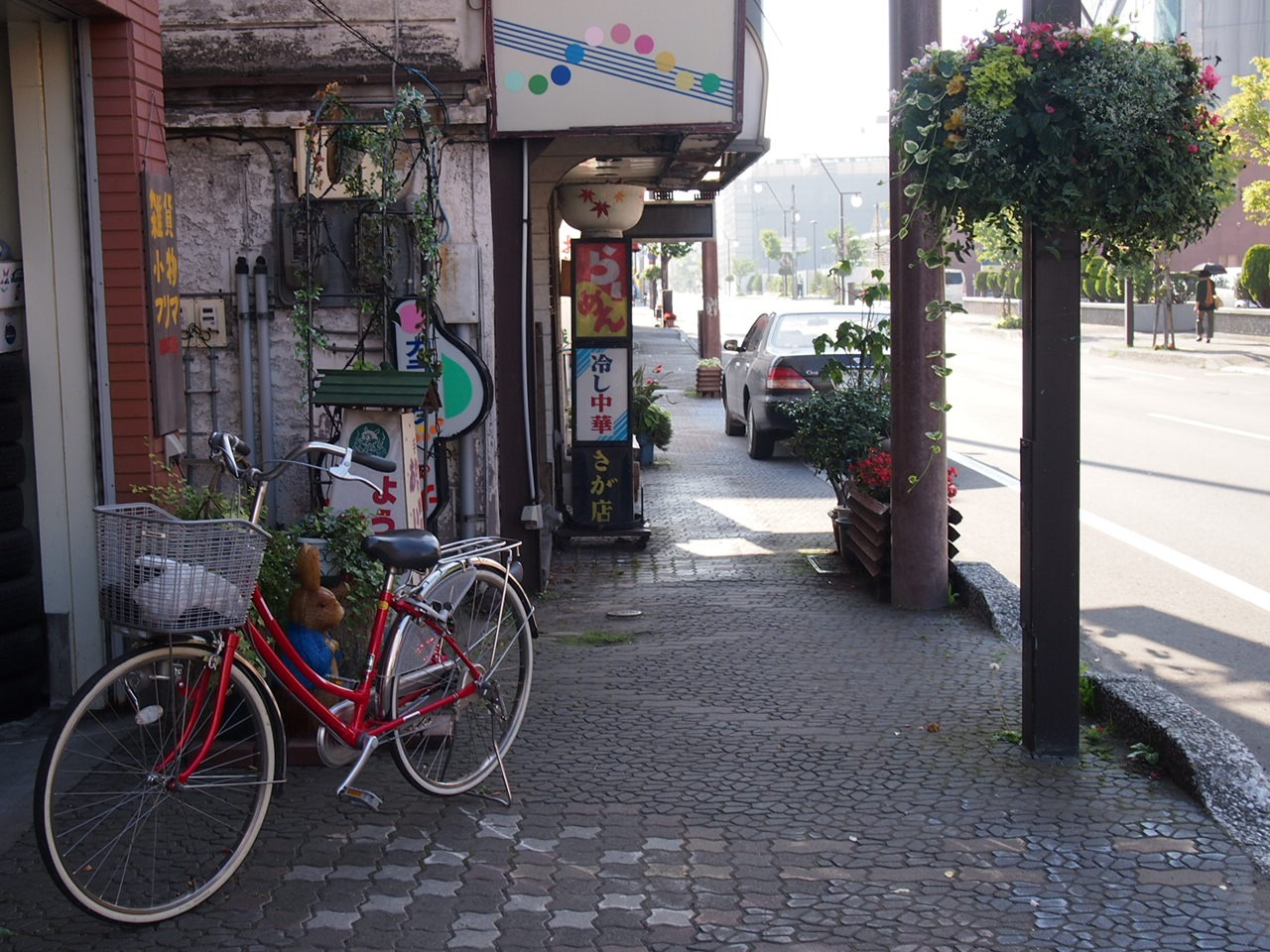
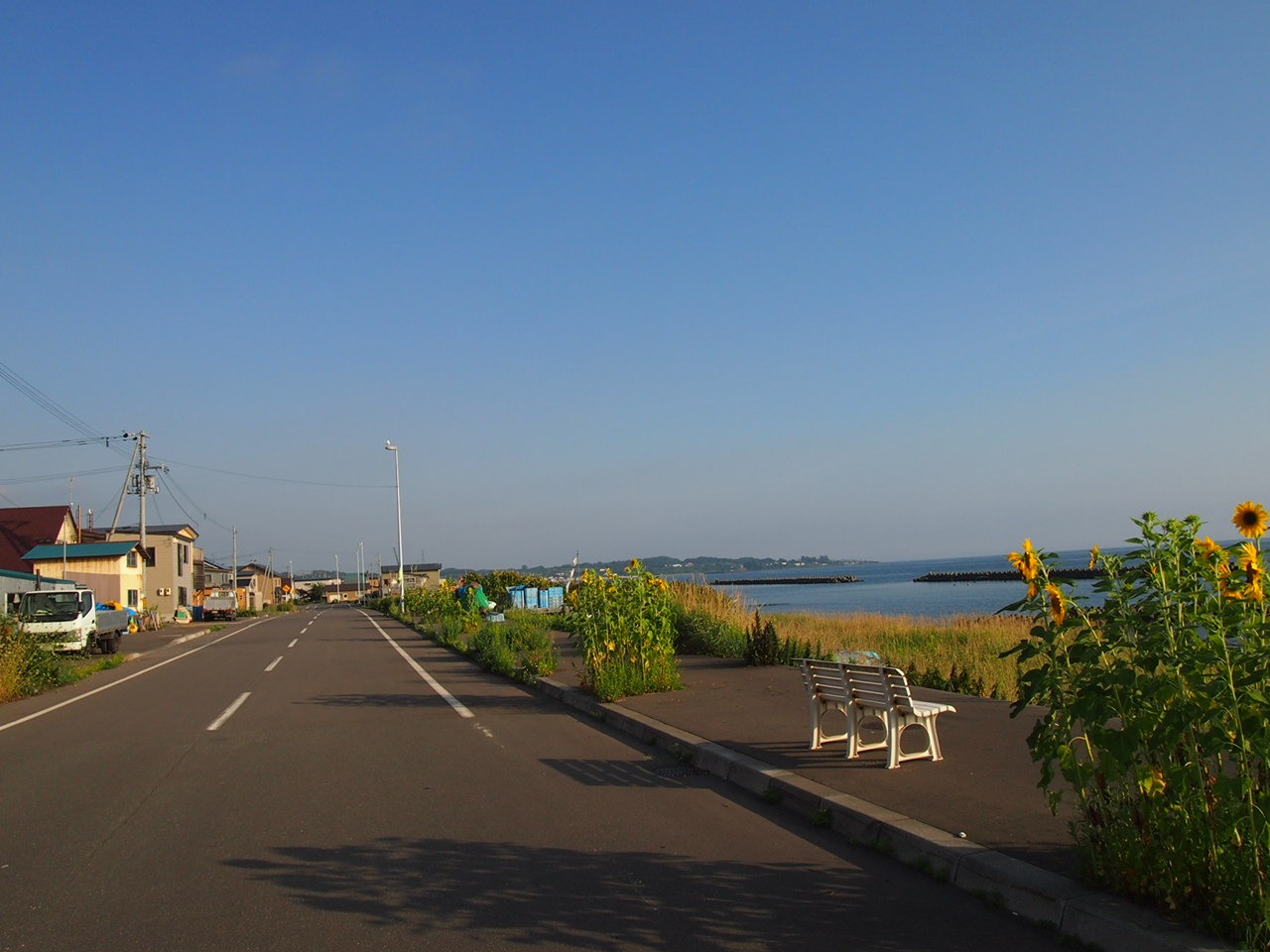
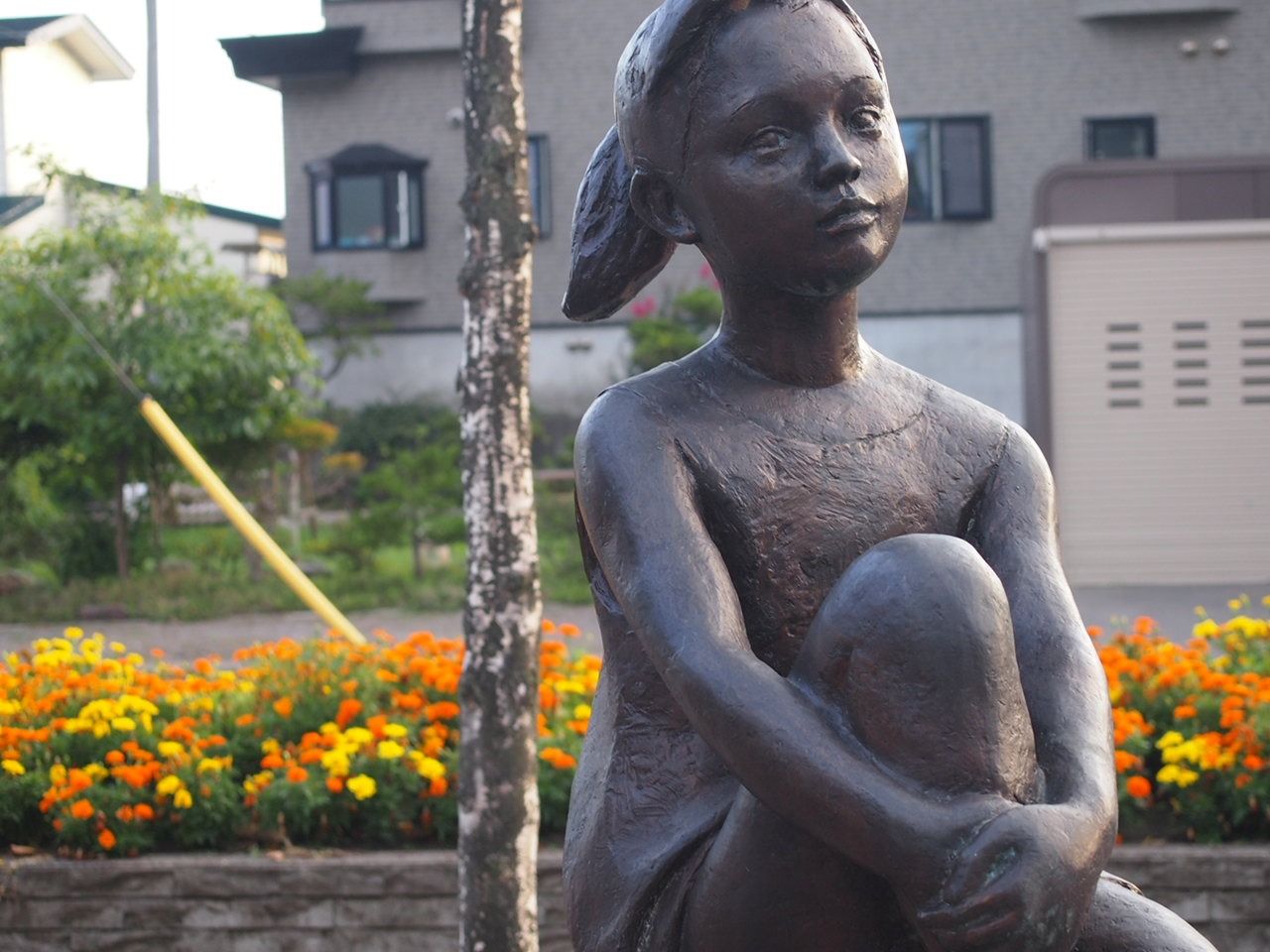
The city of Toya has only 11 thousand people. It's so small that it seems like every bench and tree in it has city-wide significance. Now I'm taking on a complex thought here. Can't explain it right away. Anyway, at the exit from the city, at the beginning of the highway, where the bridge is, there's a big rock. So... there's this movie "Ah-ga-ssi," about exactly these kinds of towns.
I decided on a desperate act — I stocked up on bananas. Today Toya, tomorrow Hakodate.