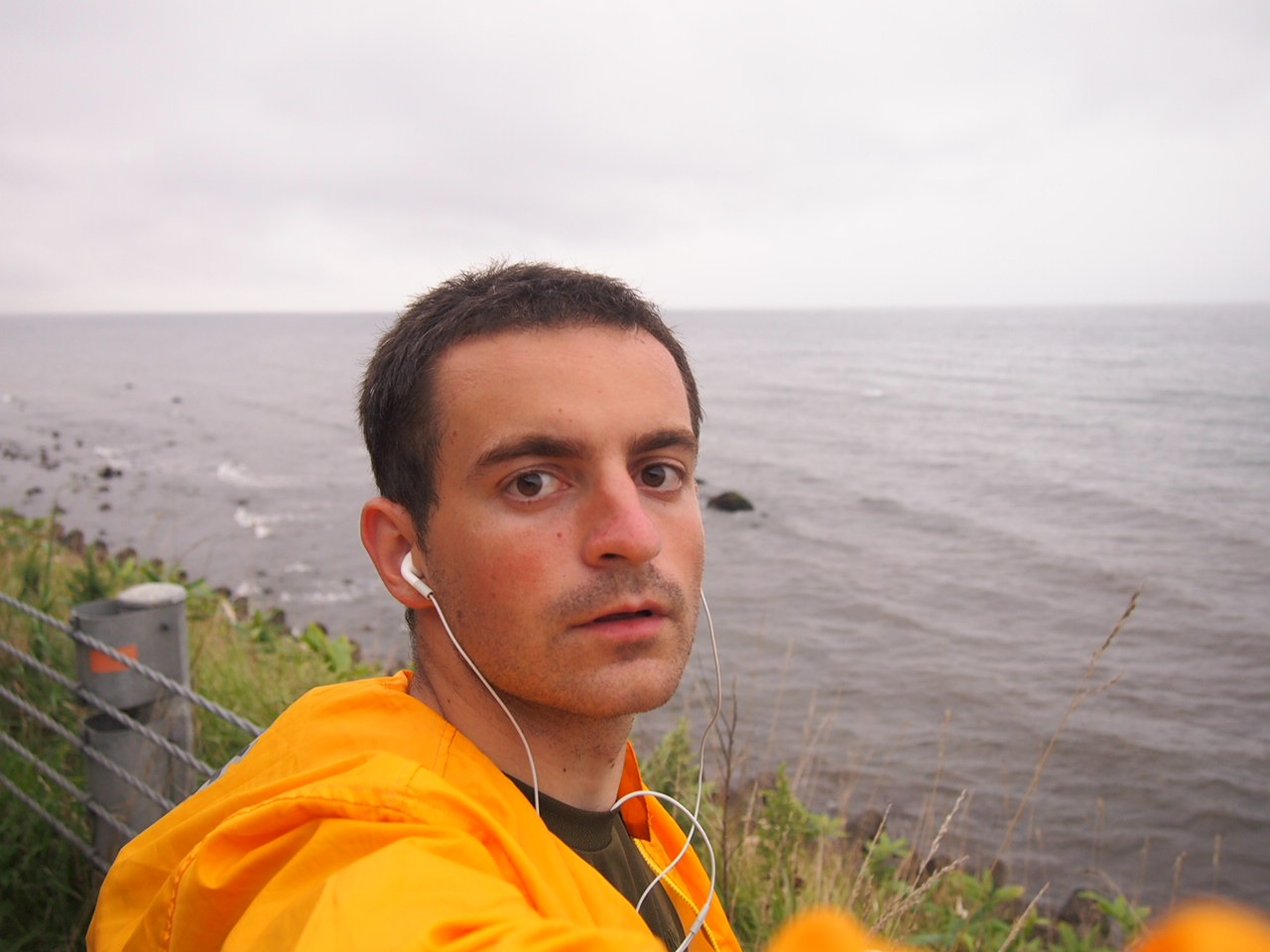
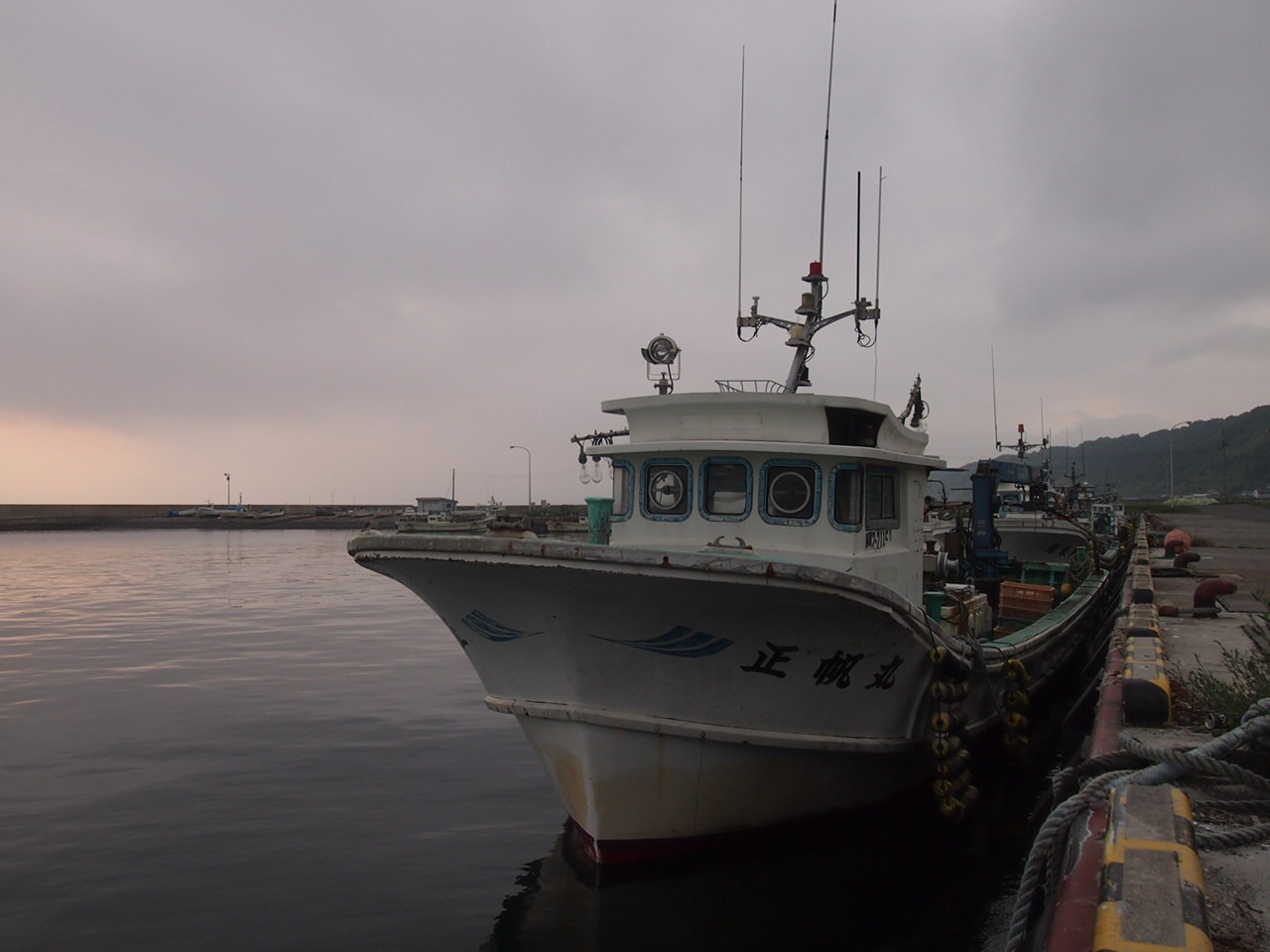
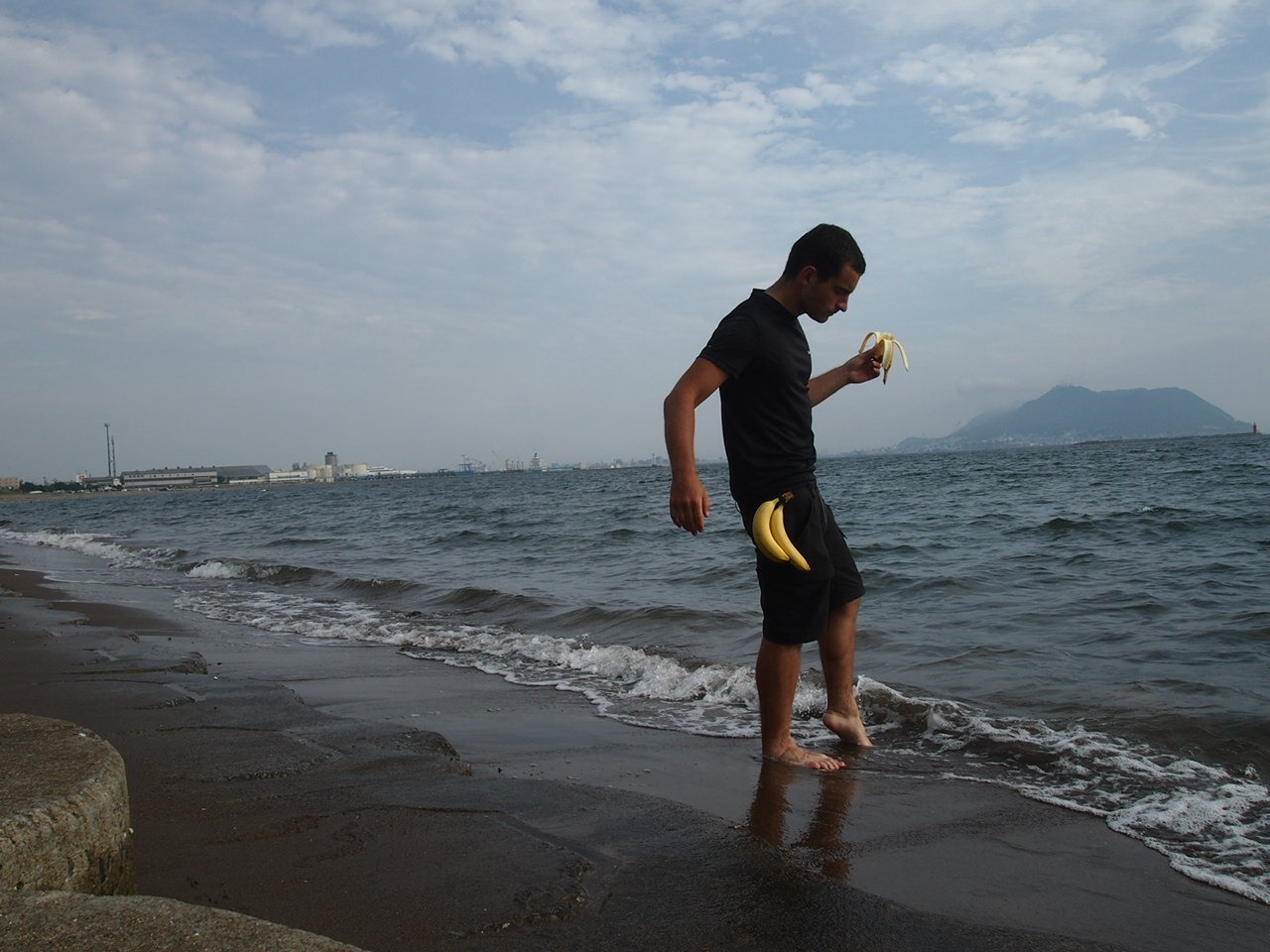
Tell me "no", baby with gastric inserts. Unfinished post about a night move
AI TranslationI noticed that Japanese people don't like to say the word "no".
— Do you sell milk in small packages? — Uh-uh-uh-uh. — the saleswoman smiles, bringing her hands to her face. — No? — Yes! (yes, we don't have any) maybe at another store. Sorry, I'm so sorry!
Come on, it's no big deal, they just didn't have milk. Once at an onsen I asked to charge my laptop from an outlet while I was bathing. The Japanese guy at the reception prepared for so long, shifting from foot to foot, as if he wanted to confess to murder. Then he straightened up and said:
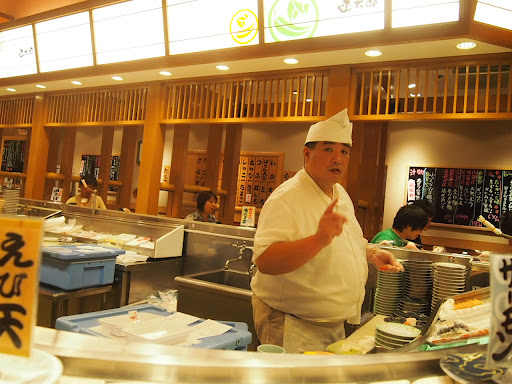
— No. — Why? This question became a new barrier for him. His lips trembled slightly, and he decided again: — No. Not all Japanese do this, but the phenomenon exists. Sometimes such situations arise. I wanted to postpone a meeting with Taro and his friend by an hour. — Yes, but we agreed on 8. — Well, maybe nine would work for him too. — Yes, but maybe he's already getting ready. — Let's call him. — Yes, but he said eight works for him. Actually, Taro had been screaming at me for 5 minutes "No! No! No! Idiot, what's not clear here?"
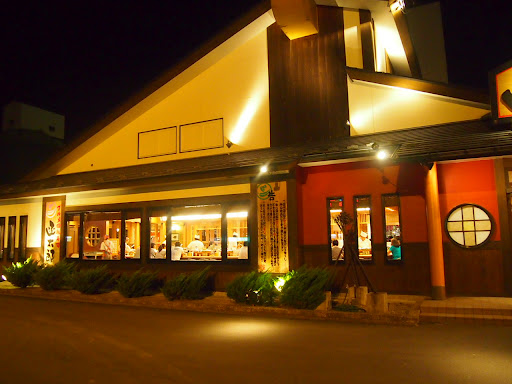
Besides "no," which you have to read between the lines, Japanese people don't say "yes." They say the word "Yes" itself, but they avoid expressing complete confidence in their statements.
Hajime, who I'm staying with now in Hakodate, advises me to go eat "the most famous hamburger in Japan." — Do you like hamburgers? — Yes. — Here in Hakodate, there's a very tasty hamburger, maybe. — he got excited, describing this hamburger. — You can buy it tomorrow afternoon and go eat it in the park. It'll be cool. — he spread his arms, but then came to his senses. — Maybe.
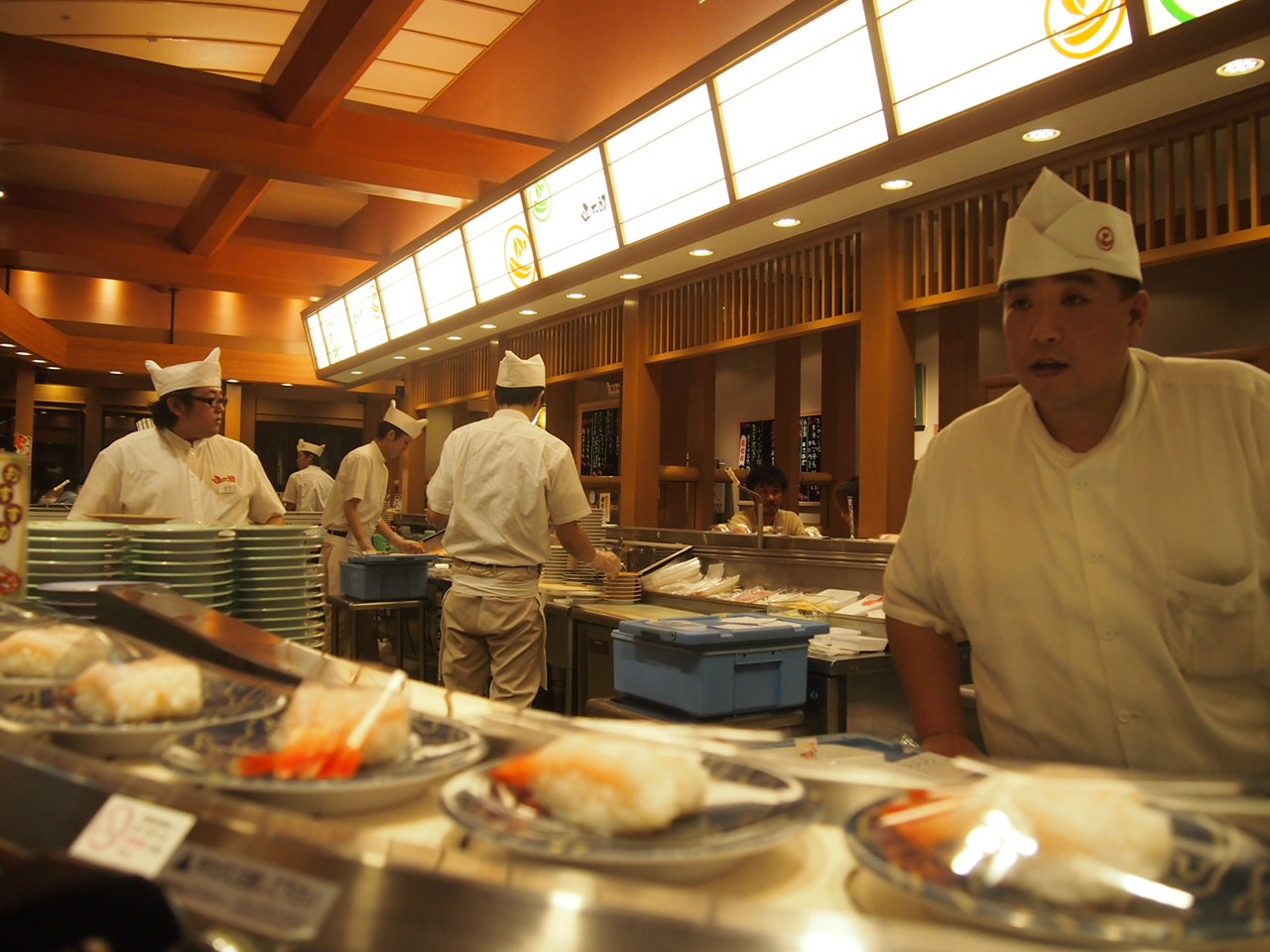
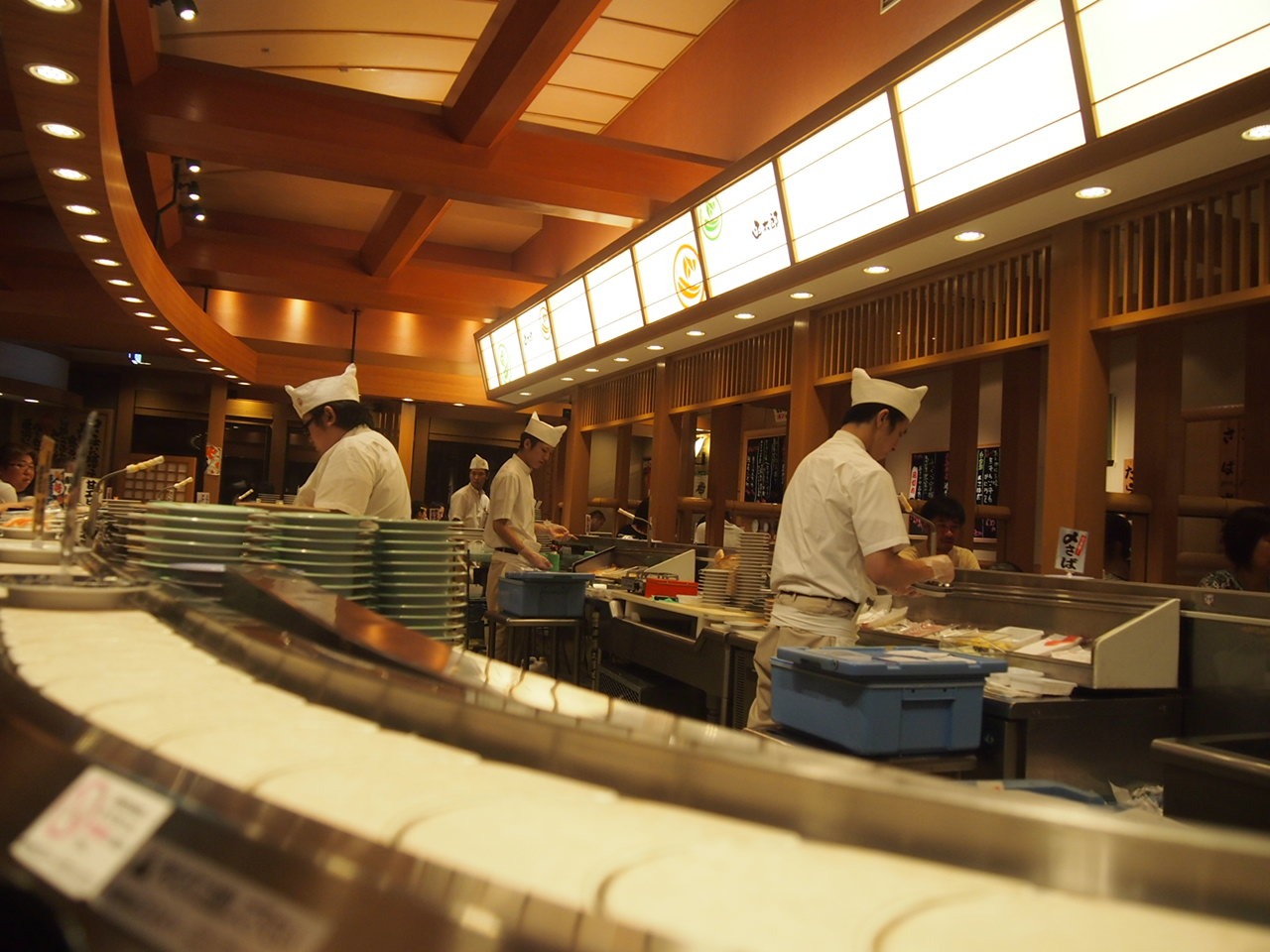
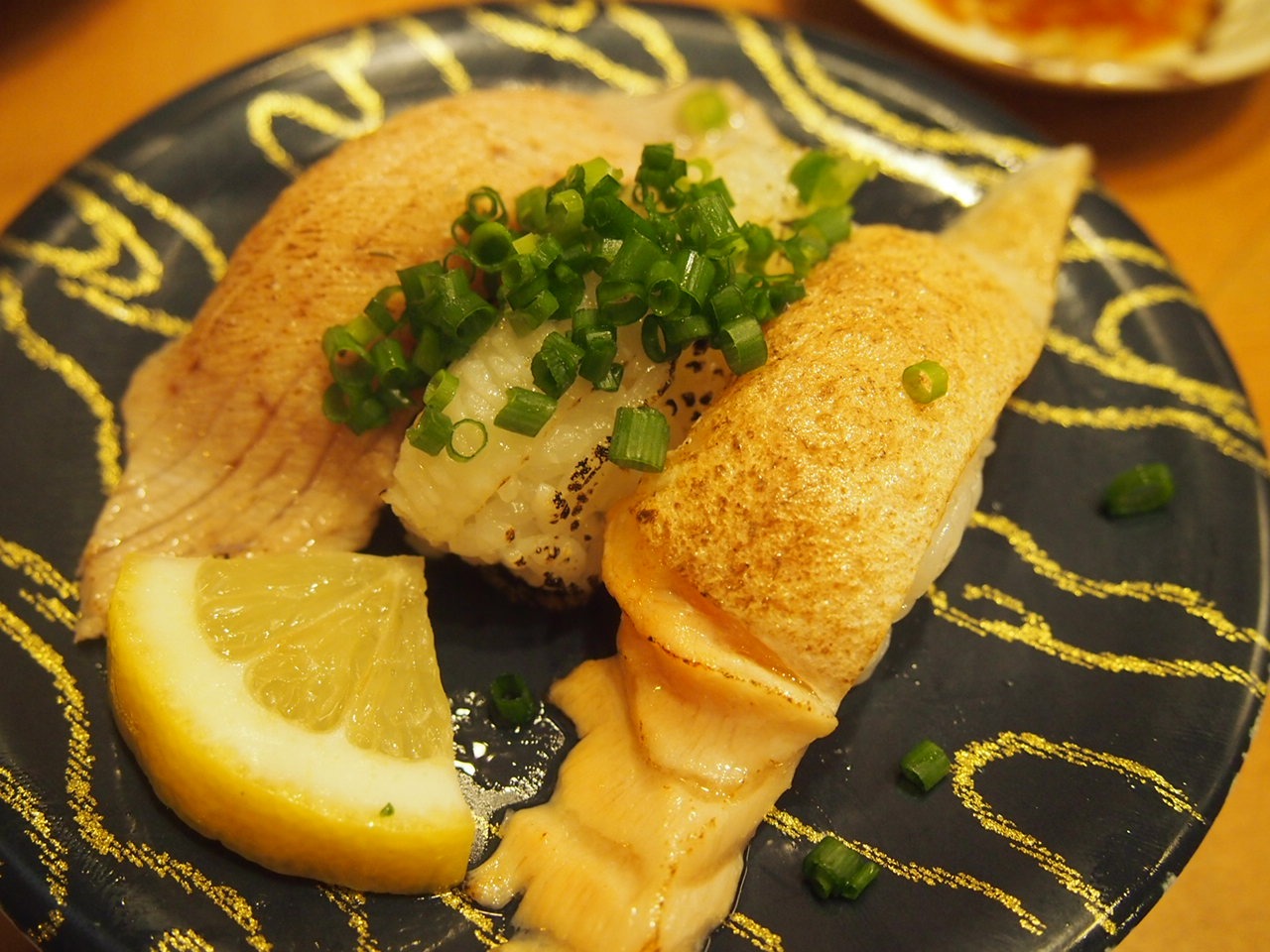
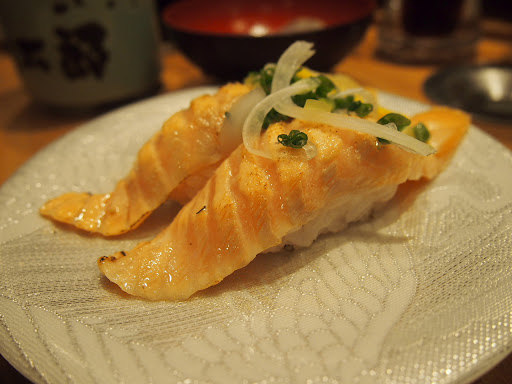
Back in Sapporo, a city engineer advised me to definitely eat sushi in Hokkaido, saying that it's in Hokkaido where they're the most, maybe, delicious. Now we're eating exactly such sushi. And being non-Japanese, I can say. They're the most delicious.
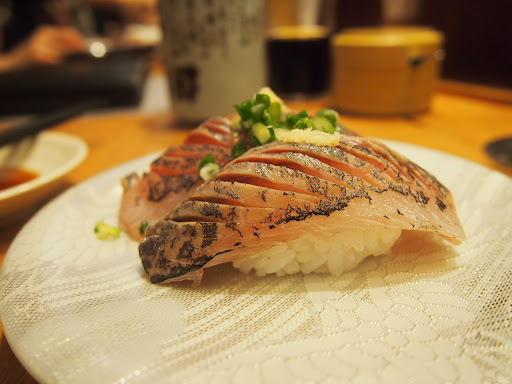
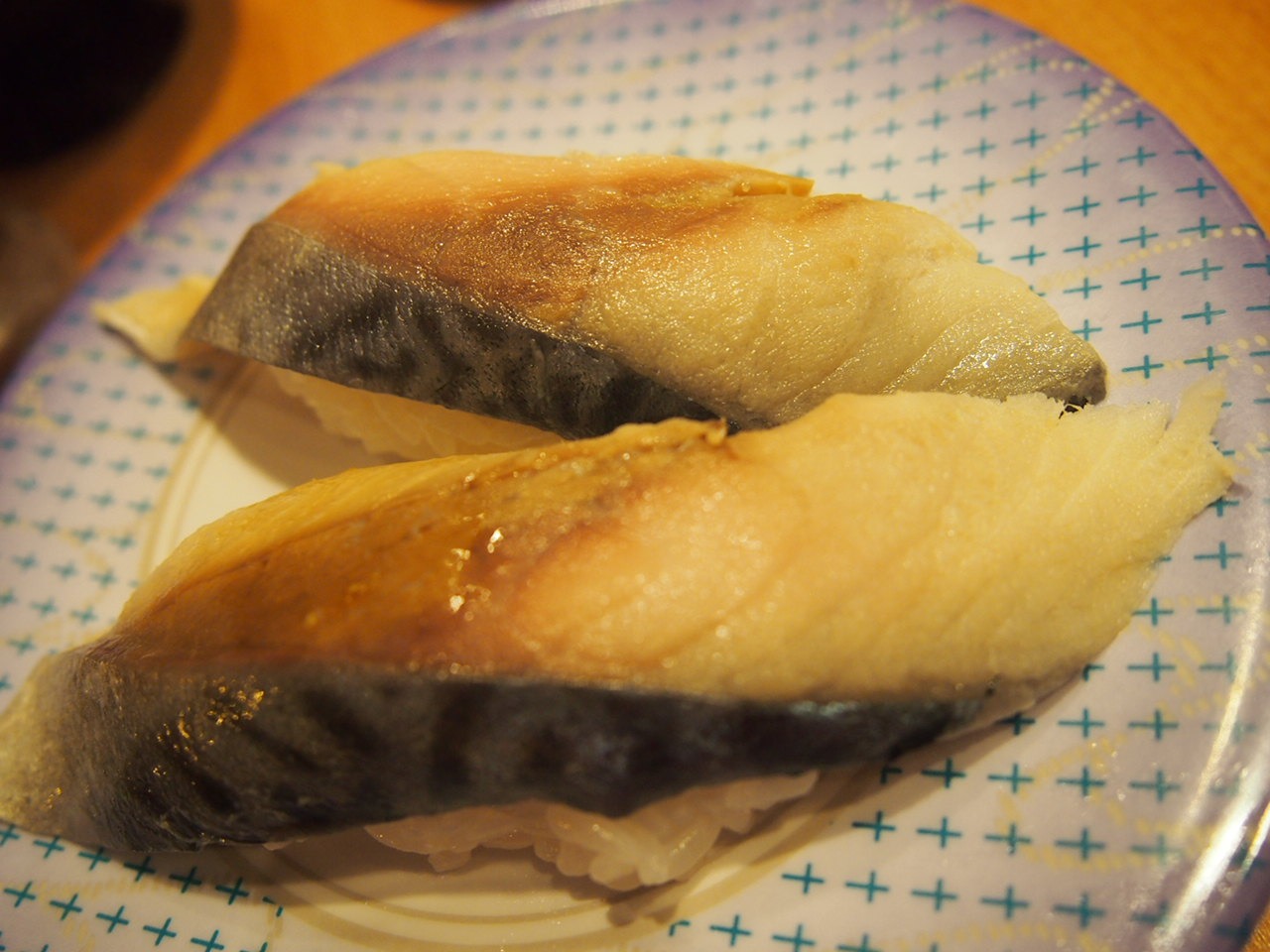
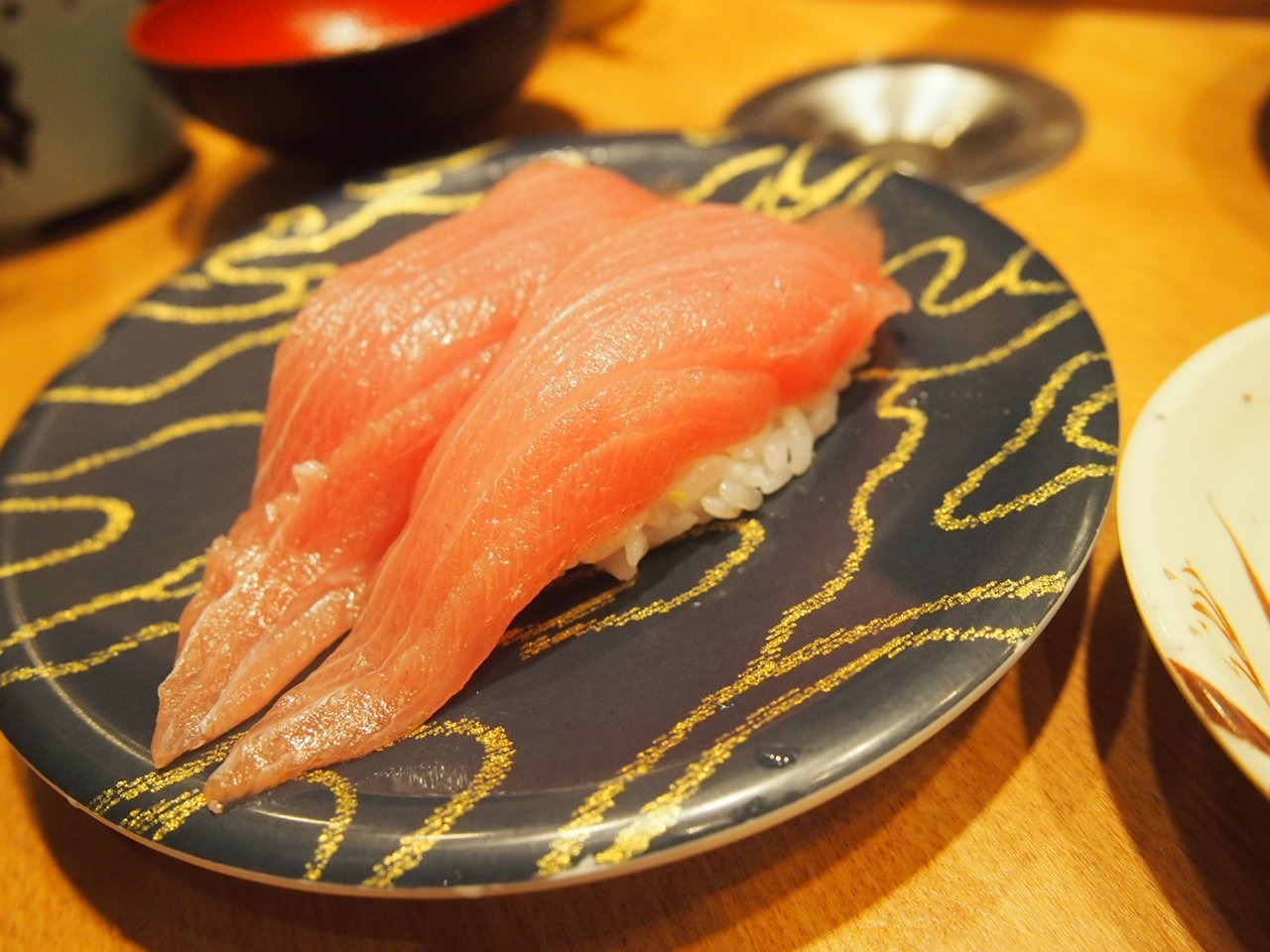
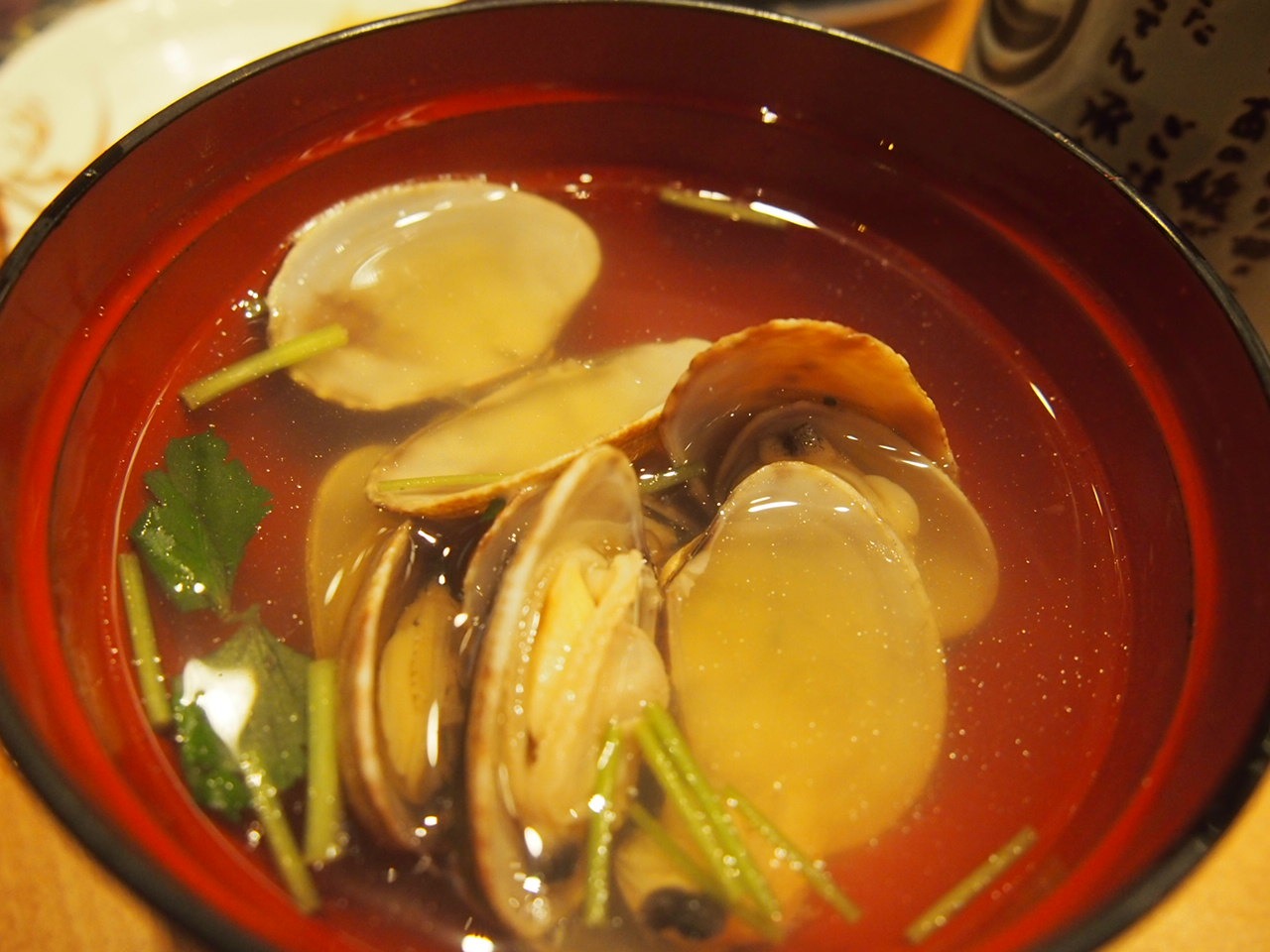
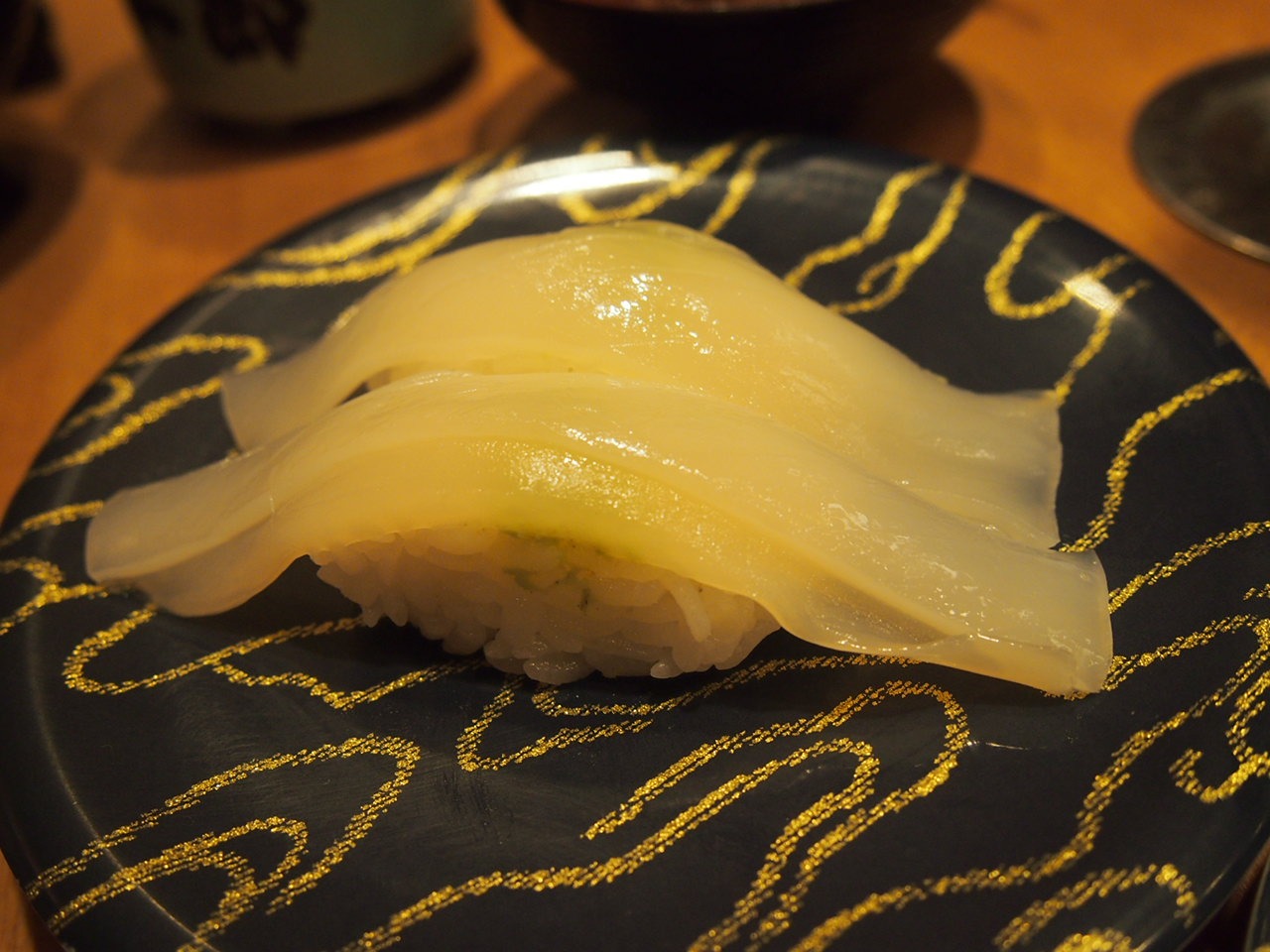
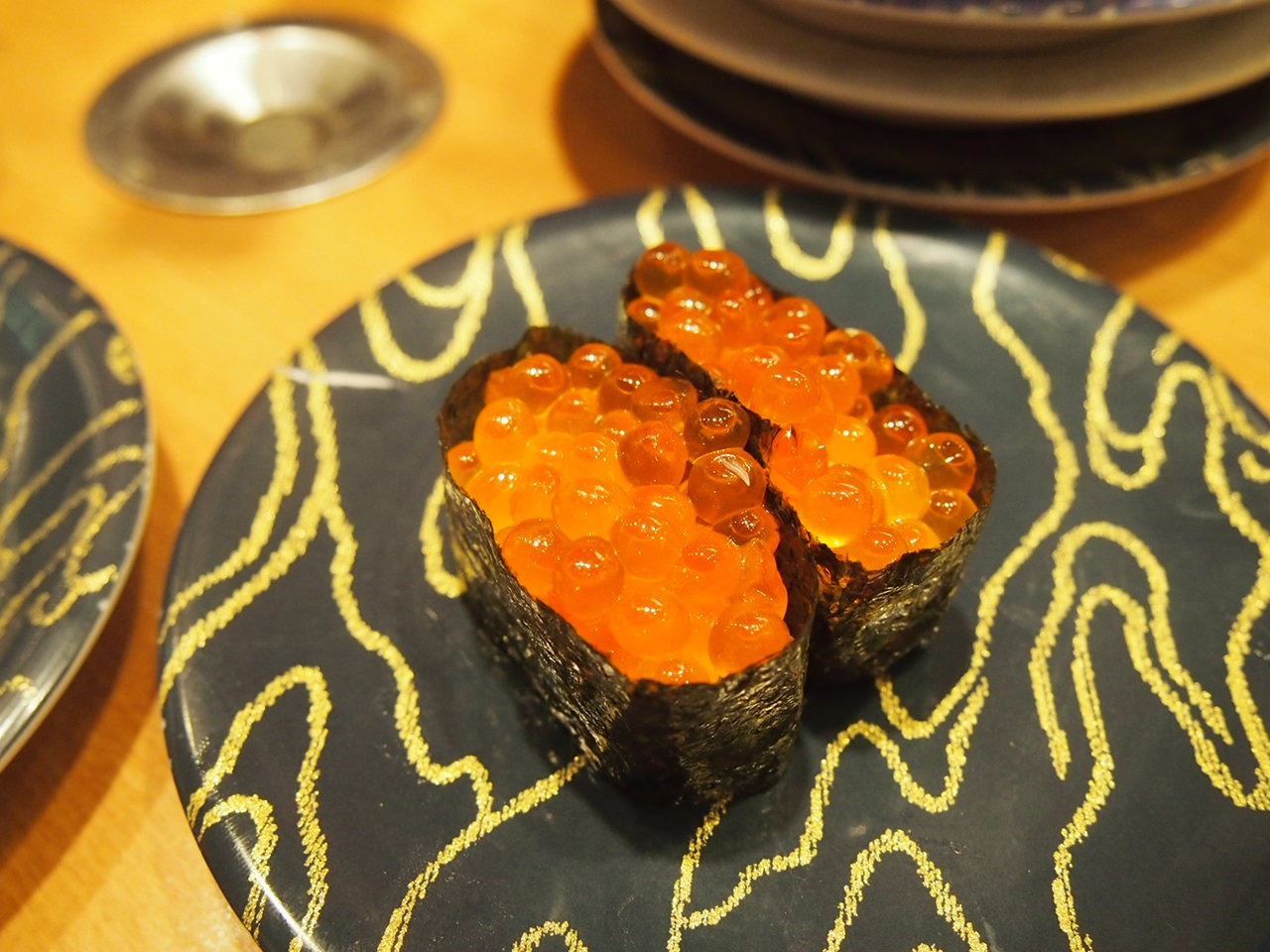
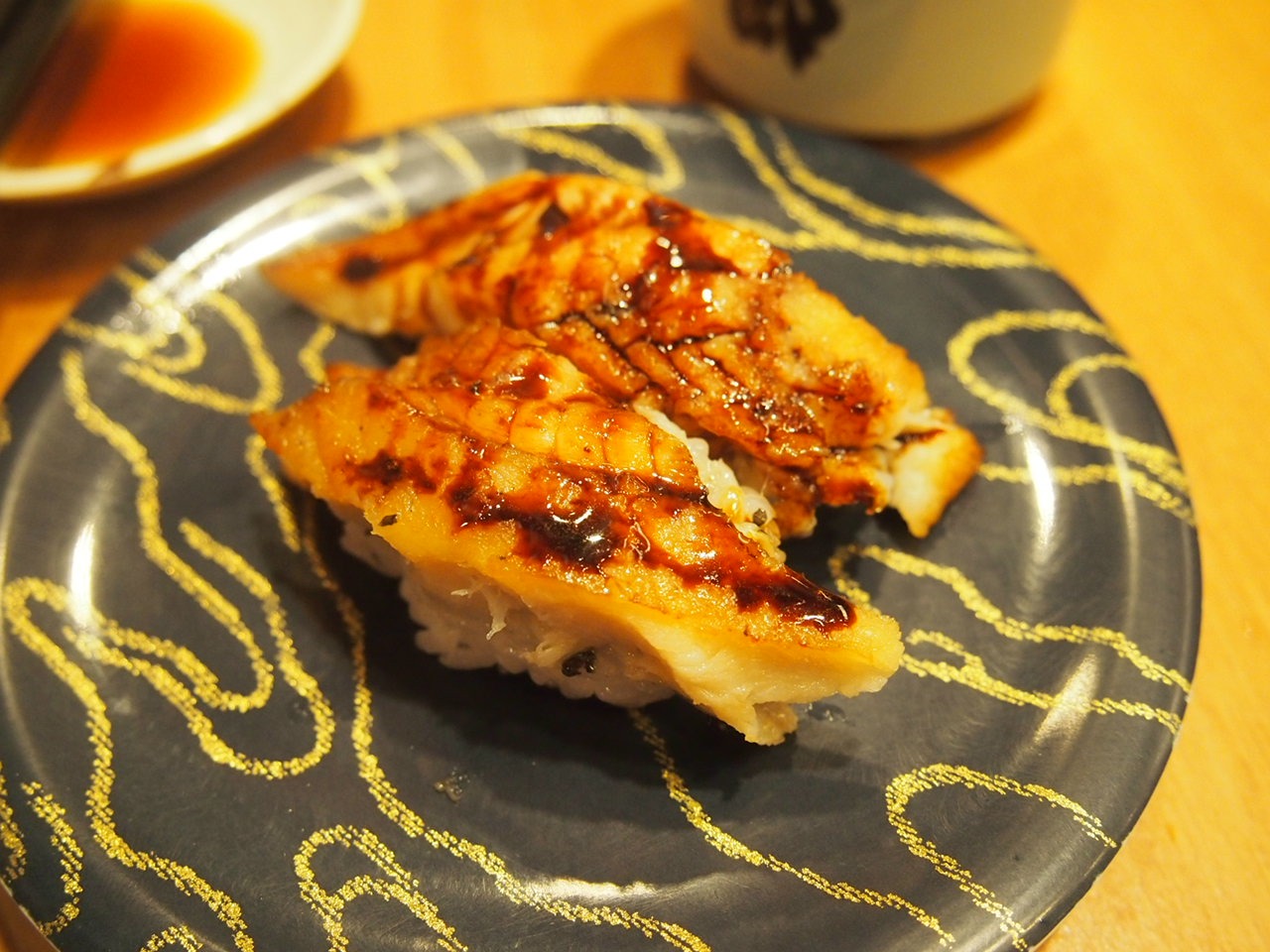
— Hajime, I'm intoxicated by the taste, I've never eaten such sushi. We ordered sushi with squid, sea bass, mackerel, salmon, flounder, tuna, red caviar, yellowtail and horse mackerel. I sit, fully aware of their strategic superiority in cuisine. — Haji, we mostly just have rolls in sushi bars. There are some! "Philadelphia," very tasty. — Like "Philadelphia"? Sushi with cheese or something? — Yes. — Ha-ha, I can't imagine such a thing.
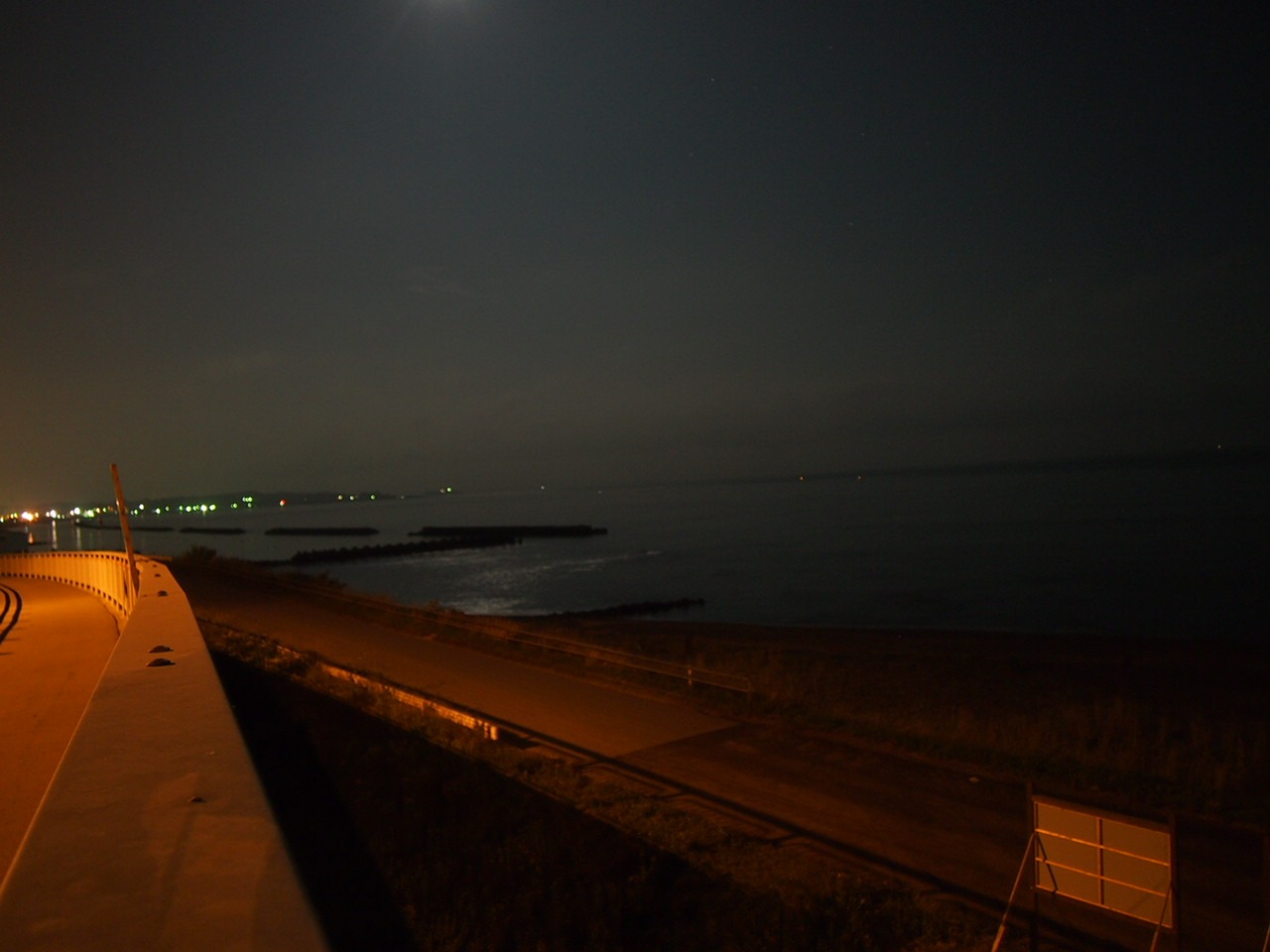
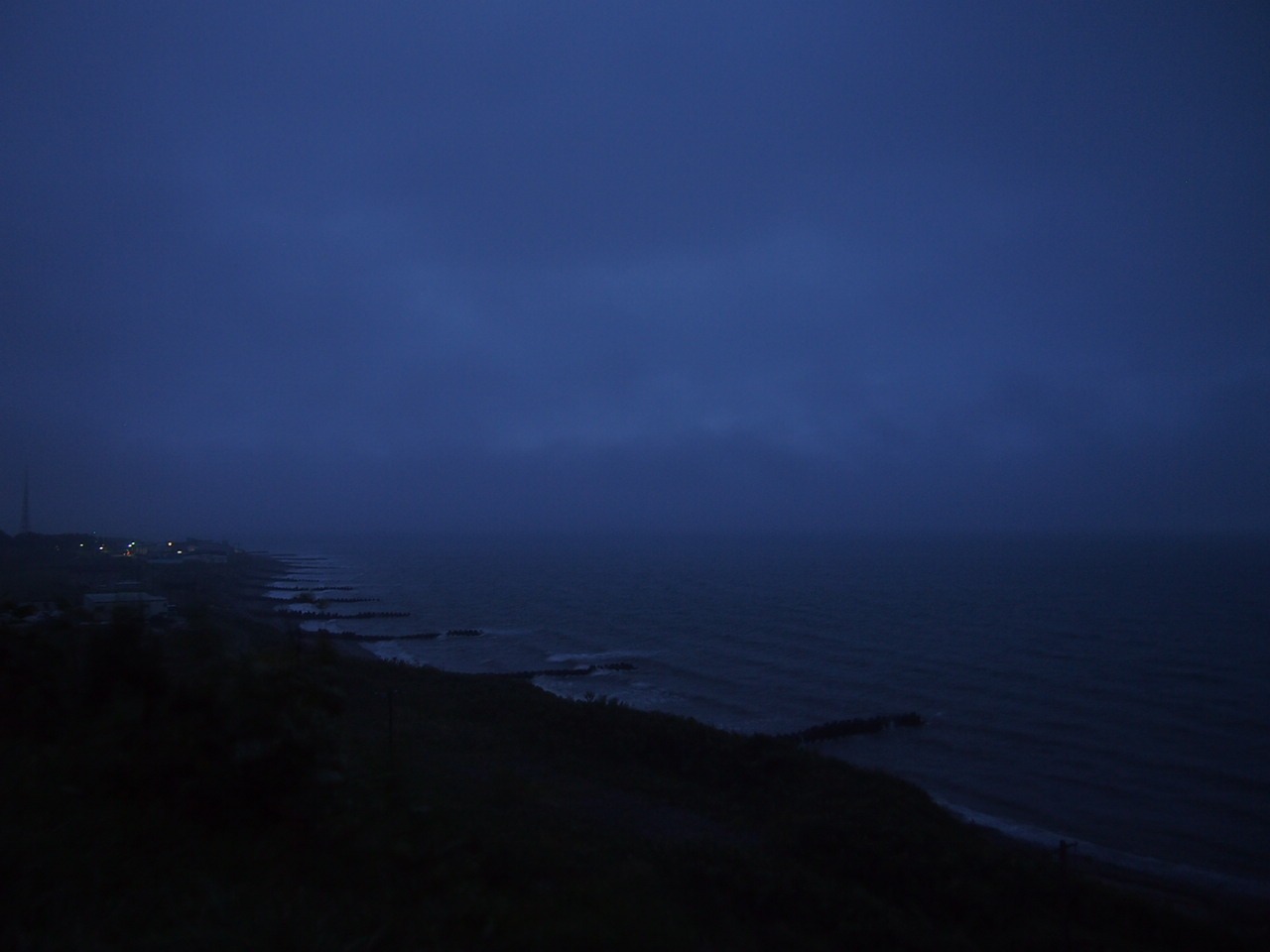
How to describe thirst to make you want to drink? How to describe a fight to make you want to break your fists. It's a challenge. The pieces are set, and checkmate must be delivered in three moves. You can do it in four, but that's not convincing. What should an article about a night trip from Toya to Hakodate be like? Should it be long, like that night and morning, or brief, like gusts of wind by the coast? What metaphor will make you lift your head to see the moonlight and look away from the headlights of a passing truck? How to describe that night sea that the camera couldn't capture. I went into a store to buy food for the road. No, better — "I set out." A simple action in a short sentence, just right for a beginning.
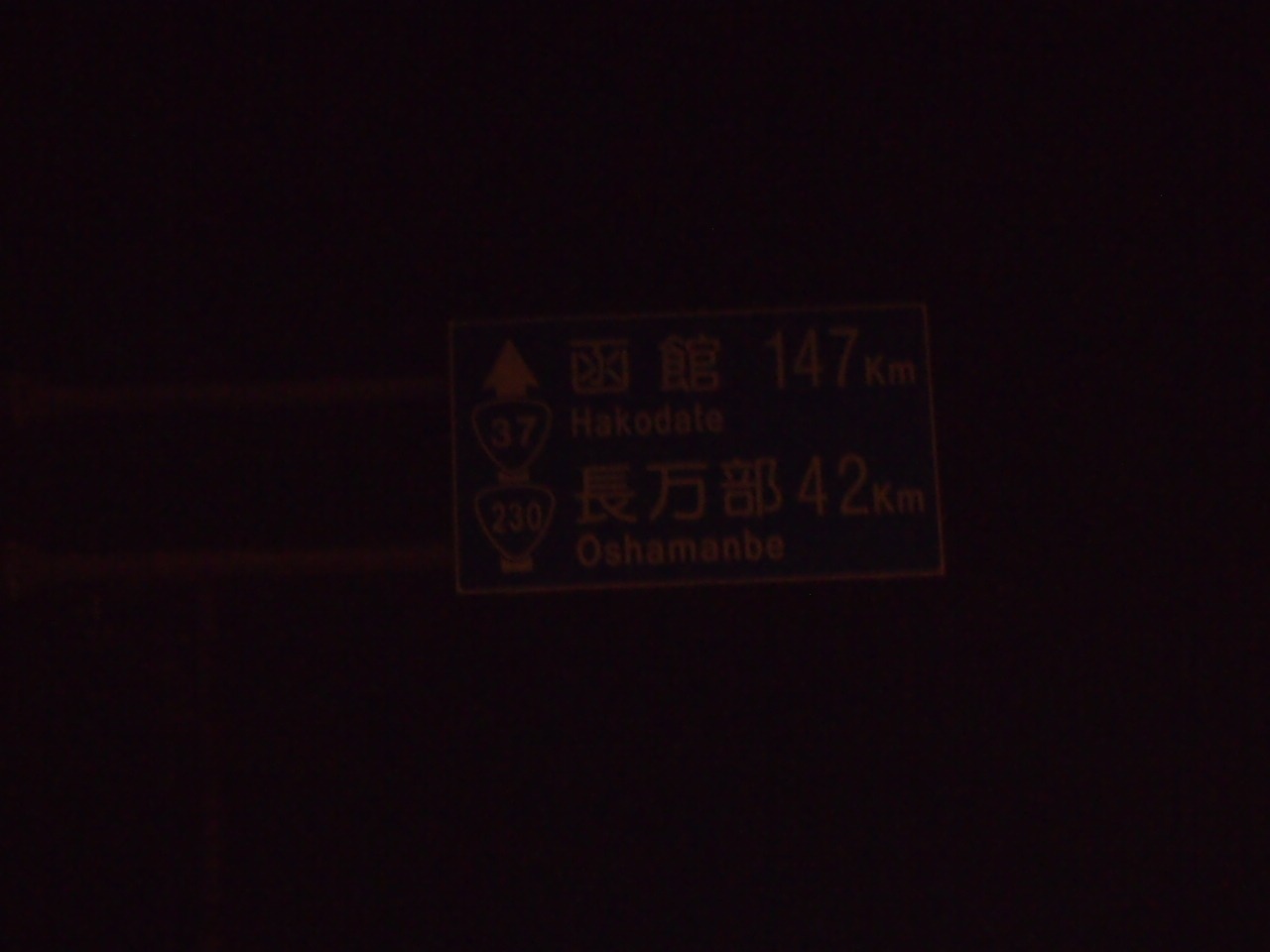
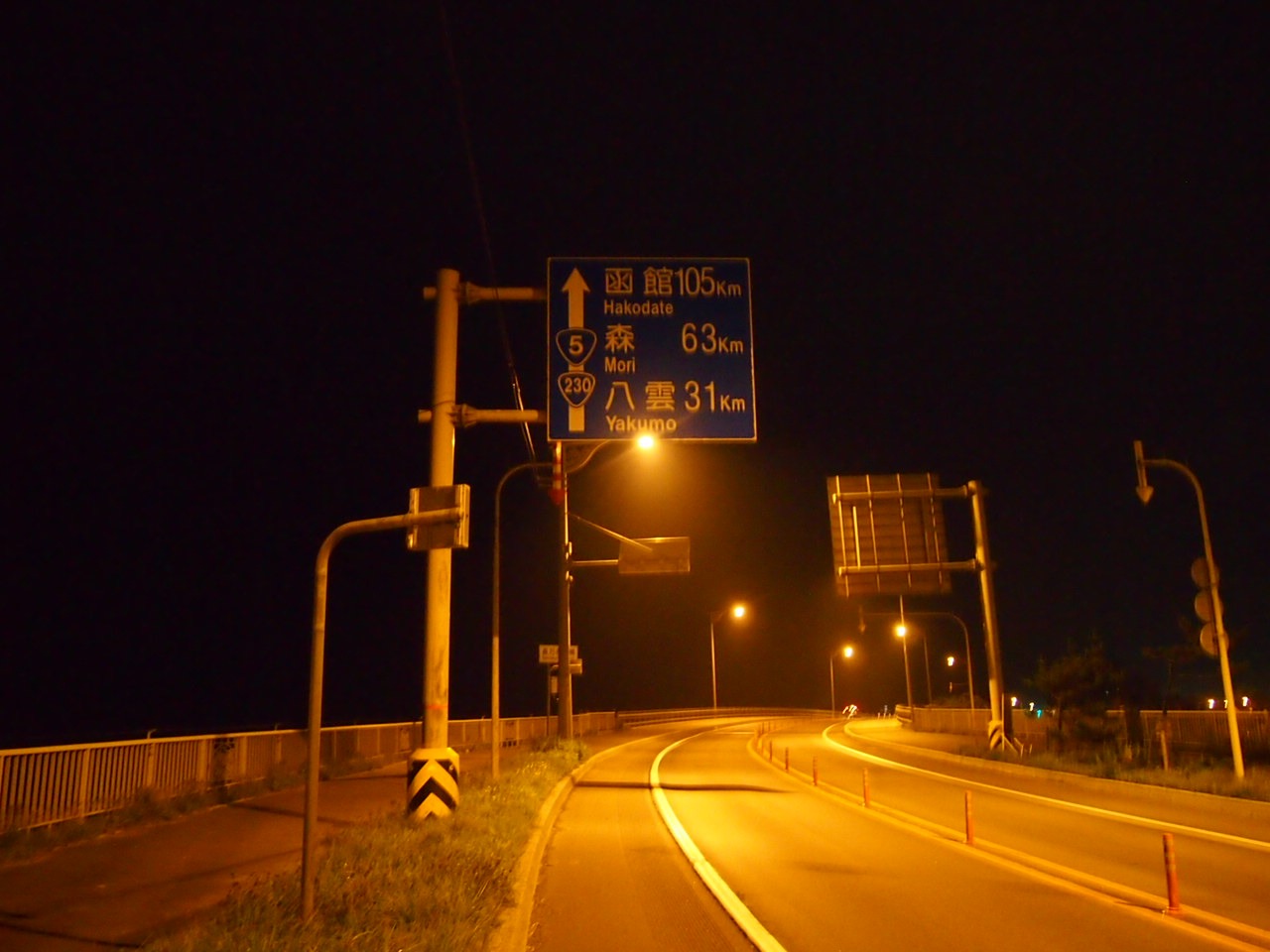
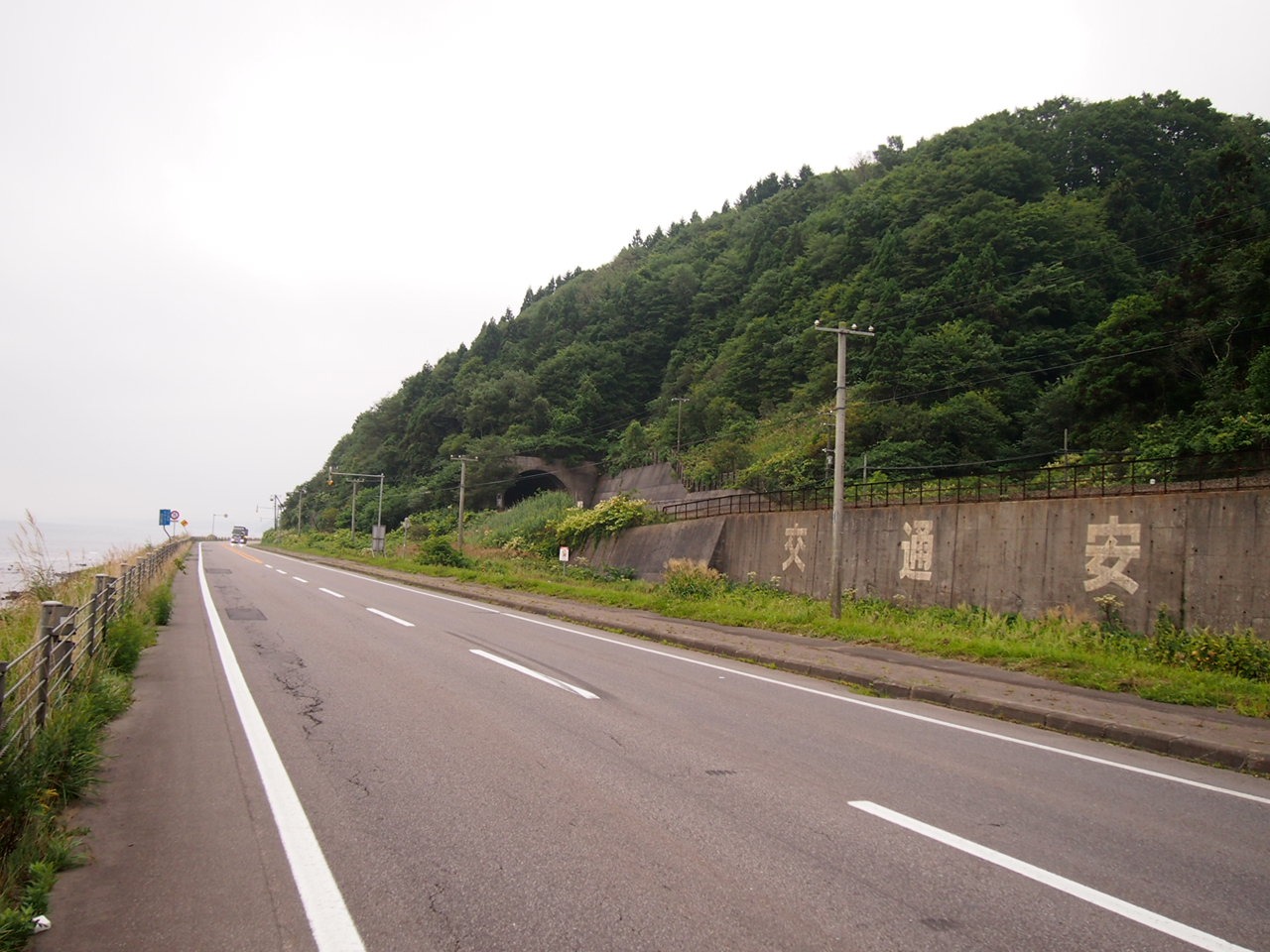
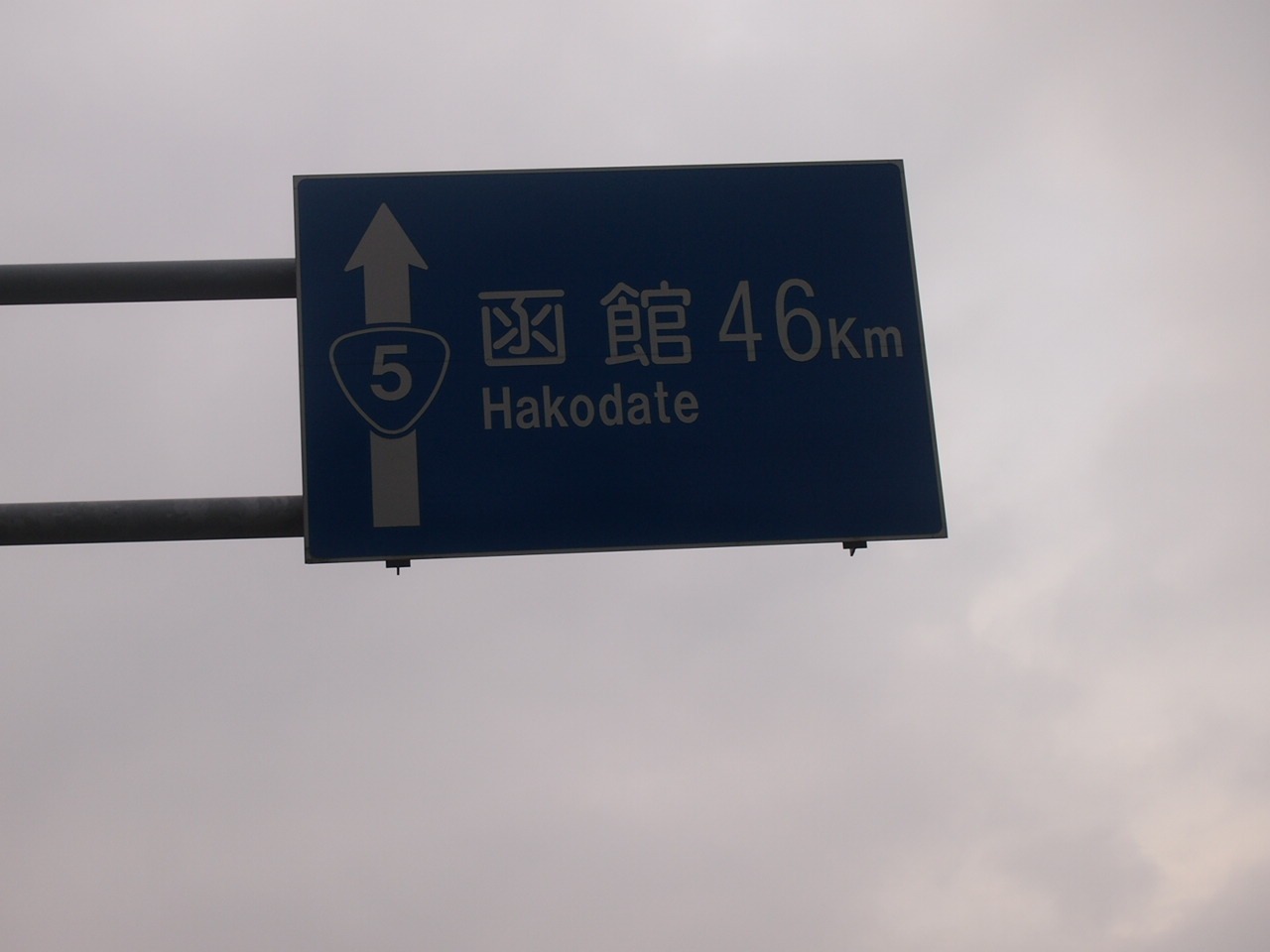
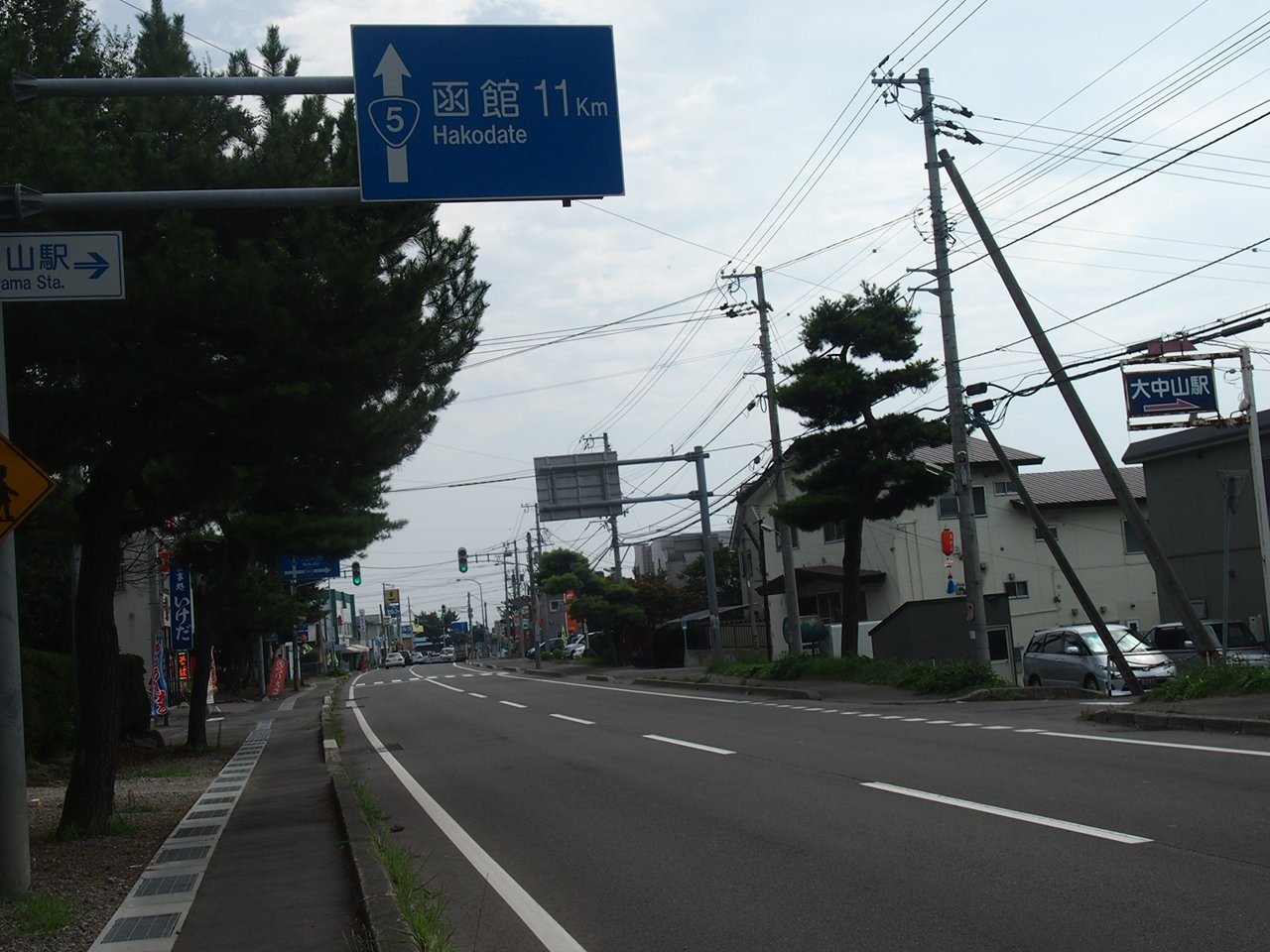
I set out. At the exit from Toya hangs a road sign 147 km to Hakodate. It's hard even for me to imagine how this trip will go. I see only the moon and the road ahead of me. Behind me the city and the lakeside camping remain, getting farther with each turn of the wheel.
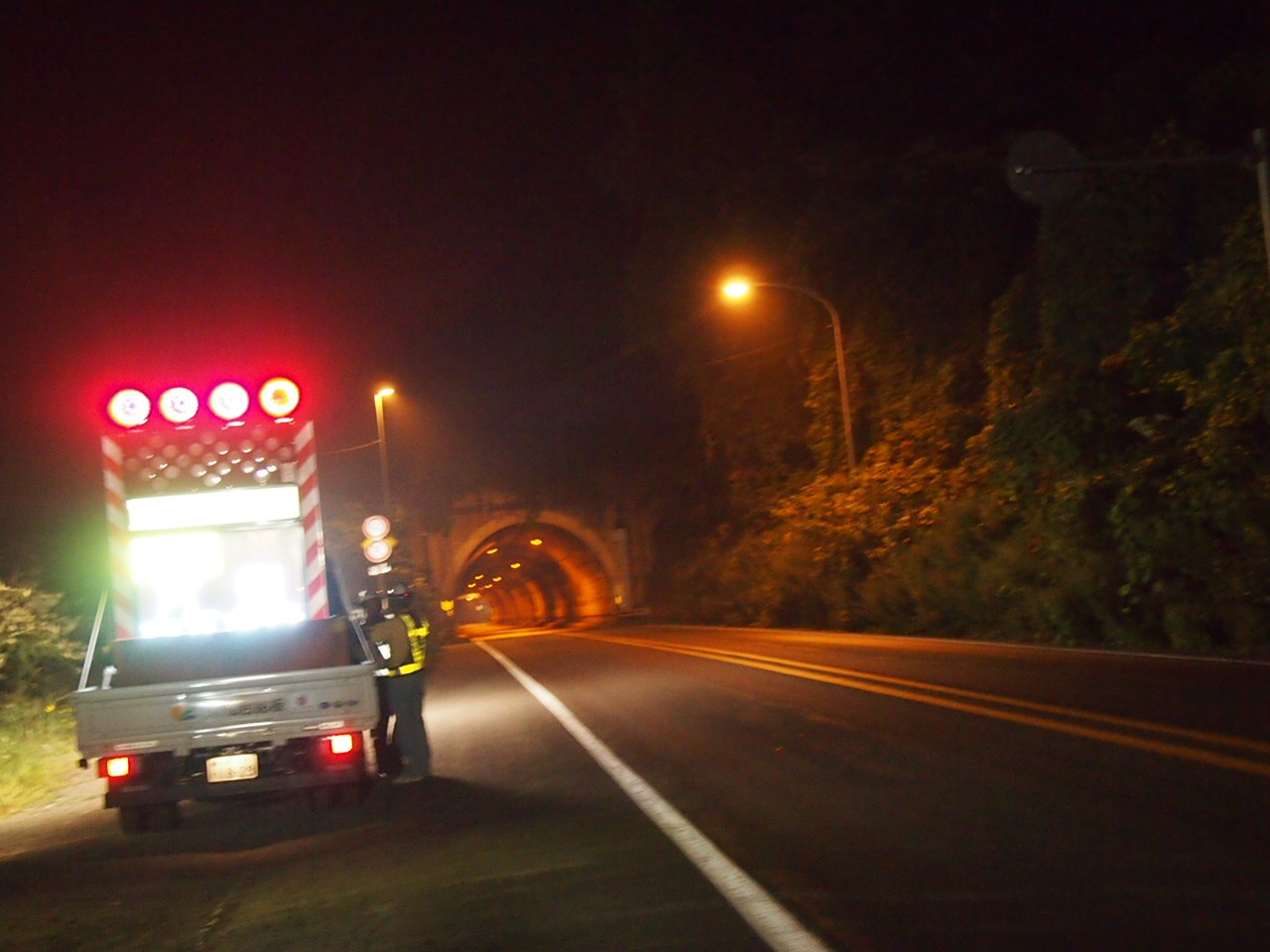
The speedometer shows 20 km/h, and it's nine o'clock. The sun set at seven in the evening, and won't rise soon. There are lots of cars on the road, they light up the road, but it would be better if they weren't there. Big trucks rumble, laboriously overtaking my bicycle so close they could touch my elbow. Fade to black (Metallica) starts playing in my headphones.
To my right is a sheer cliff ten meters high, with metal fences sticking out perpendicular to the surface so rocks don't fall. Night in darkness — it looks like a big sleeping hedgehog. I now hate climbs. They're not just difficult, now they drive me crazy. The bicycle moves forward exactly as much as the pedal was turned. Stop pedaling, and it stops. I've learned during the journey that difficulties become even harder if you start feeling sorry for yourself and stop smiling. The first makes you want to stop, and with the second you wall yourself off from the outside world and interesting encounters. As soon as I immersed myself in gloomy thoughts with a sullen face, I stopped meeting people, they didn't approach me and didn't wave from cars.
I've already covered 30 kilometers. Nothing is as invigorating as a road sign whose number keeps getting smaller and smaller. A little more and I'll break a hundred. I'm starting to acquire a taste for it. Before I got high like a tourist, now like a cyclist. Descents, climbs, everything's a high, if only there were bananas.
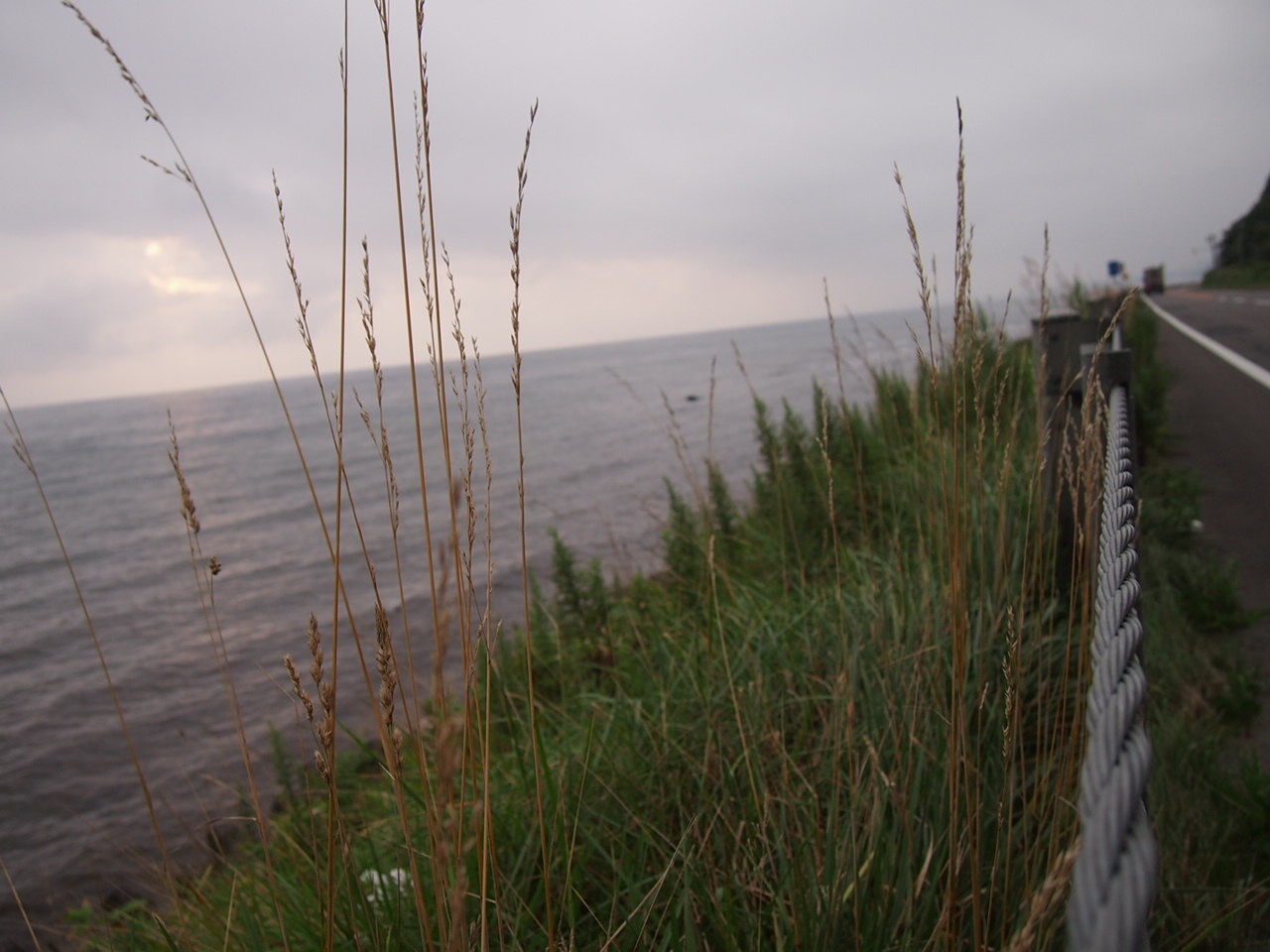
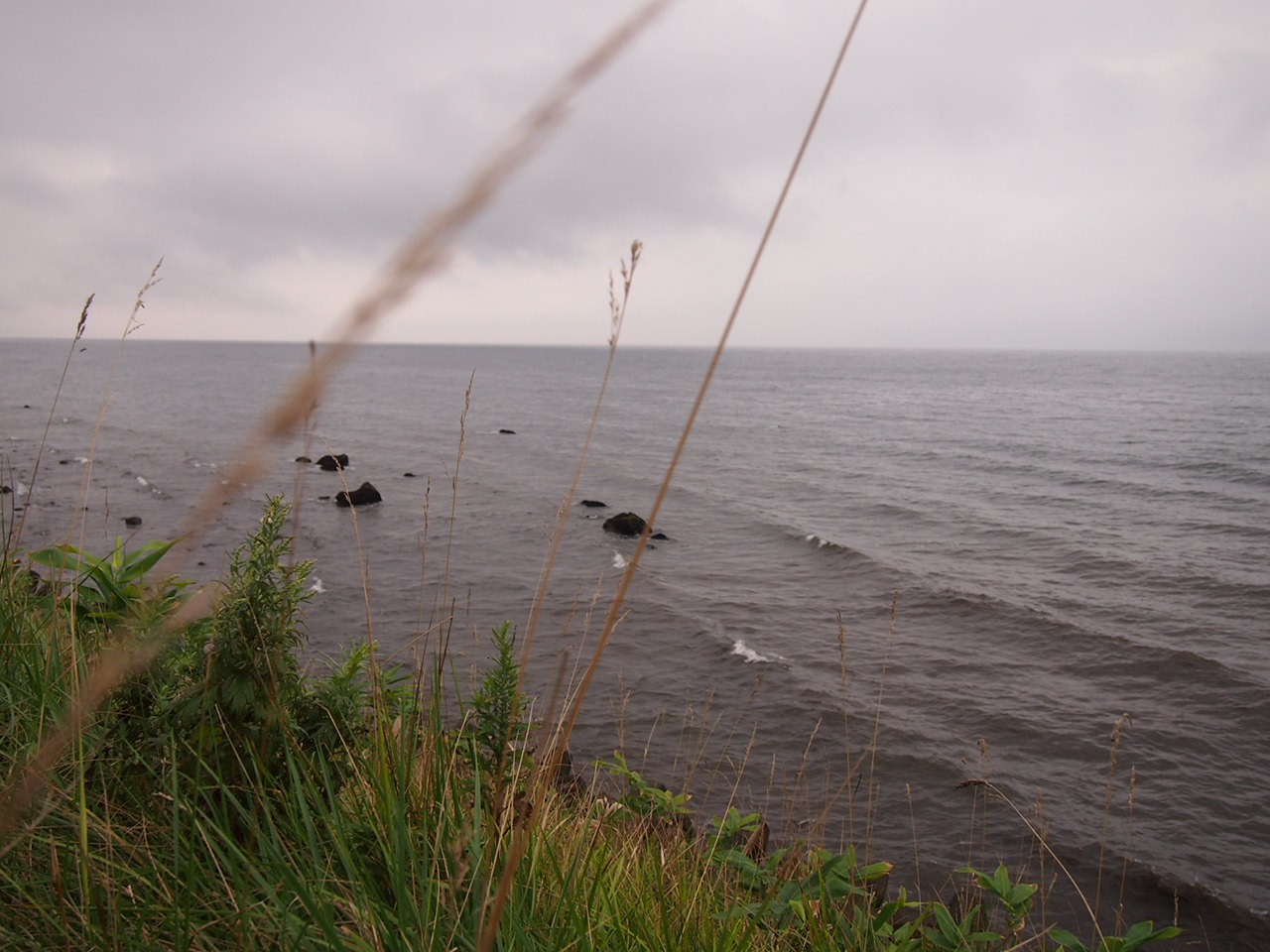
In the darkness I pass through settlements that will remain nameless to me. Only a rock in the moonlight, sticking right out of the sea, reminds me of those seascapes I'm missing in the darkness. Wood sorrel grows along the railway. The wind has picked up, and big bushes scare me with their movements. To the right, somewhere in the distance, the sky is darker than usual, I noticed the moon is gone and there are no stars. This sky is preparing something.