From Takayama to Gifu
AI TranslationAmber and Mike got ready by nine in the morning. Their usual day starts at noon, but today the school was holding a sports event and the slackers had to put on their school teacher masks earlier. I left with them to explore Takayama.
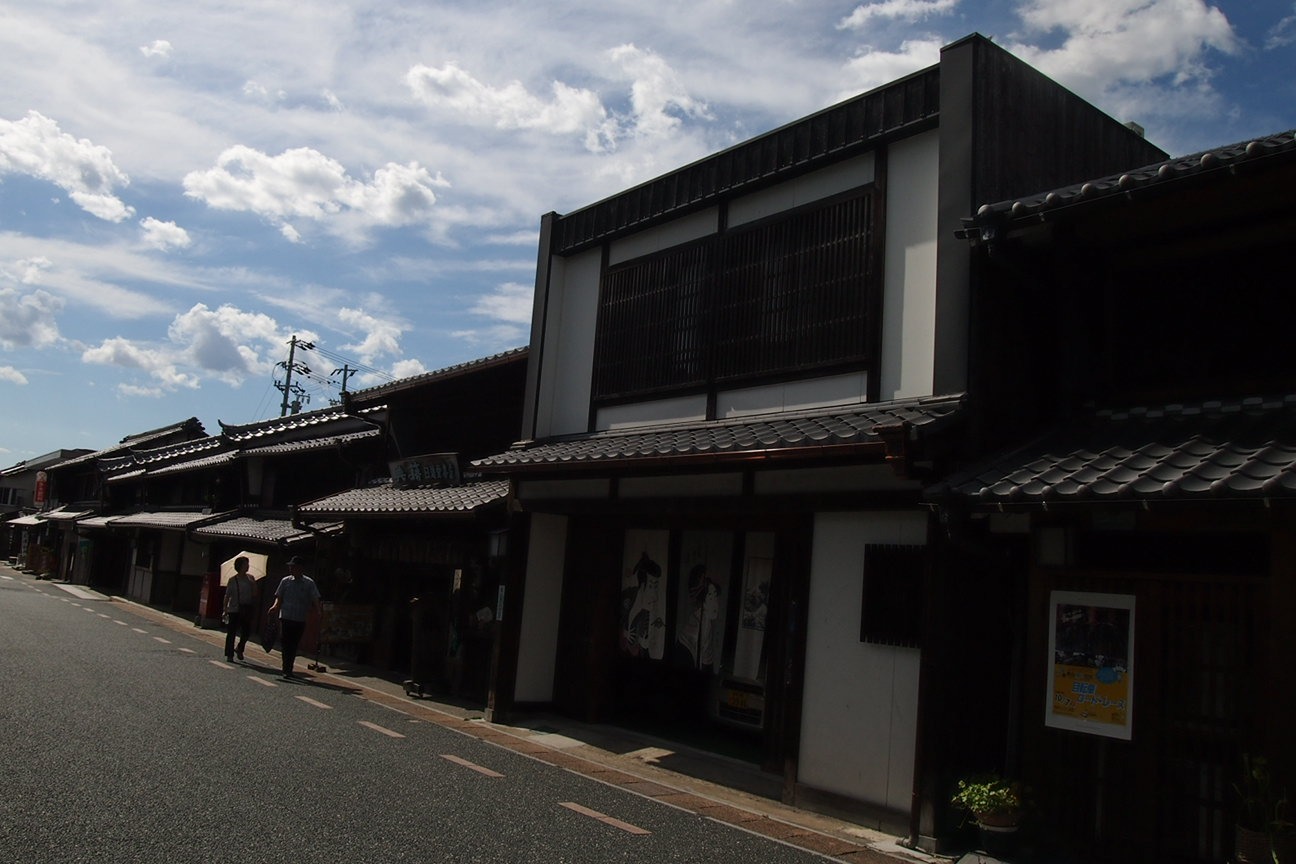
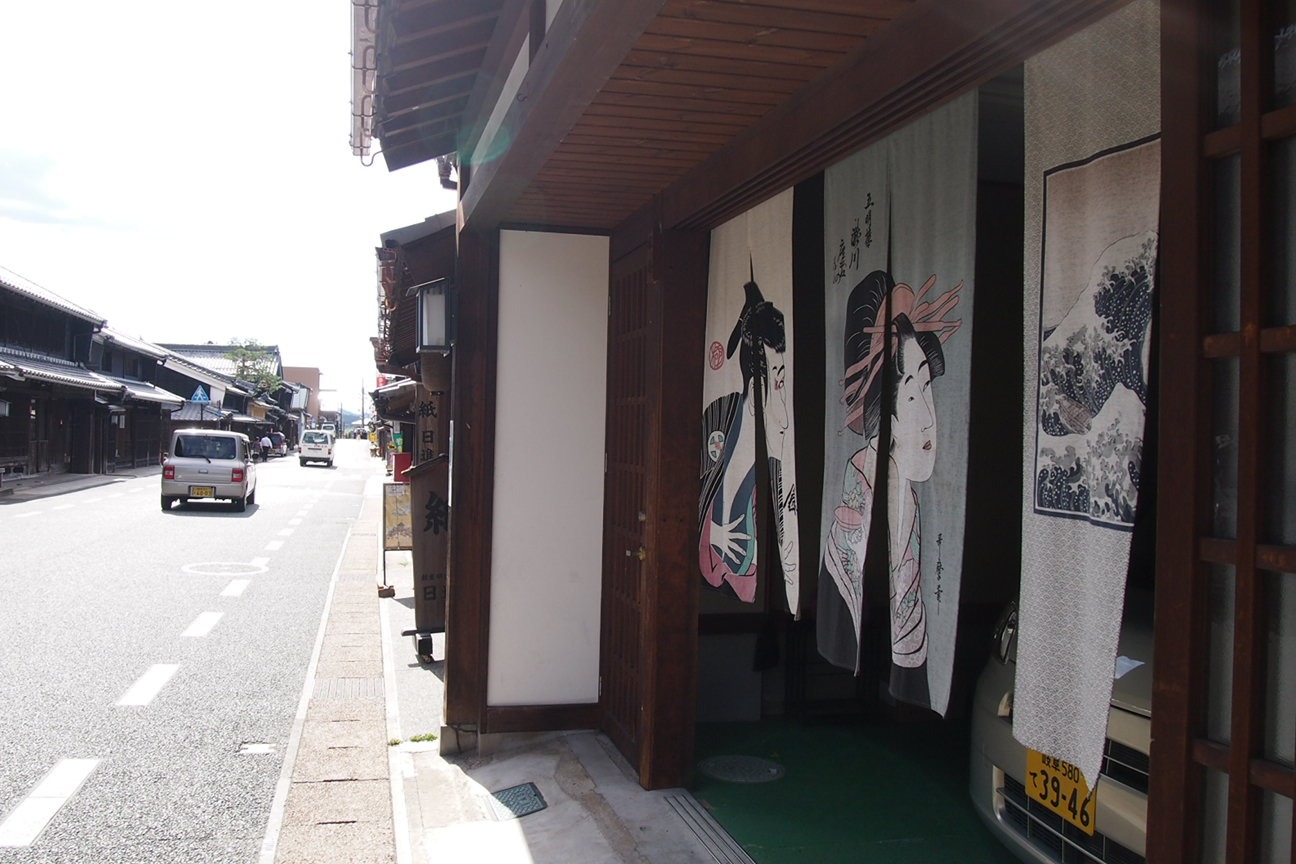
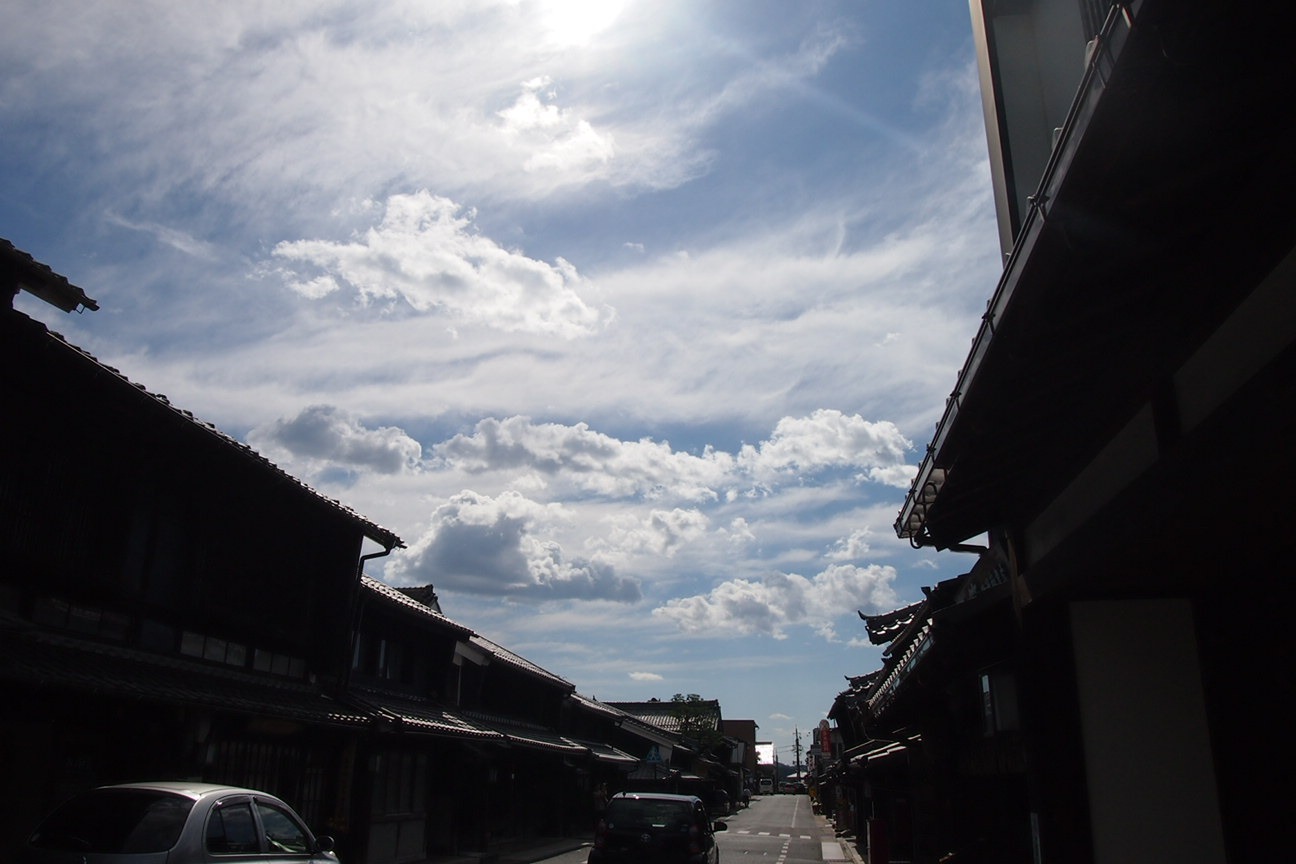
In Japan there's more than one settlement called Takayama - besides the city, there are two more villages. The city of Takayama where a shower, warm bed and pleasant young company awaited me has a population of 94K people and is located in Gifu Prefecture. I descended there from the Japanese Alps. The city is mostly single-story, peaceful and is popularly called Little Kyoto, probably because of the old town district where buildings from the Edo period are preserved.
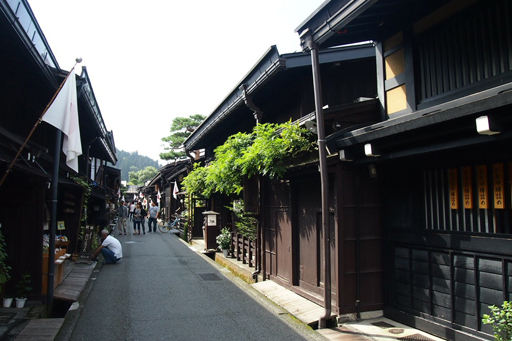
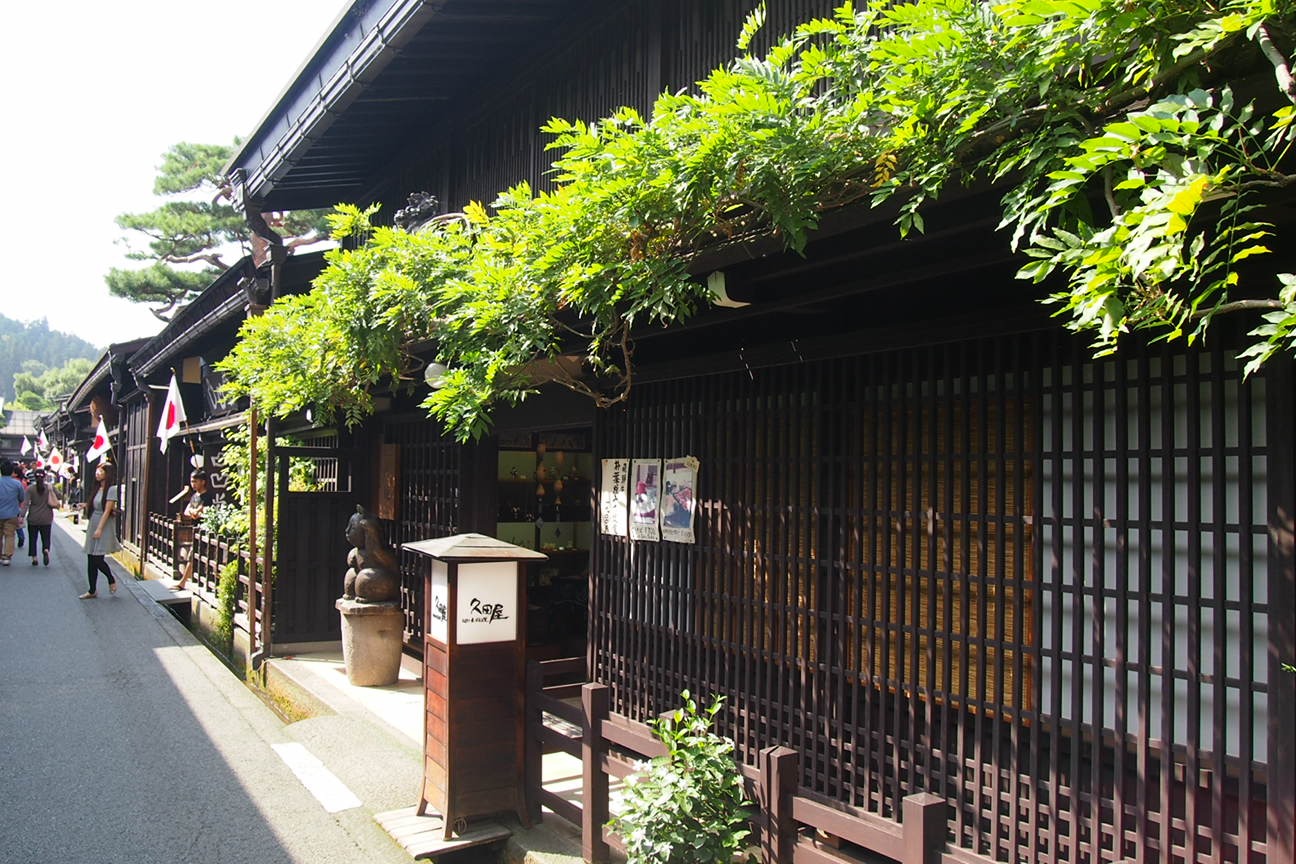
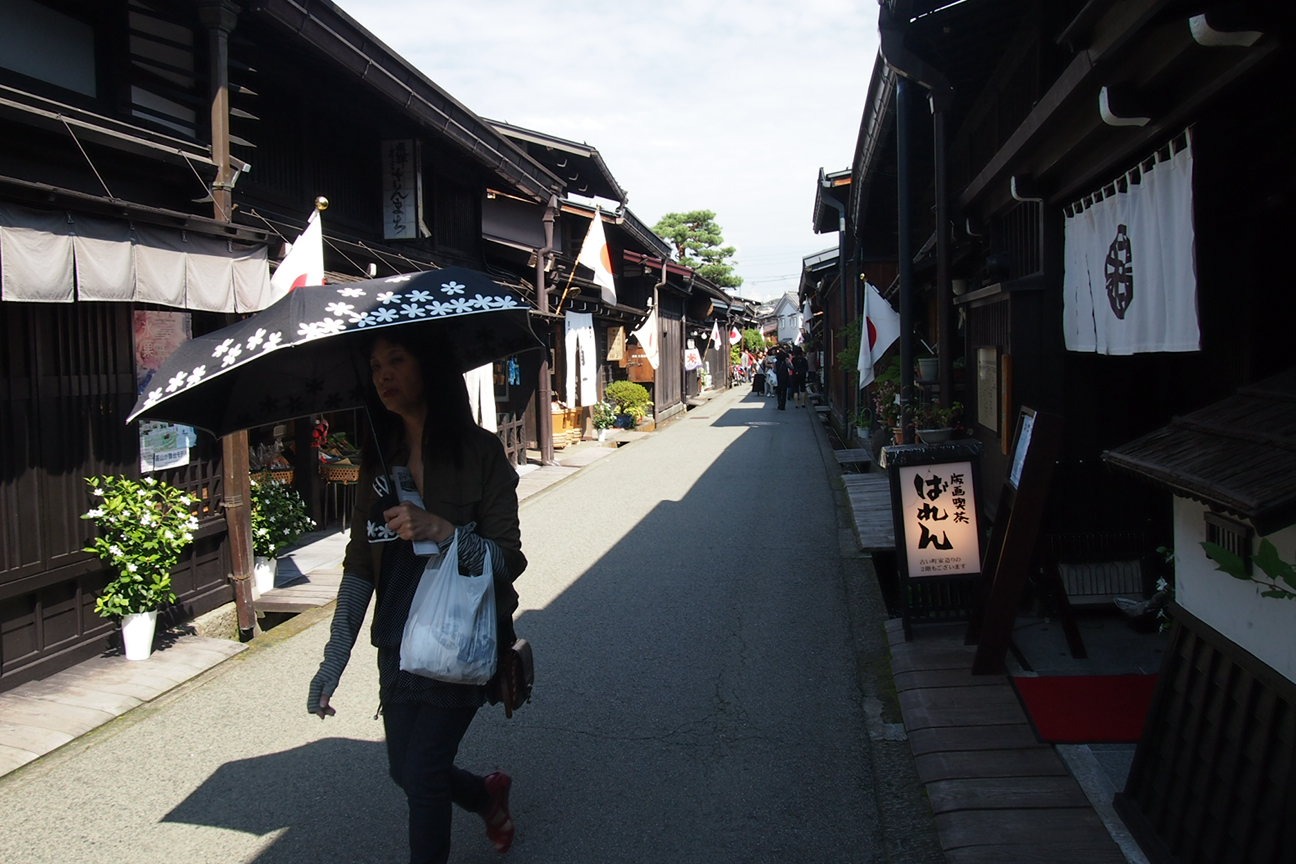
By that point, I already had a skeptical worm creeping in about the "most famous" "must-visit!" Japanese places. The old town in Takayama turned that worm into a horned beetle.
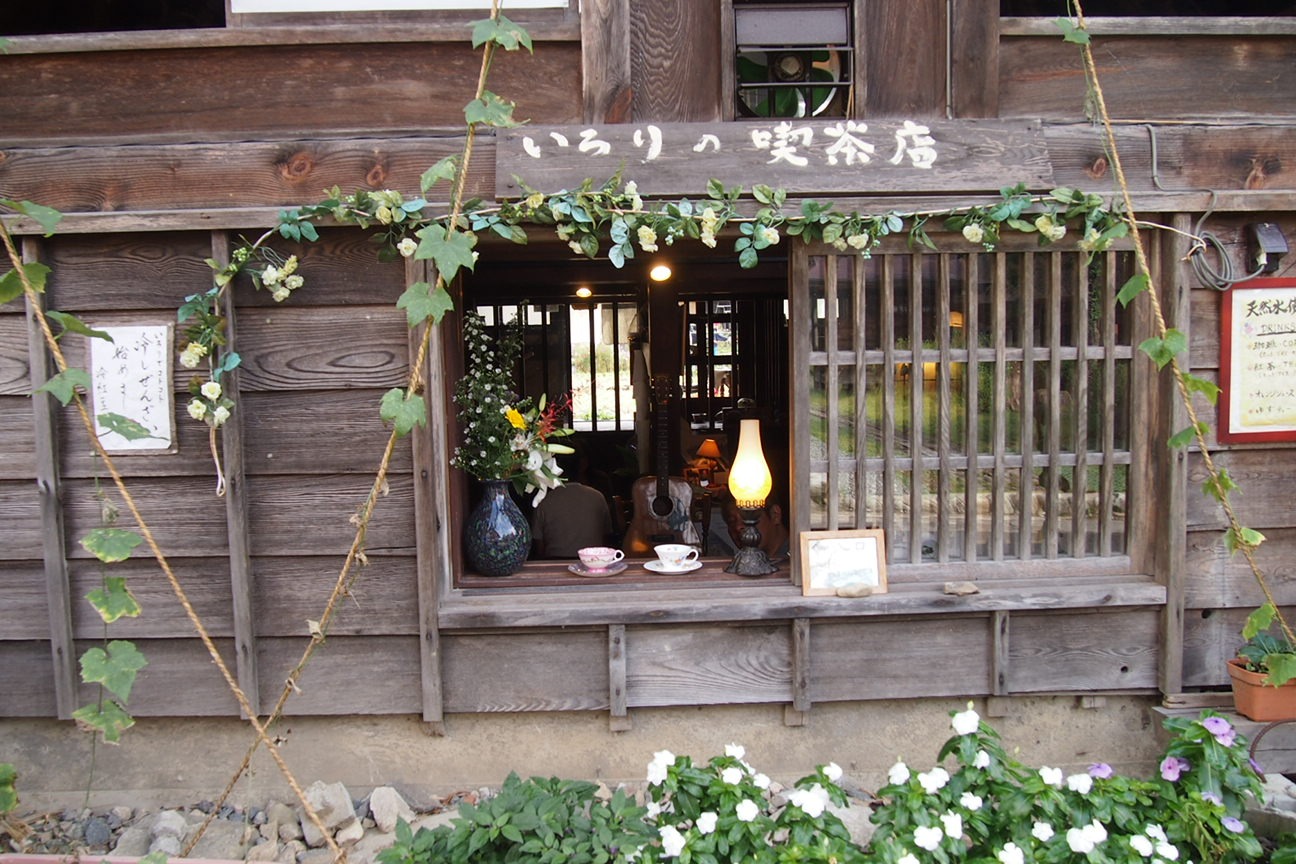
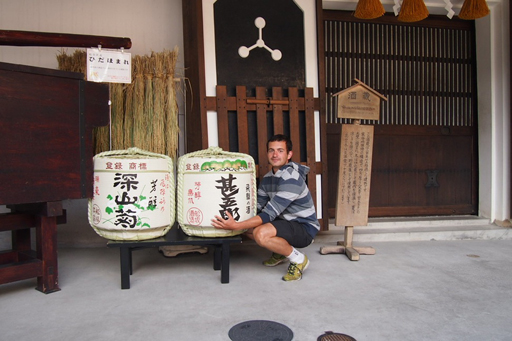
The reader, looking at the photos, will call me a bore. Indeed, what's not to like here? Looking at these photos through your eyes now, I'll agree. And I won't say that I deliberately sought out moments when the next tour bus landing party would disappear around the corner. In Japan there are many places where you can observe buildings in this style without the wandering tourist masses and the jingling of coins in souvenir shops.
But here are my thoughts. If you're looking for a way to make money, open up an attraction in your city. Find a hut, put an elderly married couple in there. Let the woman wail more cheerfully, throwing freshly molded bagels into the oven, while the grandfather with a thick beard chops out a balalaika from a birch log with an axe. Stage two - announce this to the world. Modern tourists more often use internet guides like lonely planet or get information from themed portals. Enter your attraction into these guidebooks - you'll have to pay in some places, but trust me, it's worth it. You can order a couple of articles in blogs. With print publications everything's more complicated, but they'll soon die out under the onslaught of the 21st century, so leave them be.
So, your attraction is marked in the guidebook as a miraculously surviving oasis of ancient Rus in Tatarstan (in Kamchatka, Primorye, Karelia - anywhere). At this time somewhere in distant England, Sir Harrison, planning a vacation in Russia with his lady, turns to one of the popular internet portals and stumbles upon your flower in the concrete jungle.
"Look here, you can buy real Russian bagels that are baked right in front of you by a Russian village woman." (isn't that true?) The miracle's address goes into the notebook, and while Harrison rolls his suitcase over the uneven asphalt of your city looking for a hotel, you need to make a few more preparations to cash in. So the hut is in all its glory, built according to all the rules of Russian style. To the left of the woman, the whole wall is covered in nails with strings of ready bagels hanging on them. To the right of the grandfather is a stand with balalaikas. What else is needed? Sacrifice your ideas about aesthetics and style, put a huge papier-mâché ice cream cone at the entrance to the hut. What else? Vodka, keychains with the hut, keychains with the grandfather, woman, bagels, oven, postcards, t-shirts - all this is sold with huge markup and brings profit. Harrison, having gotten his impressions and stocked up on "special bagels" for relatives and friends, wouldn't mind sitting on a bench in the shade and eating ice cream. And who cares about the authenticity of your hut? There are cool photos, souvenirs, atmosphere obtained.
Of course, there's plenty of sarcasm in what I said and not everything is so smooth, but that's the general direction. If you go to Japan with the goal of tasting Edo architecture, feeling the atmosphere, then head to the city of Hagi in Yamaguchi Prefecture or turn off the main road on the way to Gifu, Nagoya, somewhere around the unknown Mino, Seki.
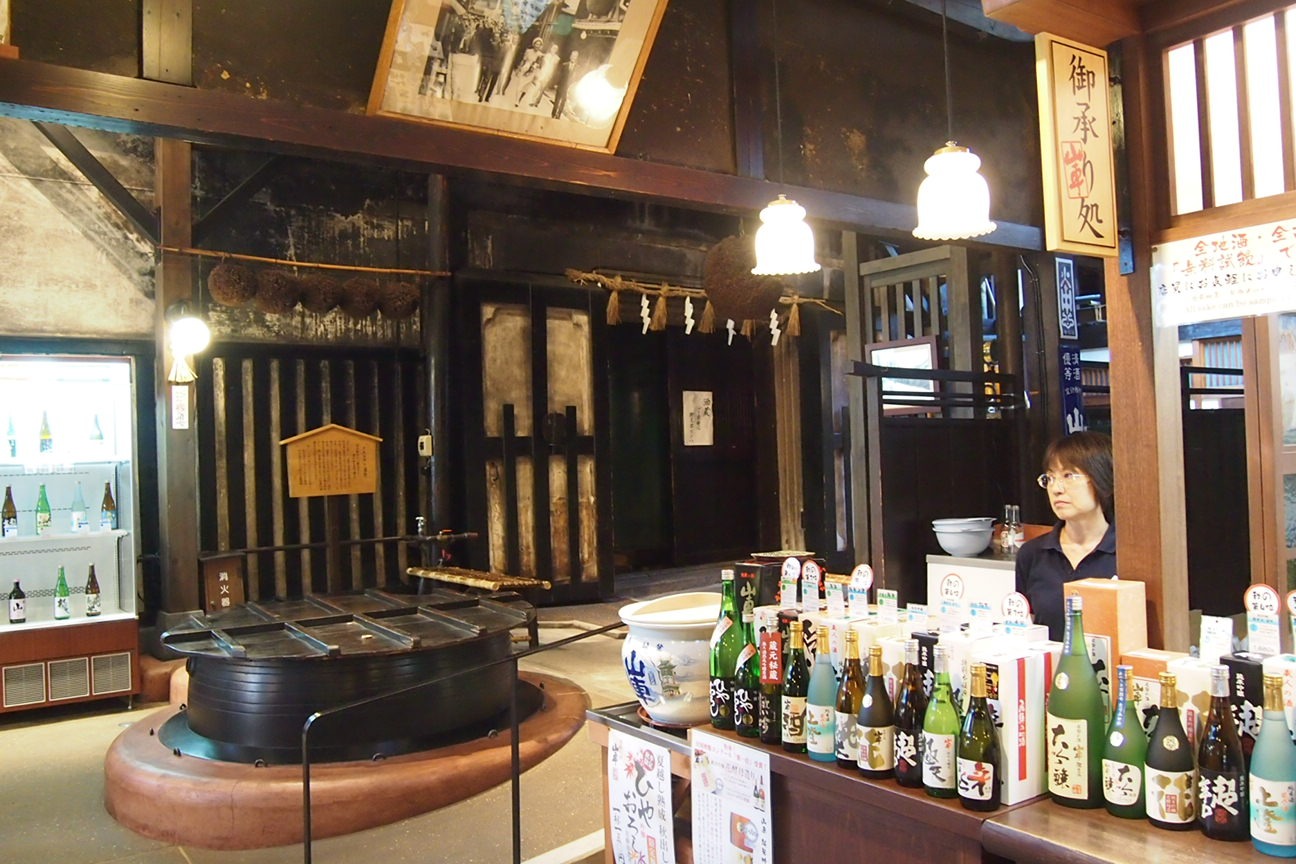
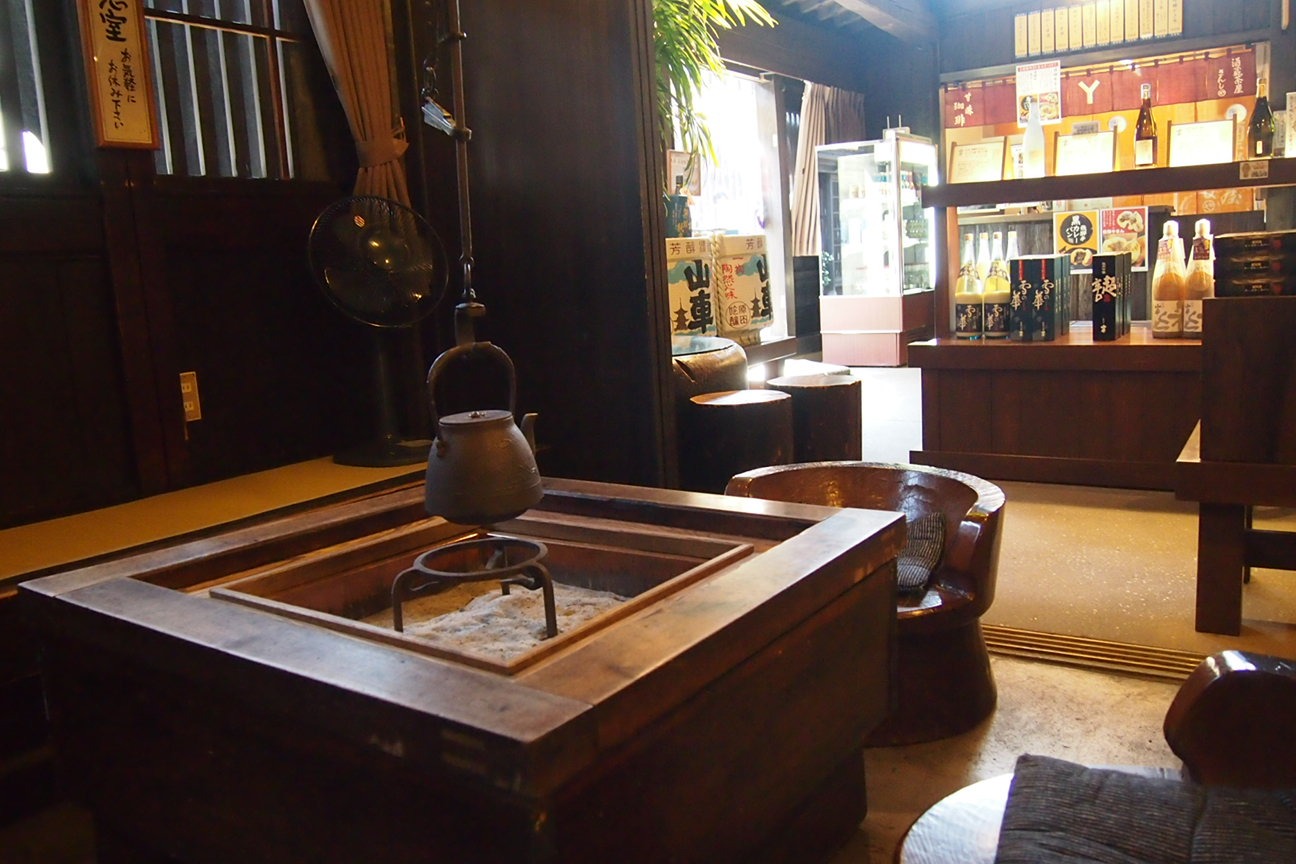
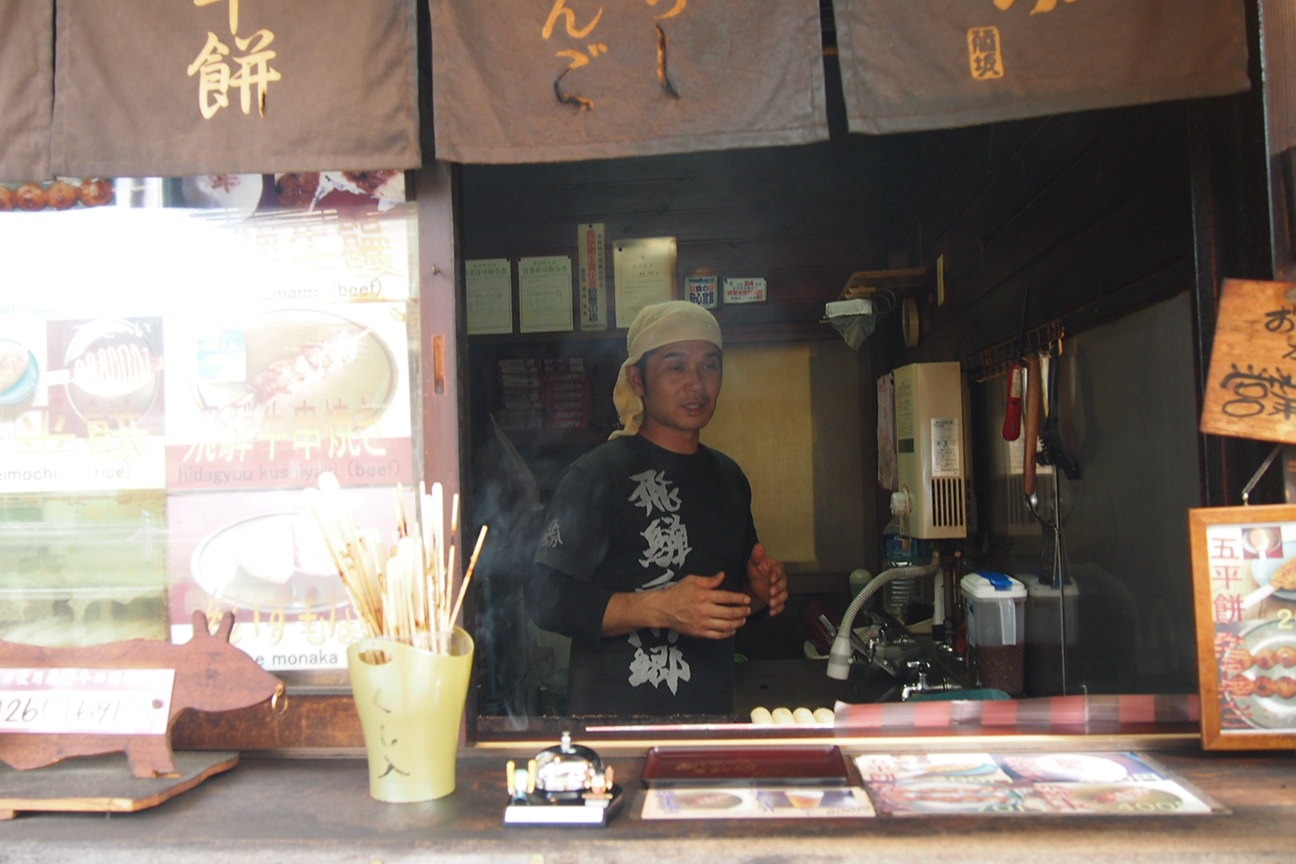
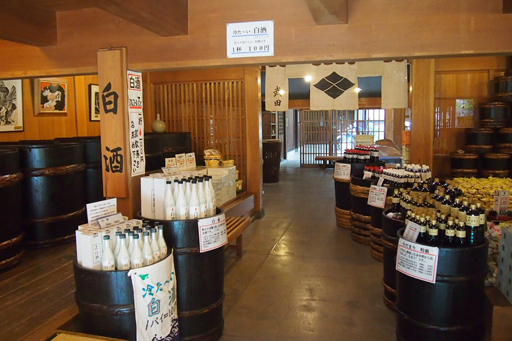
Having finished spilling bile for today, I'll tell you a bit about Takayama. The area is very beautiful and has several interesting attractions. You can basically eat for free here, tasting everything from miso soup and pickles to traditional sweets and sake. There's a lot of the latter here - the area has three colorful factories that produce it. This is done in winter for the whole year. There are many types of sake, and I even got drunk early in the morning out of curiosity.
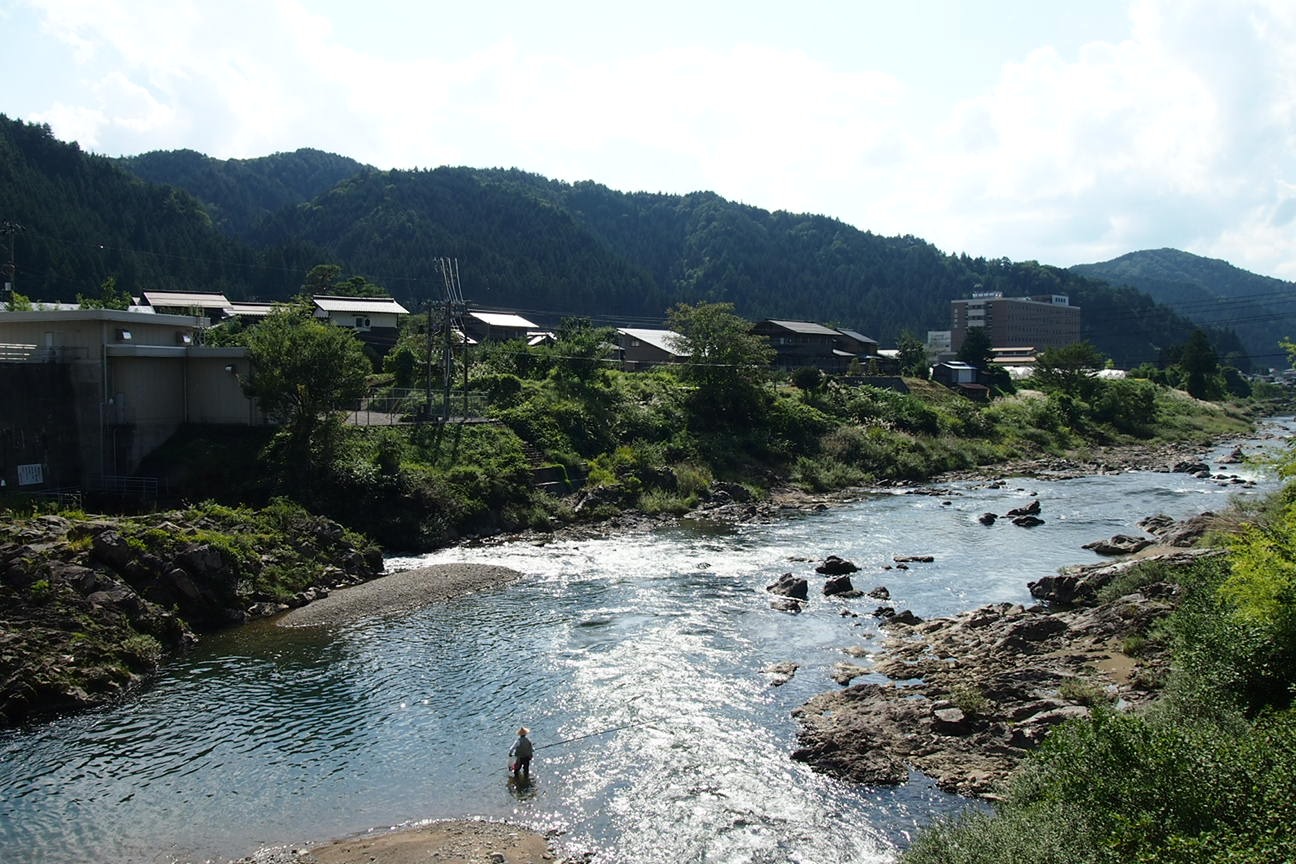
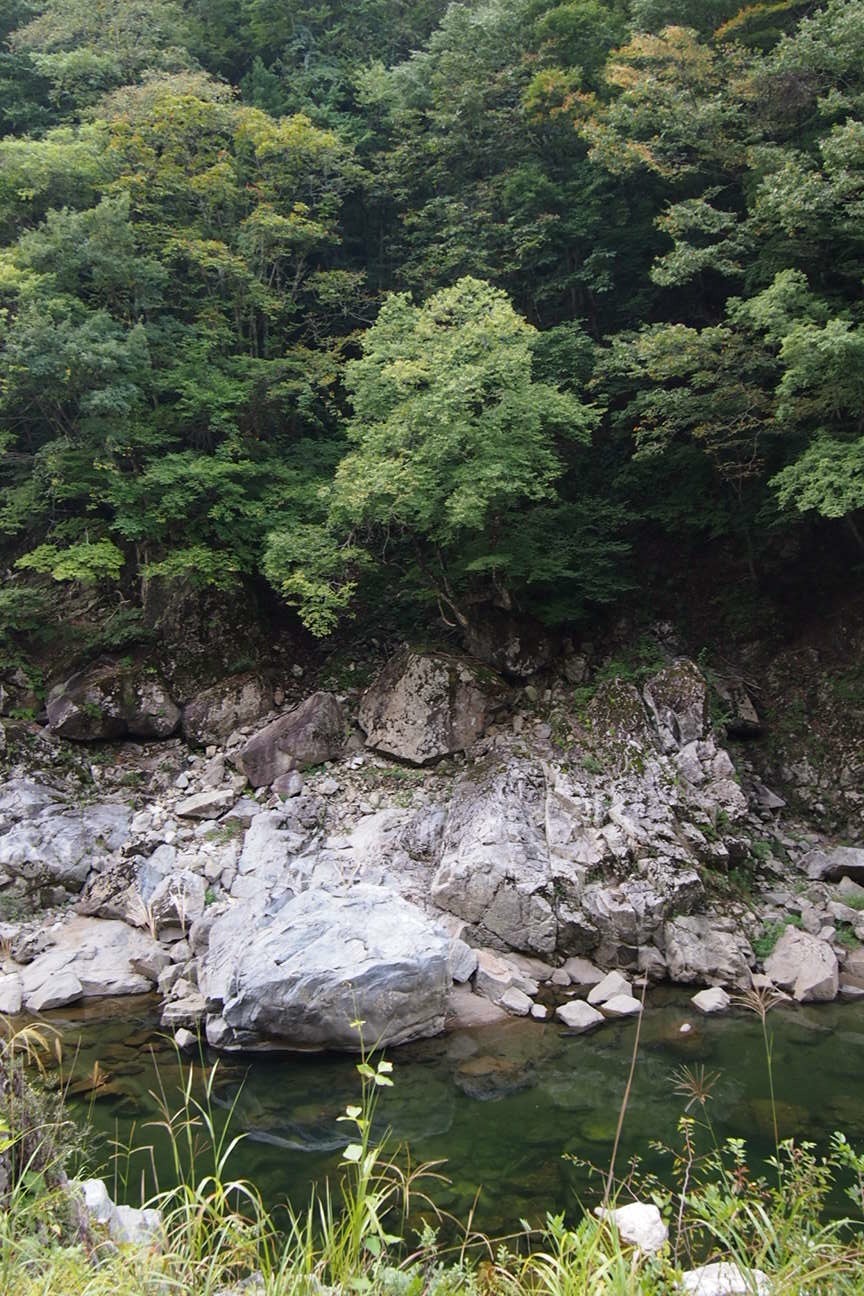
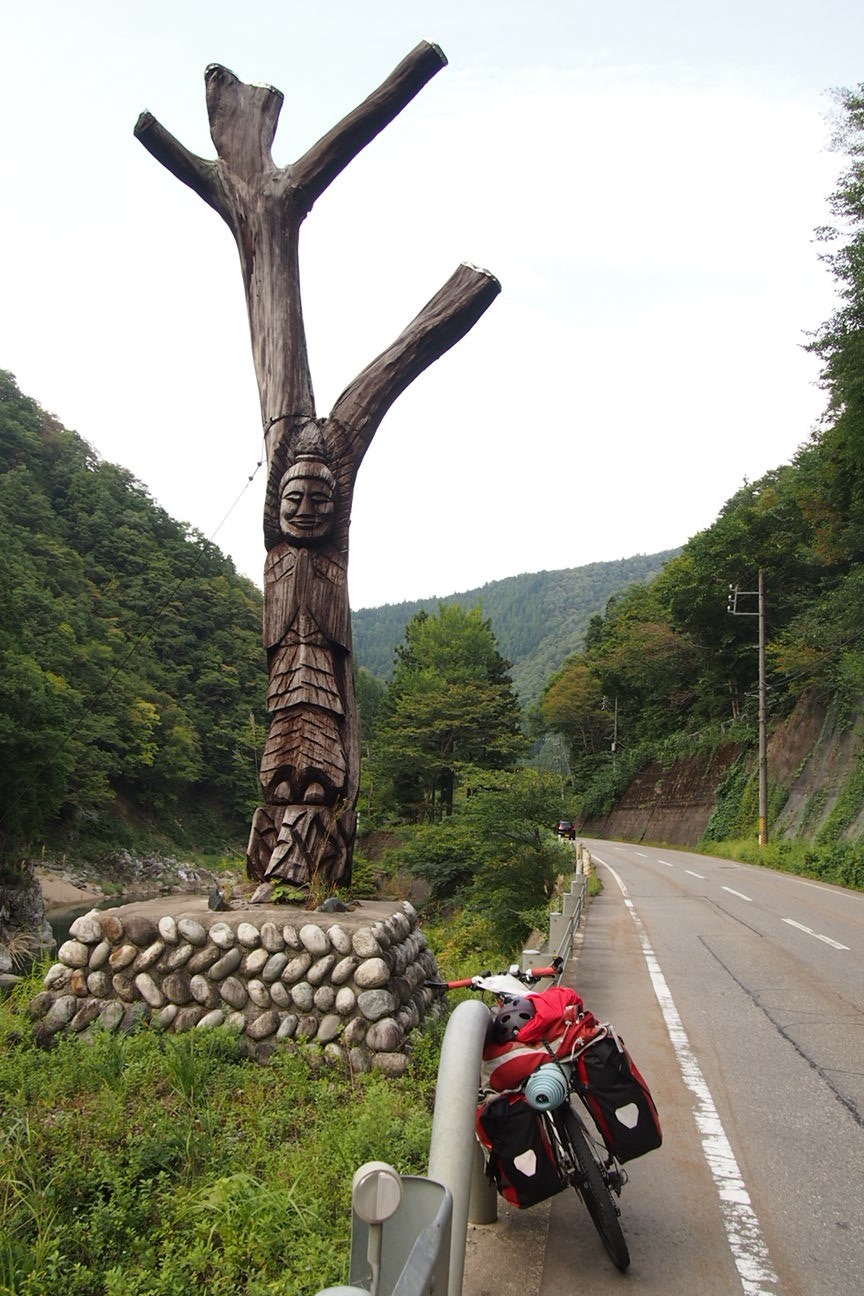
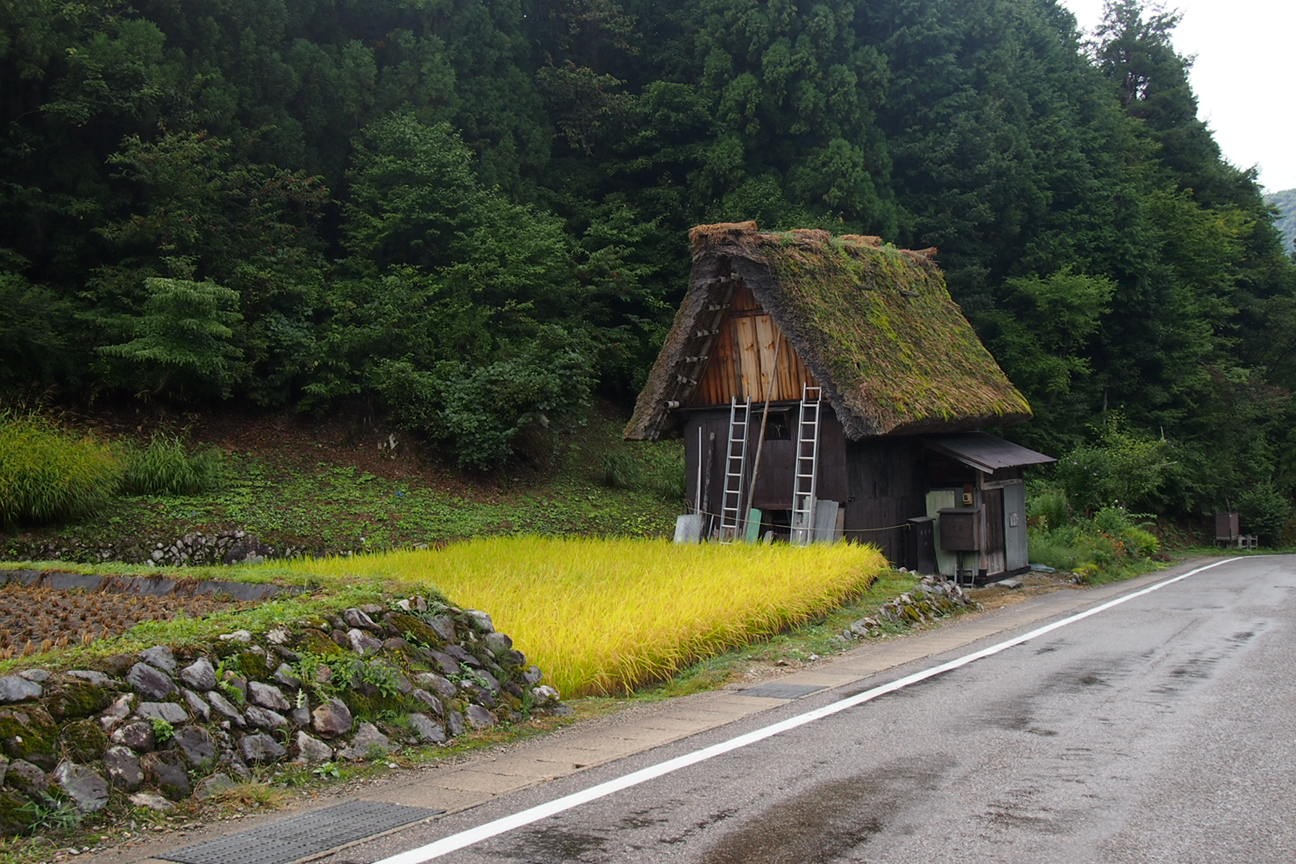
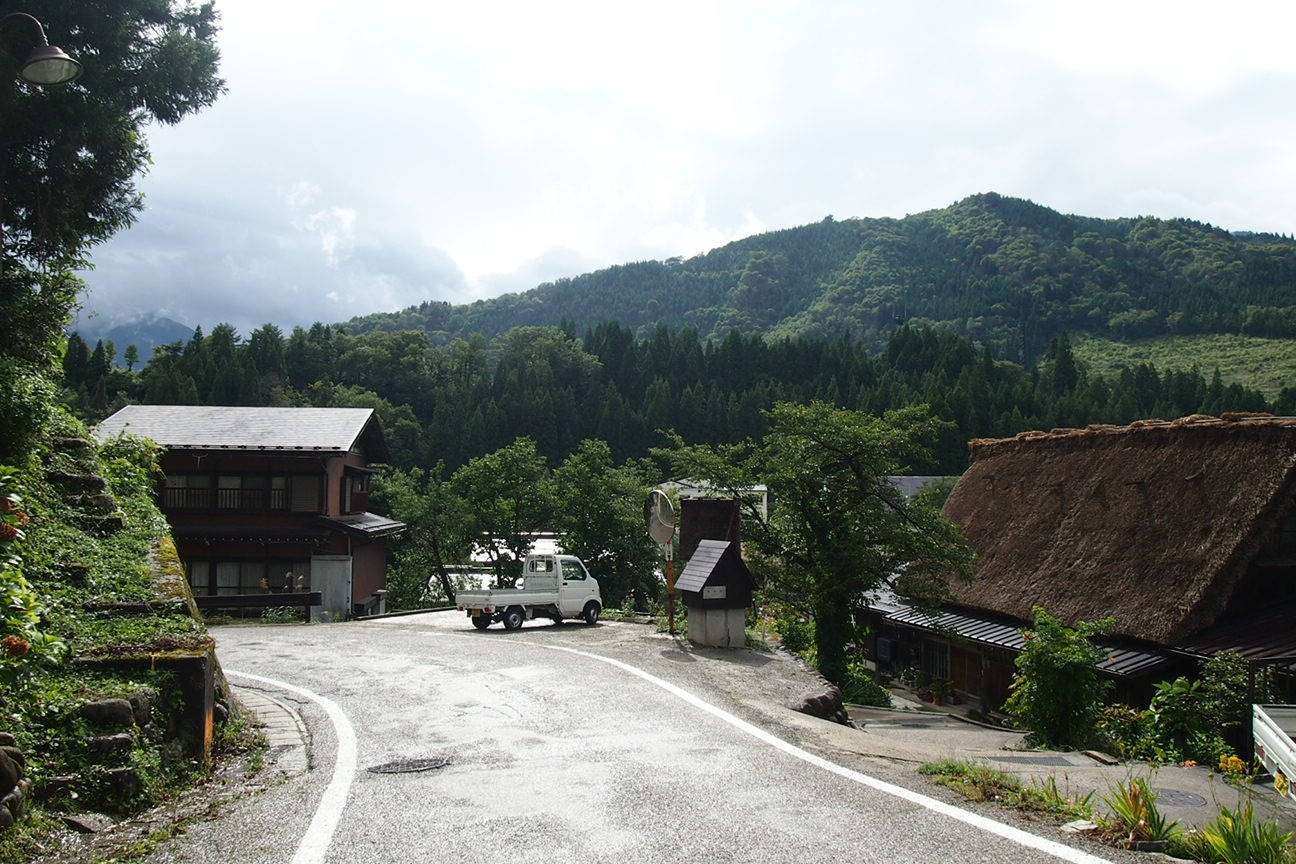
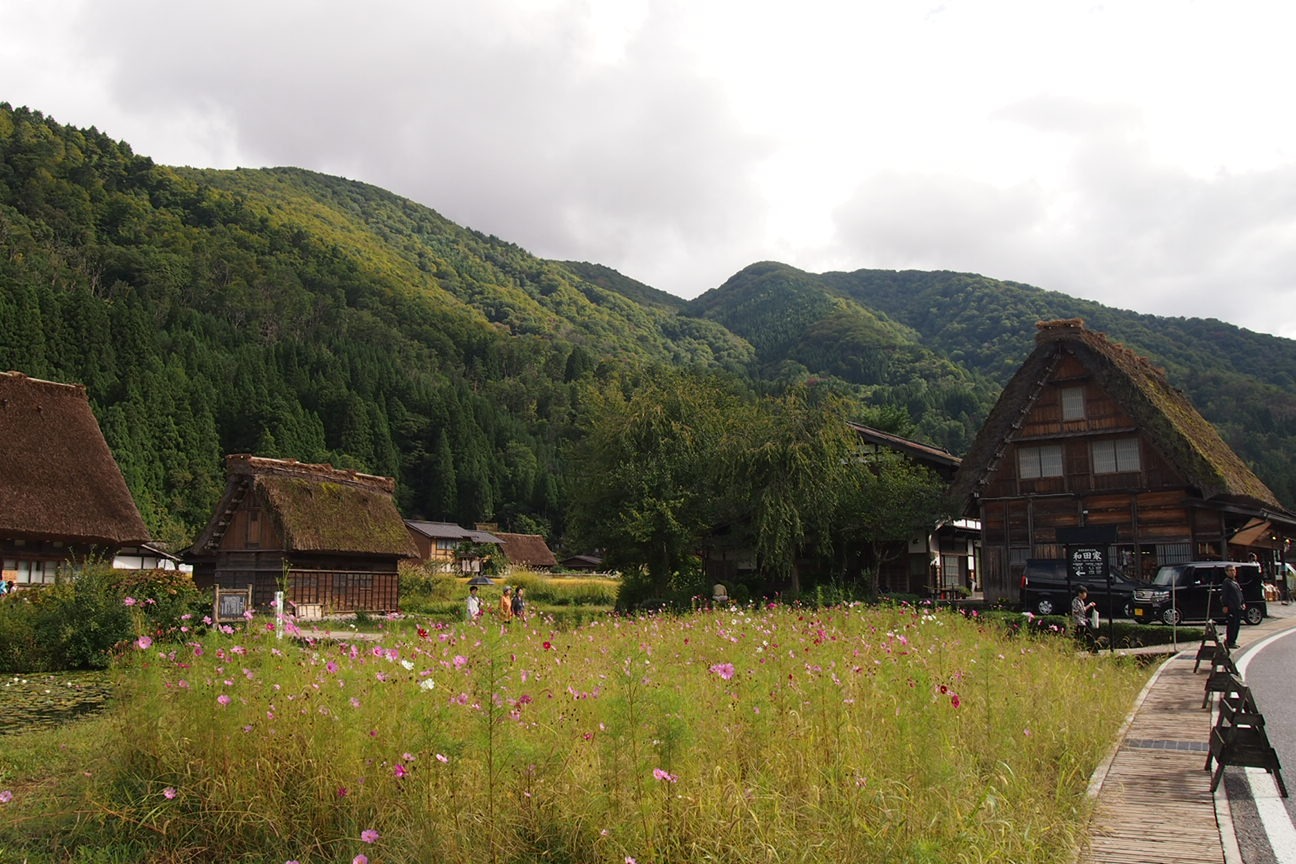
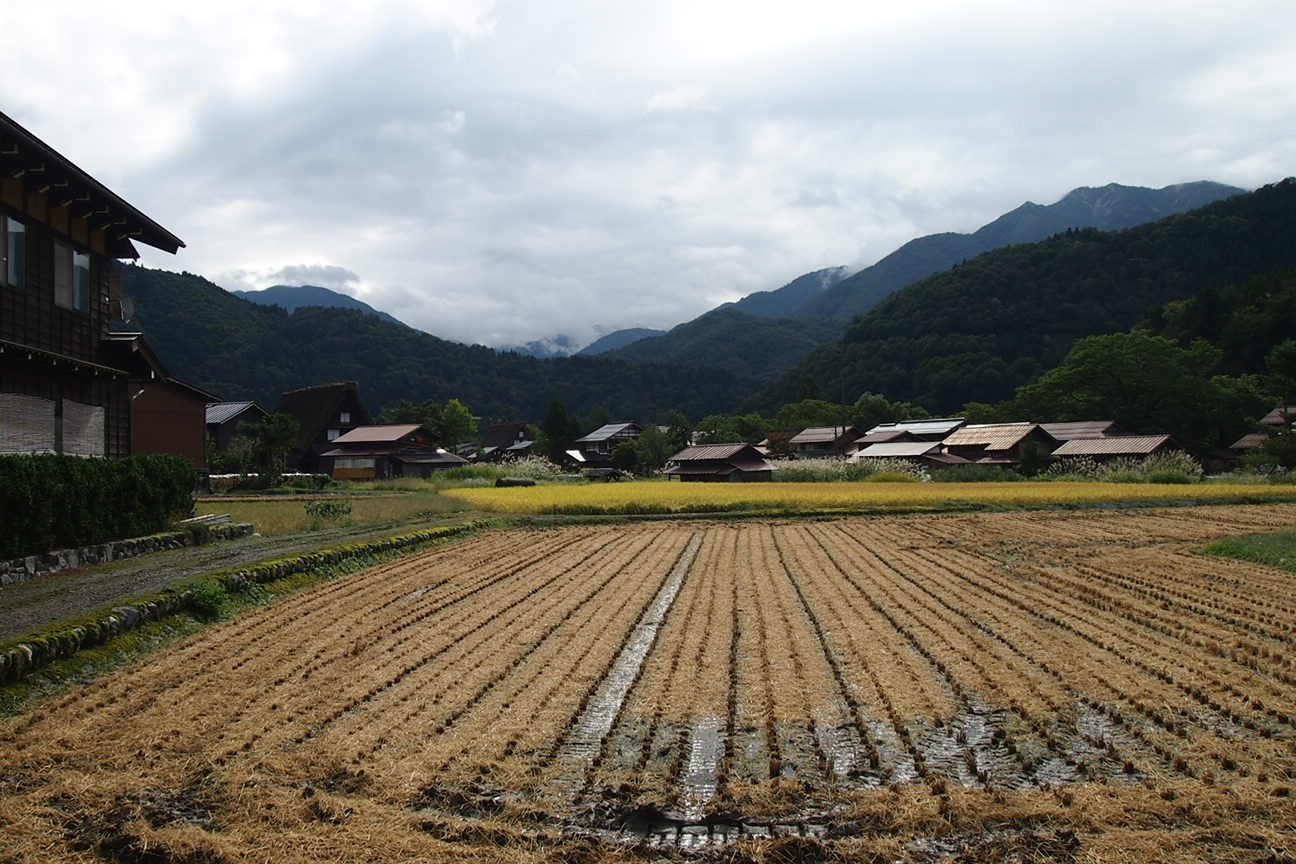
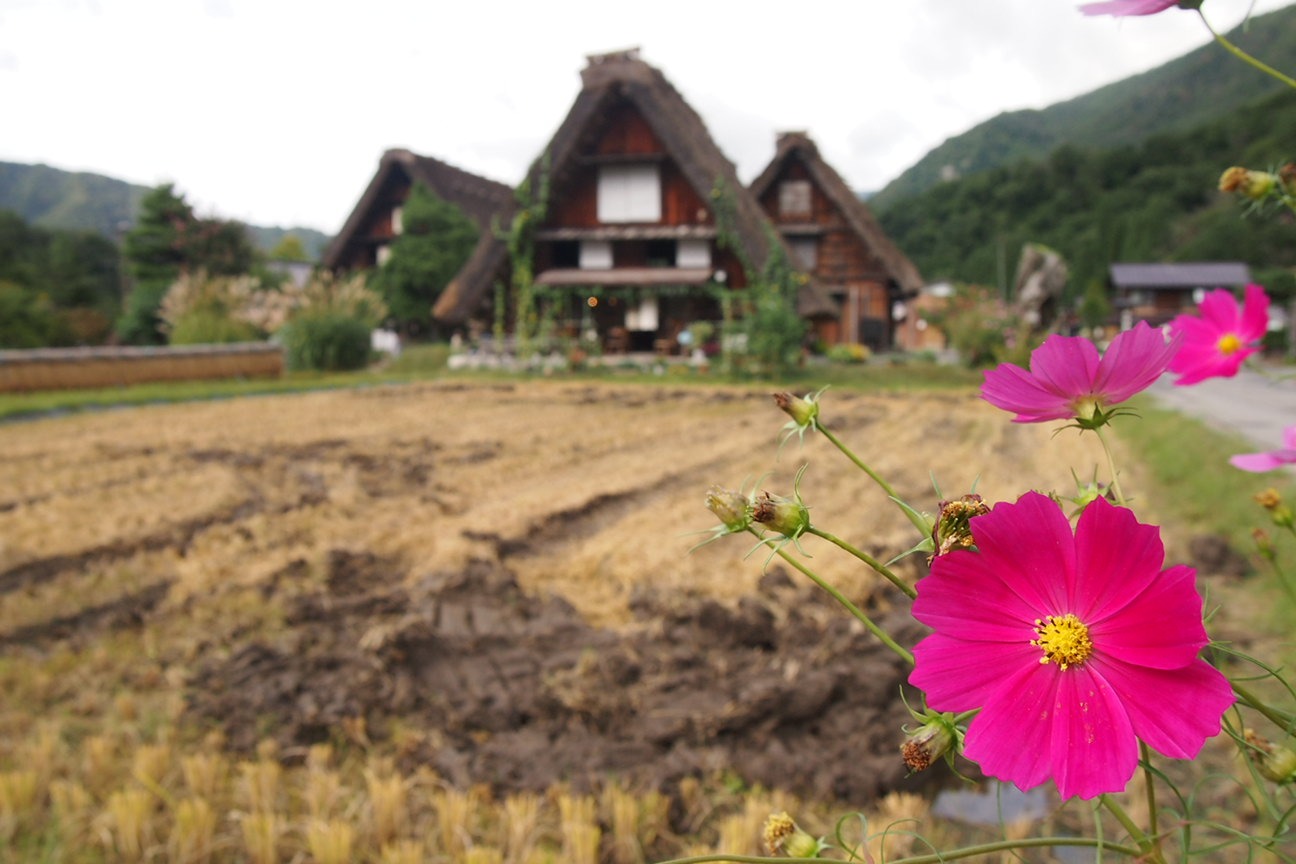
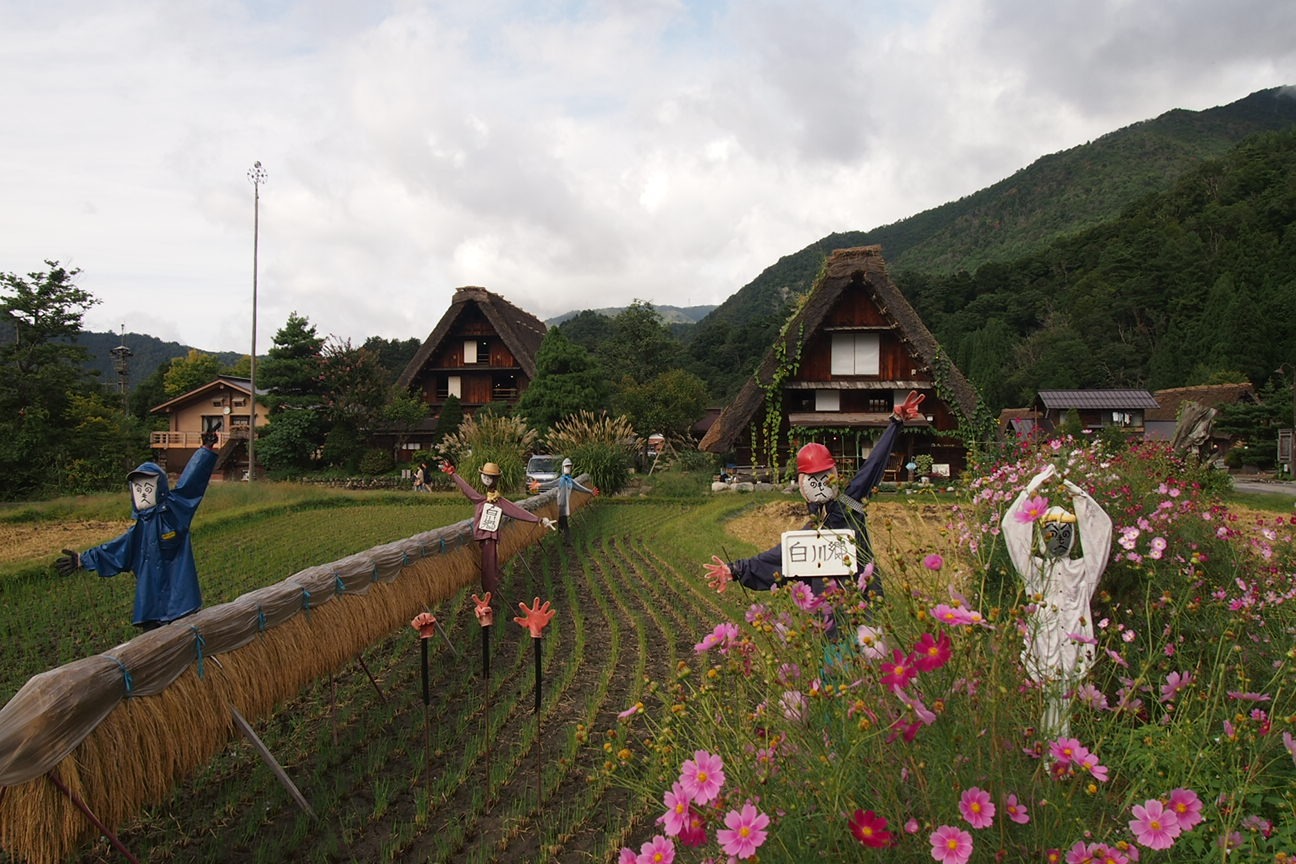
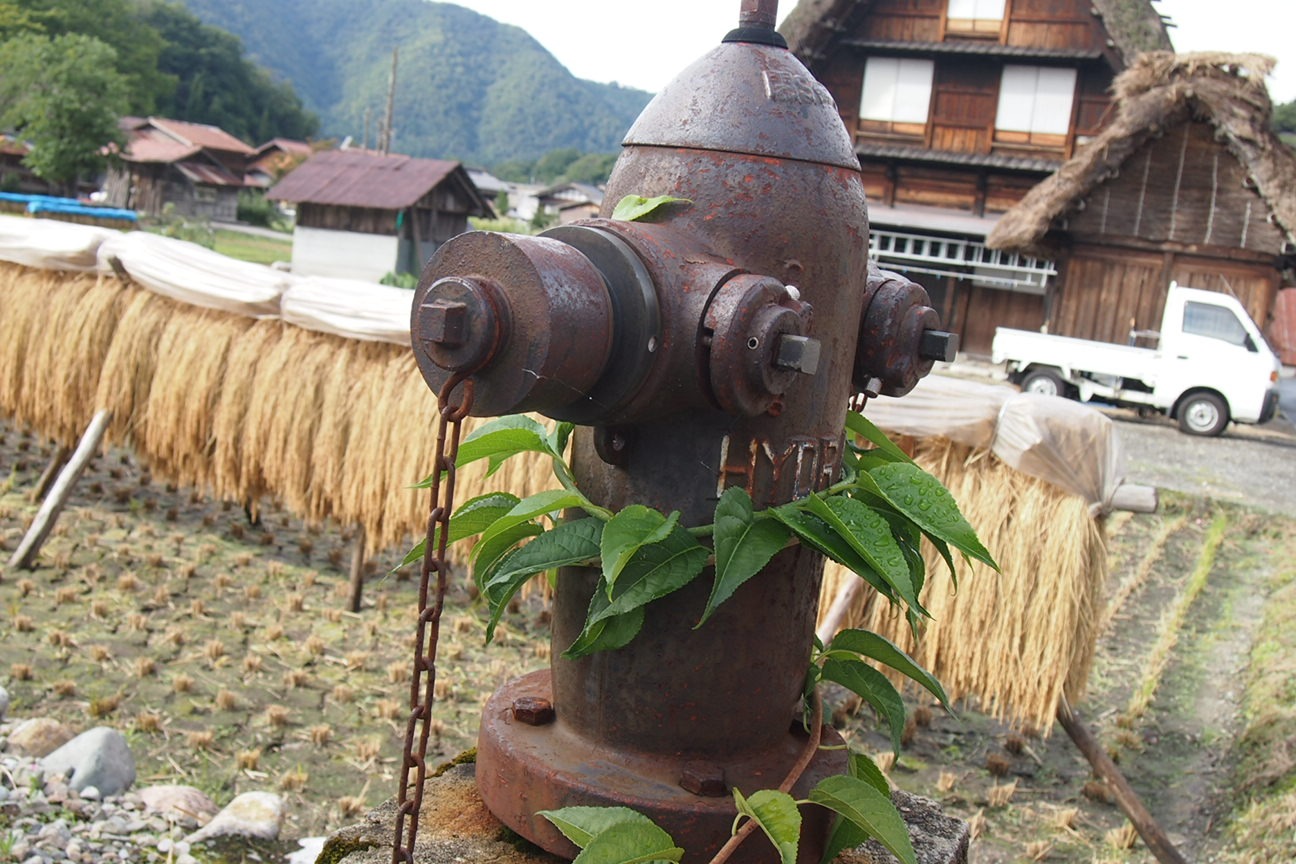
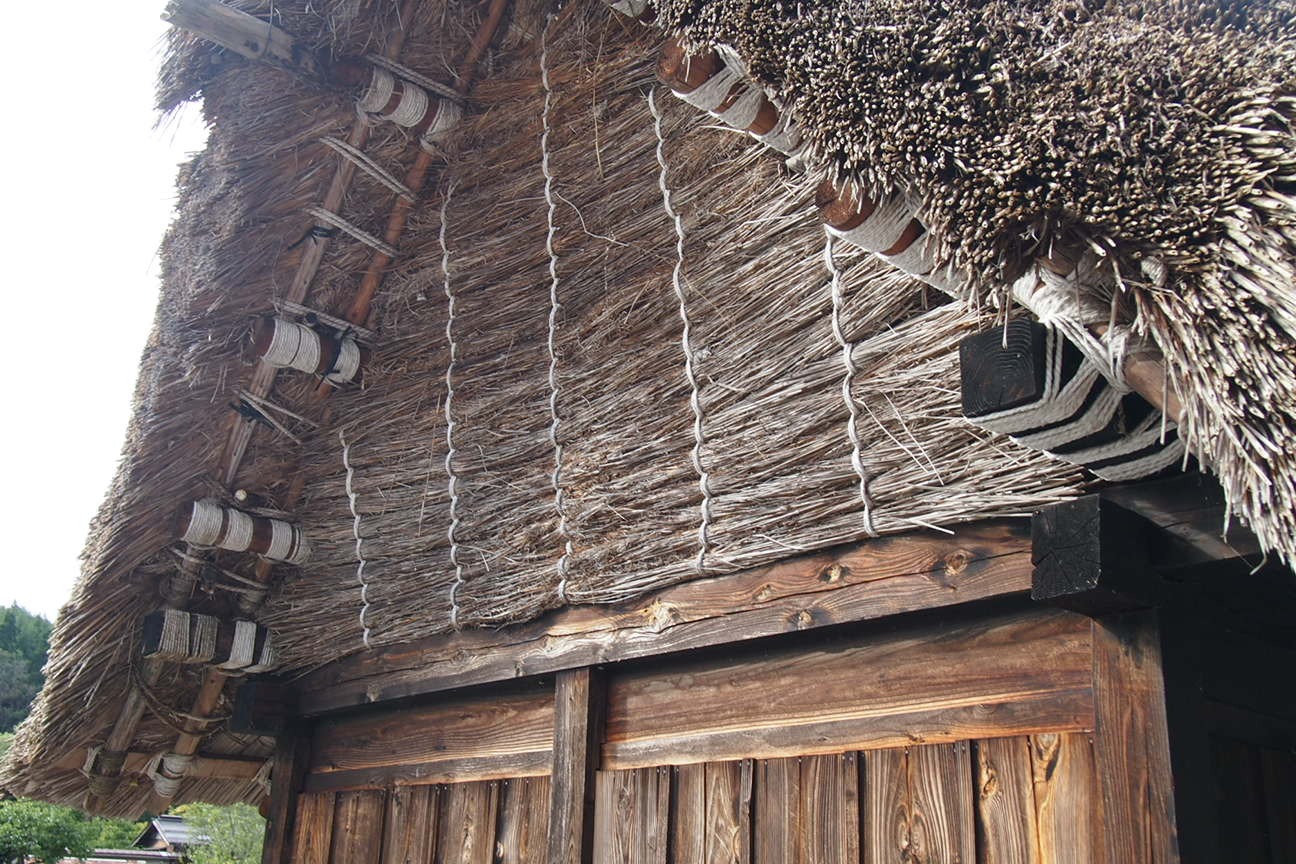
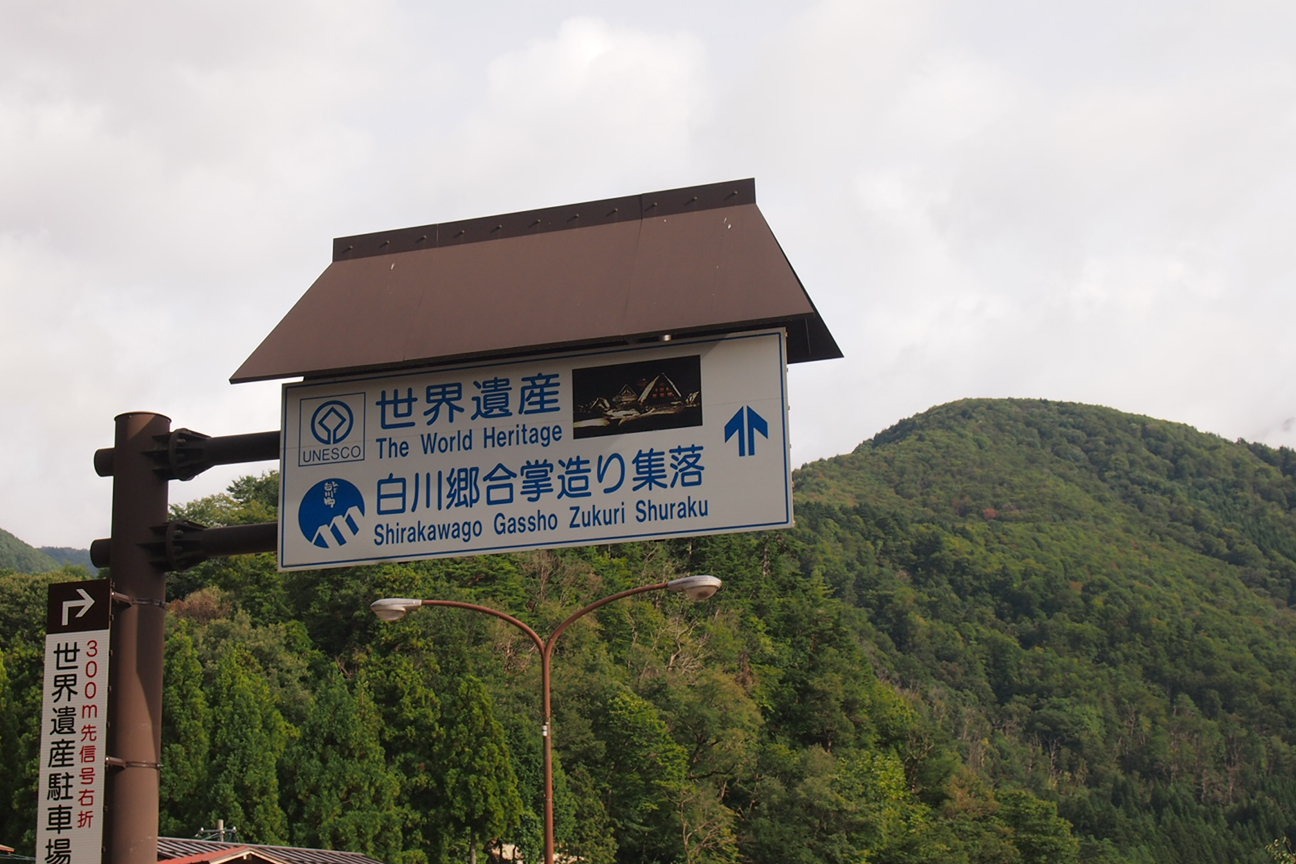
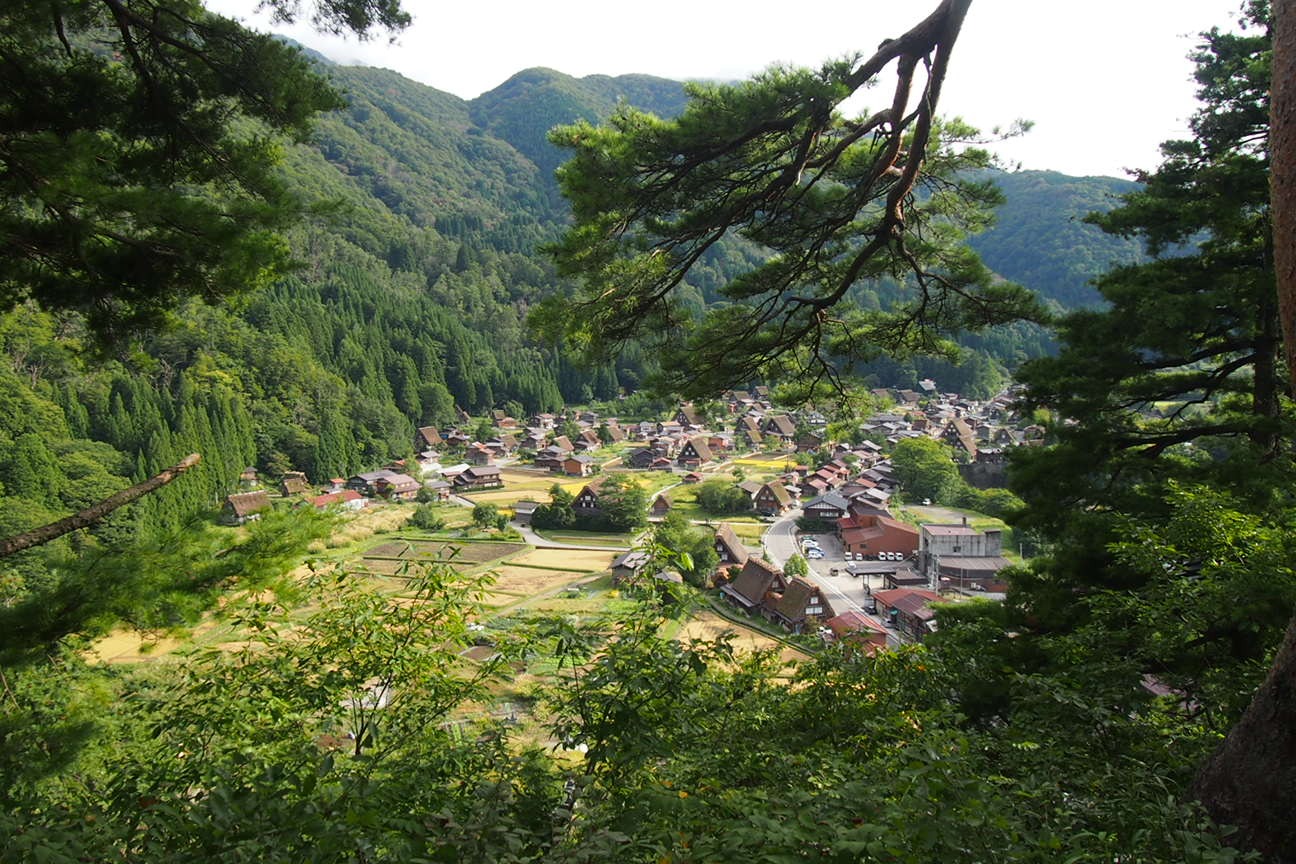
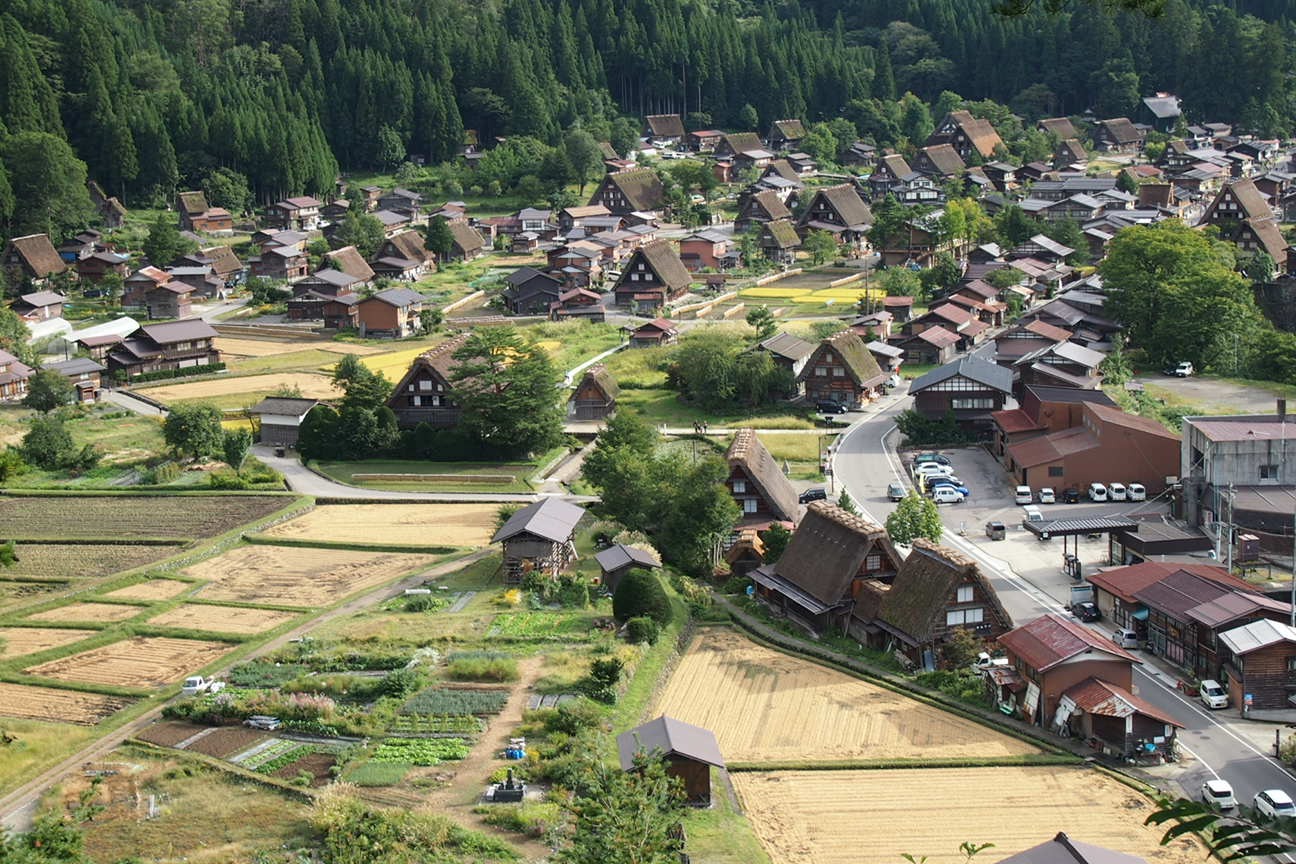
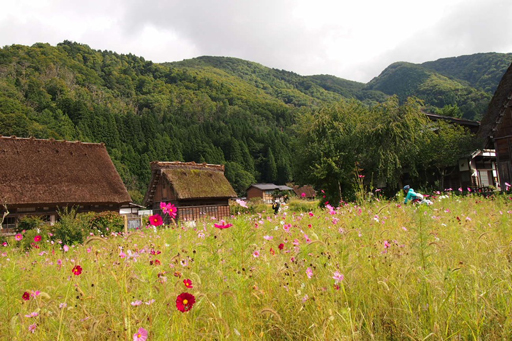
On the road to Gifu there's another interesting place. The village of Shirakawago (the editor underlines the word and suggests replacing it with Sharikovo... haha). Anyway, Shirakawago is a village in the heart of mountain ranges with traditional Japanese roofs. The road to it runs along the equally picturesque Shokawa River. In Japan, humans get along perfectly with nature and despite the fact that a busy highway runs along the river and settlements are located on the banks, there are fish in the river - big, meaty ones. Eagles and herons fly around.
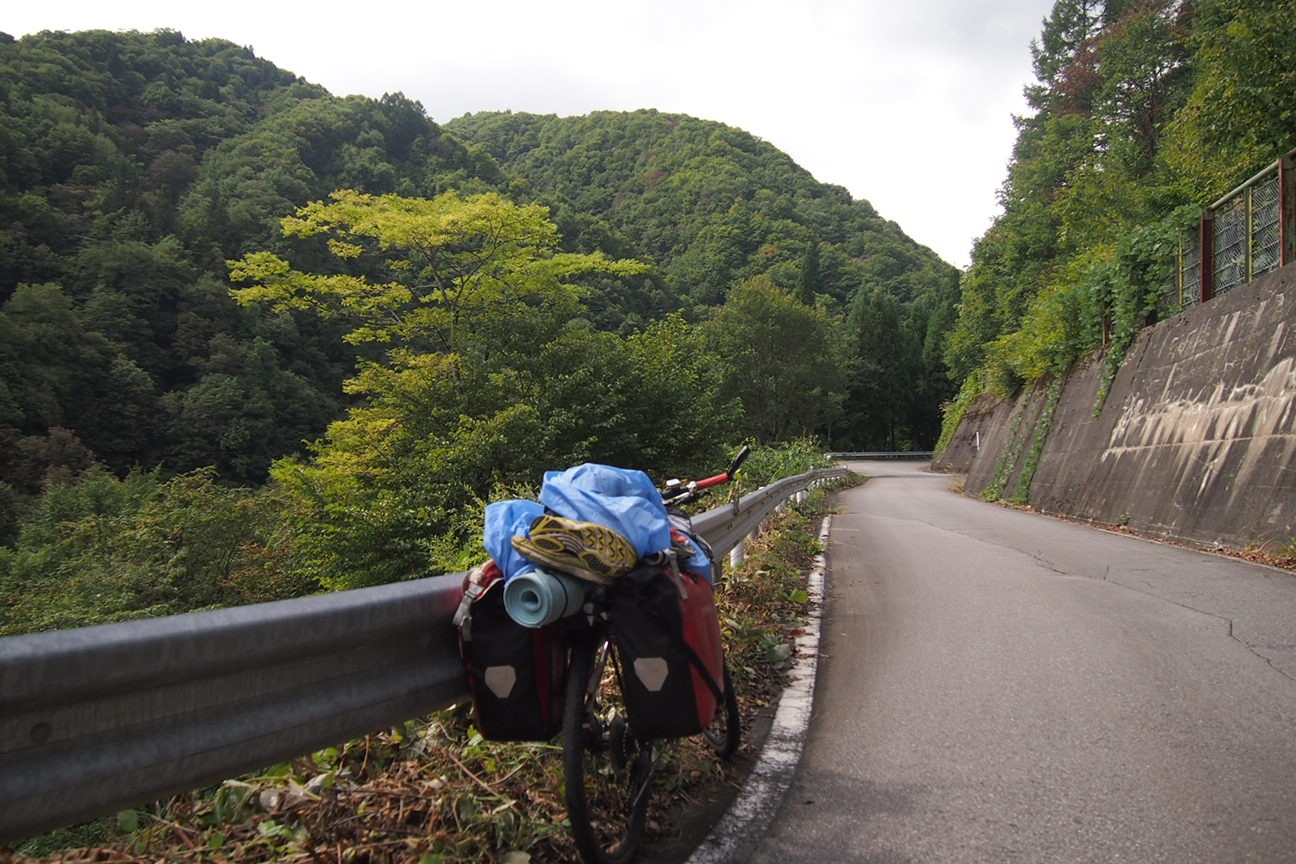
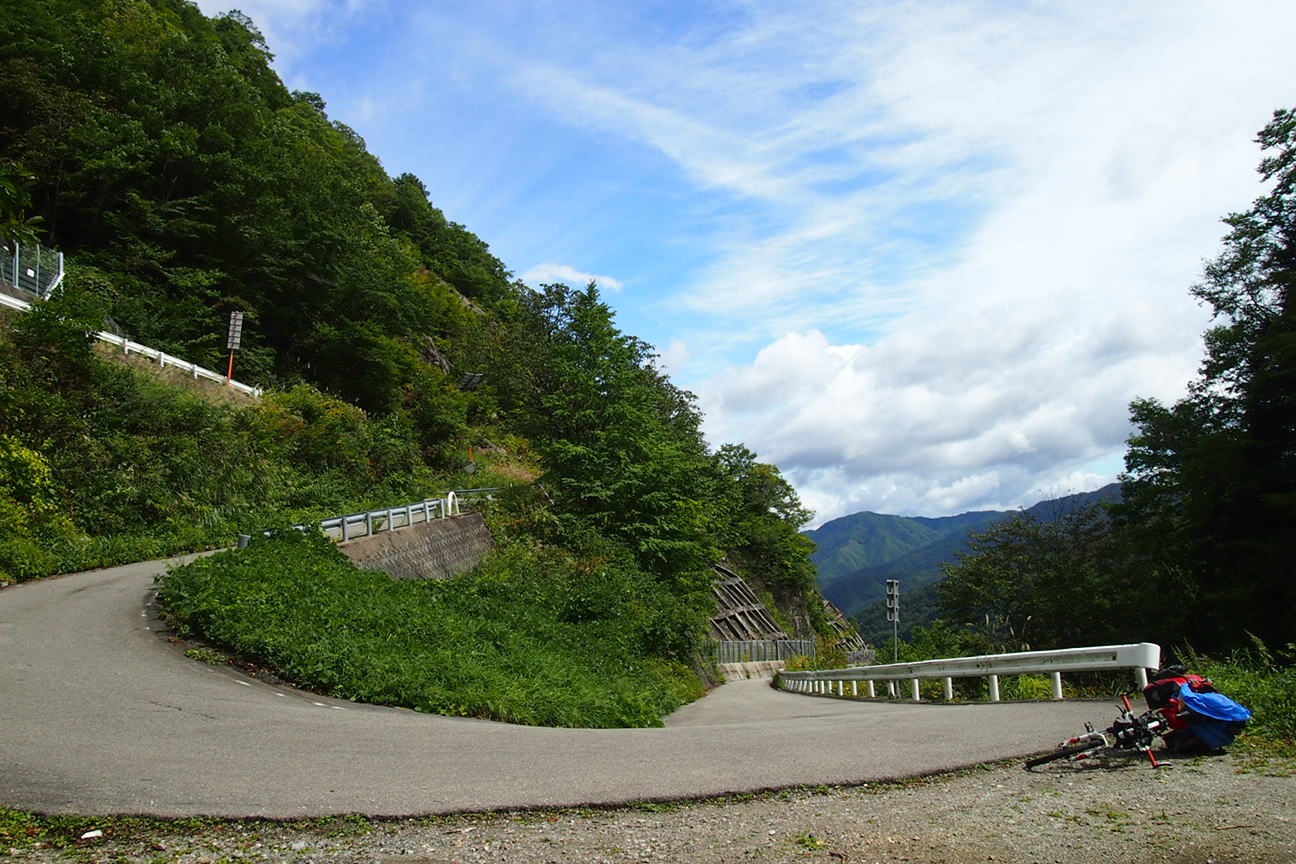
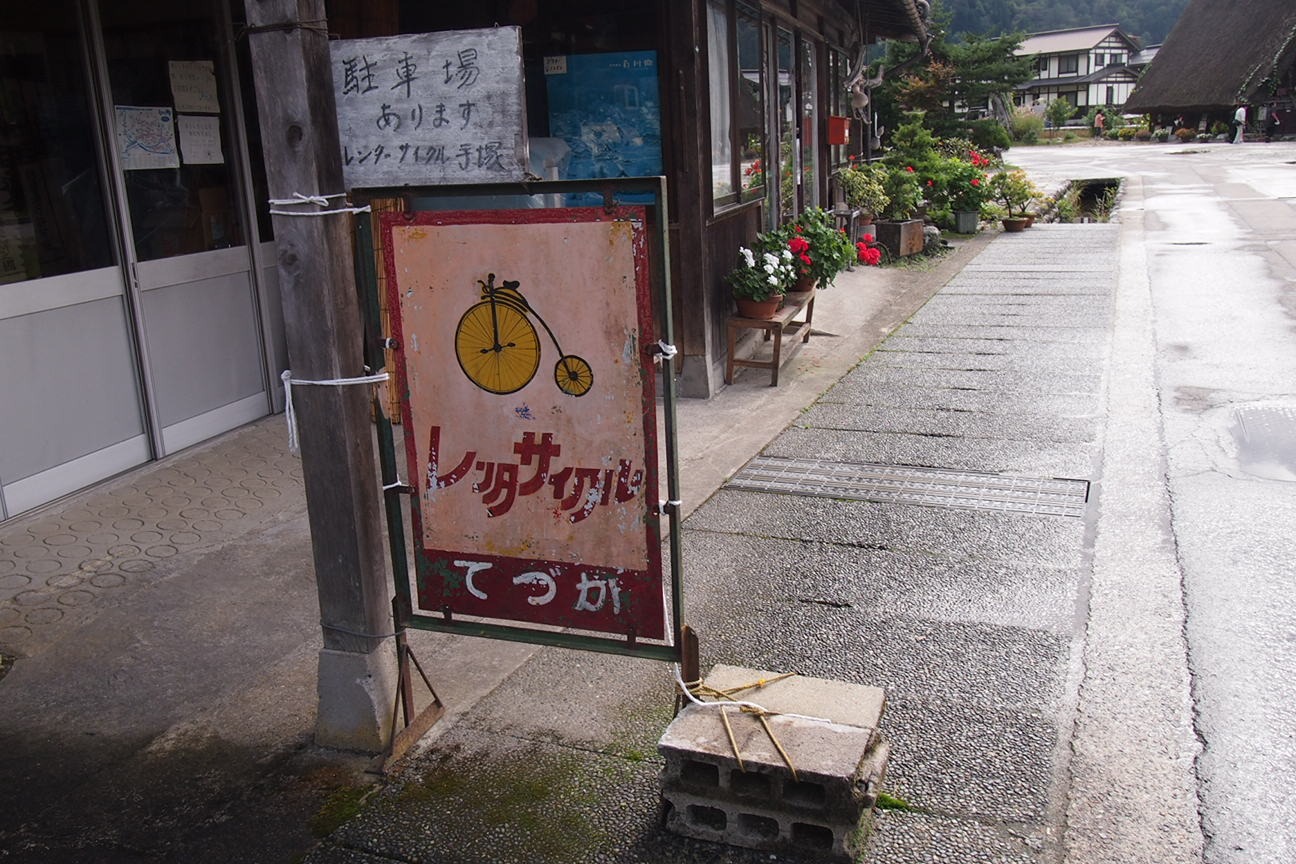
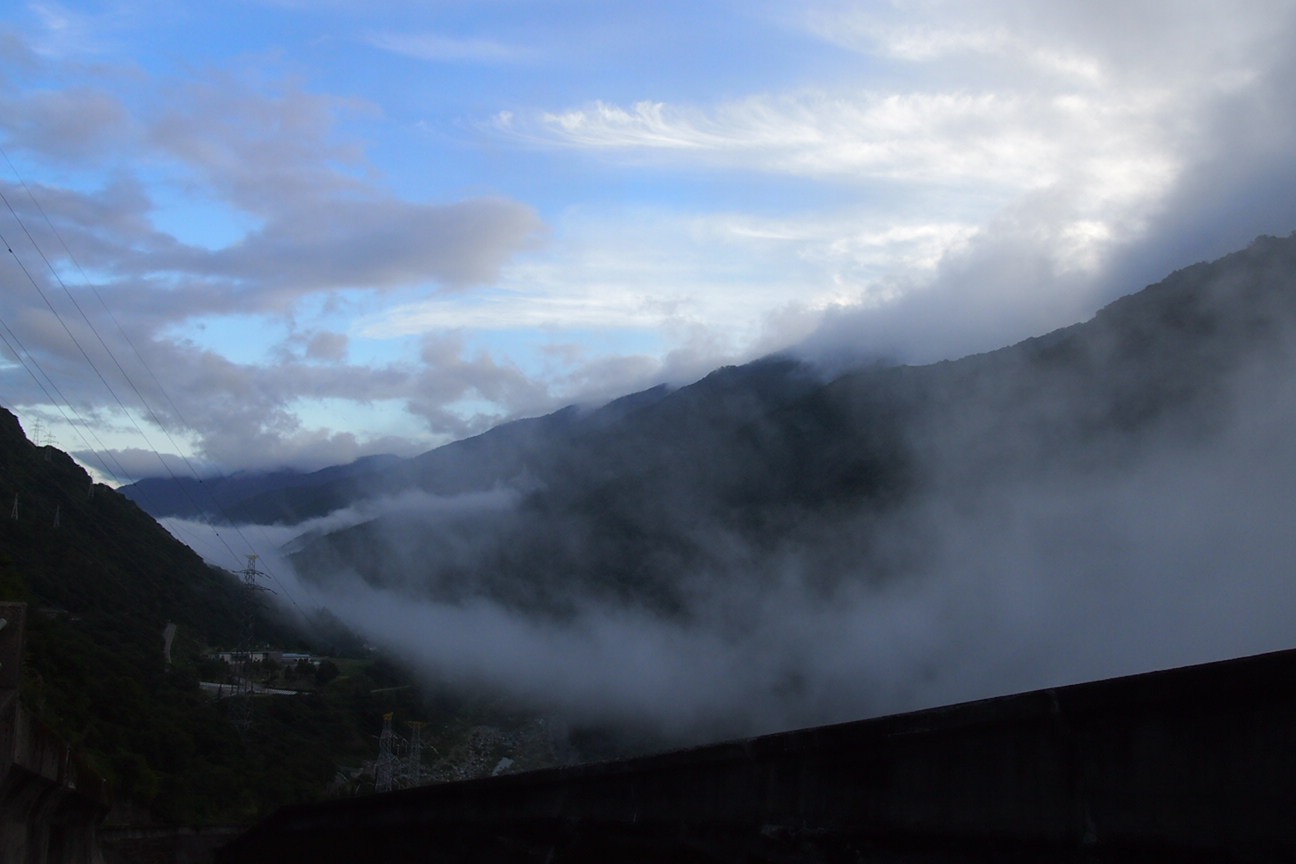
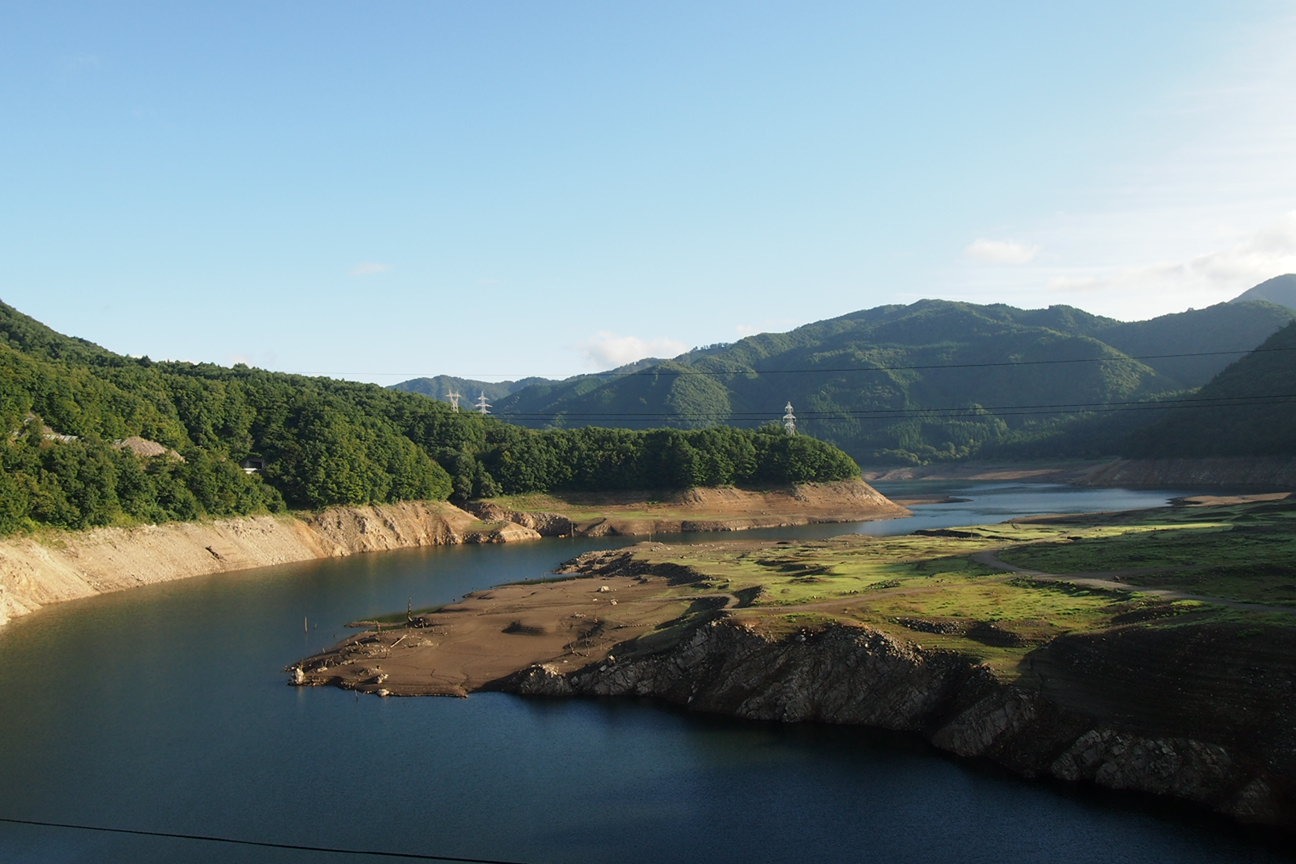
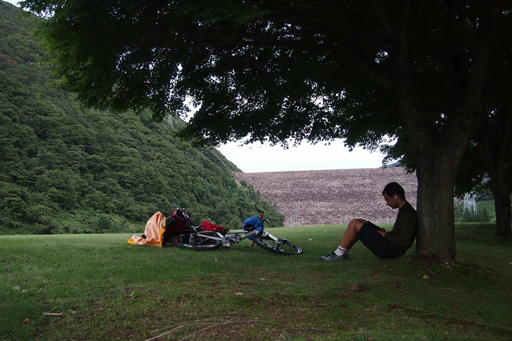
Traveling by bicycle, you can witness beautiful natural phenomena. Very early, heavy fog rises from the slopes and accumulates in the crevice between mountains. The wind blows it toward the lake and it floats like a big snake, gradually rising upward. At five in the morning I raced with it for about ten kilometers, then our paths diverged.