Temples and the Grandeur of Nikko
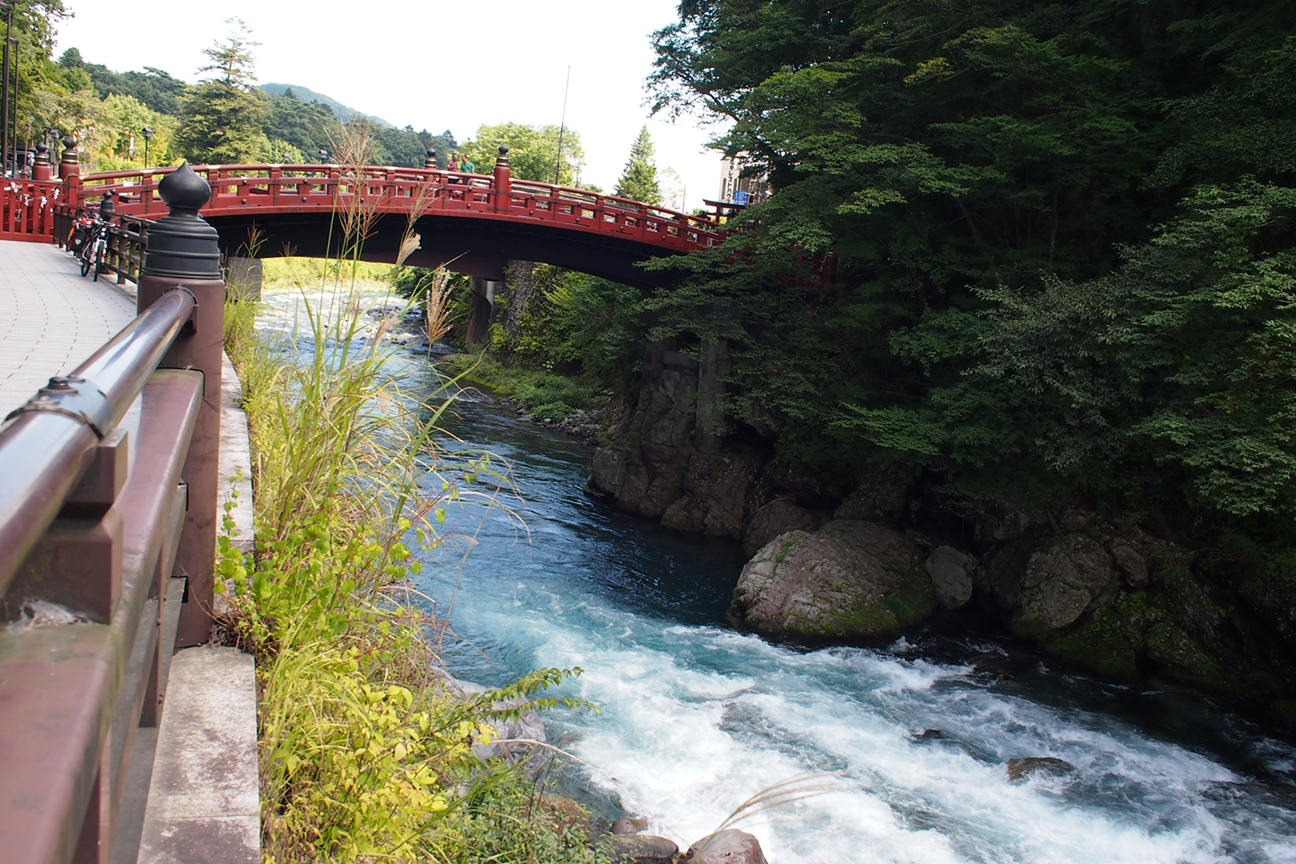
AI TranslationAbout 30 kilometers out, signs started appearing: "World Heritage Nikko Shrines and Temples." I hadn't heard of this city before, but I know the name Tokugawa — the great military commander and statesman who completed the unification of Japan in the 16th century. The book "Honor of the Samurai" is written about his predecessor and friend Toyotomi Hideyoshi, but Tokugawa gets attention in it too. The shogun is buried in the Shinto shrine Toshogu in Nikko. The place is under UNESCO protection.
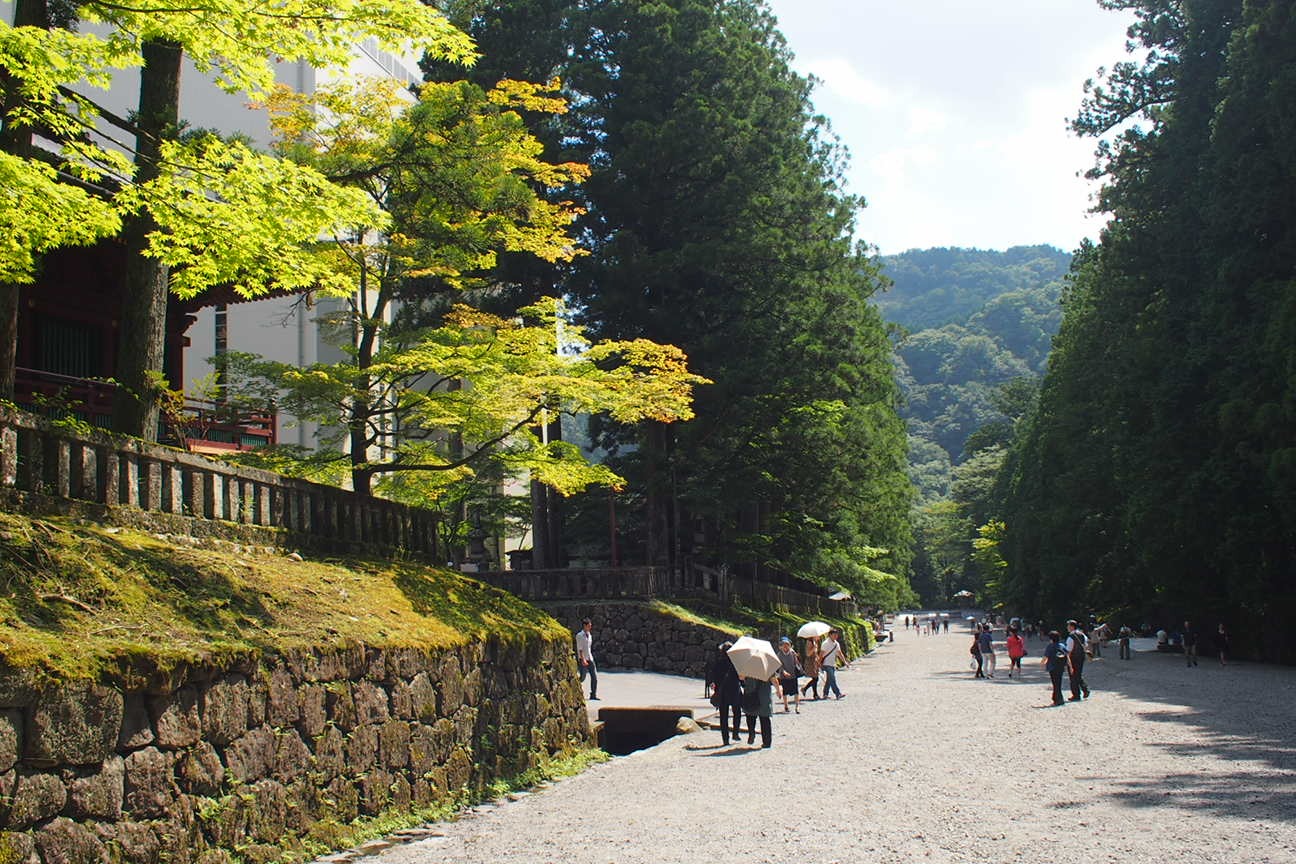
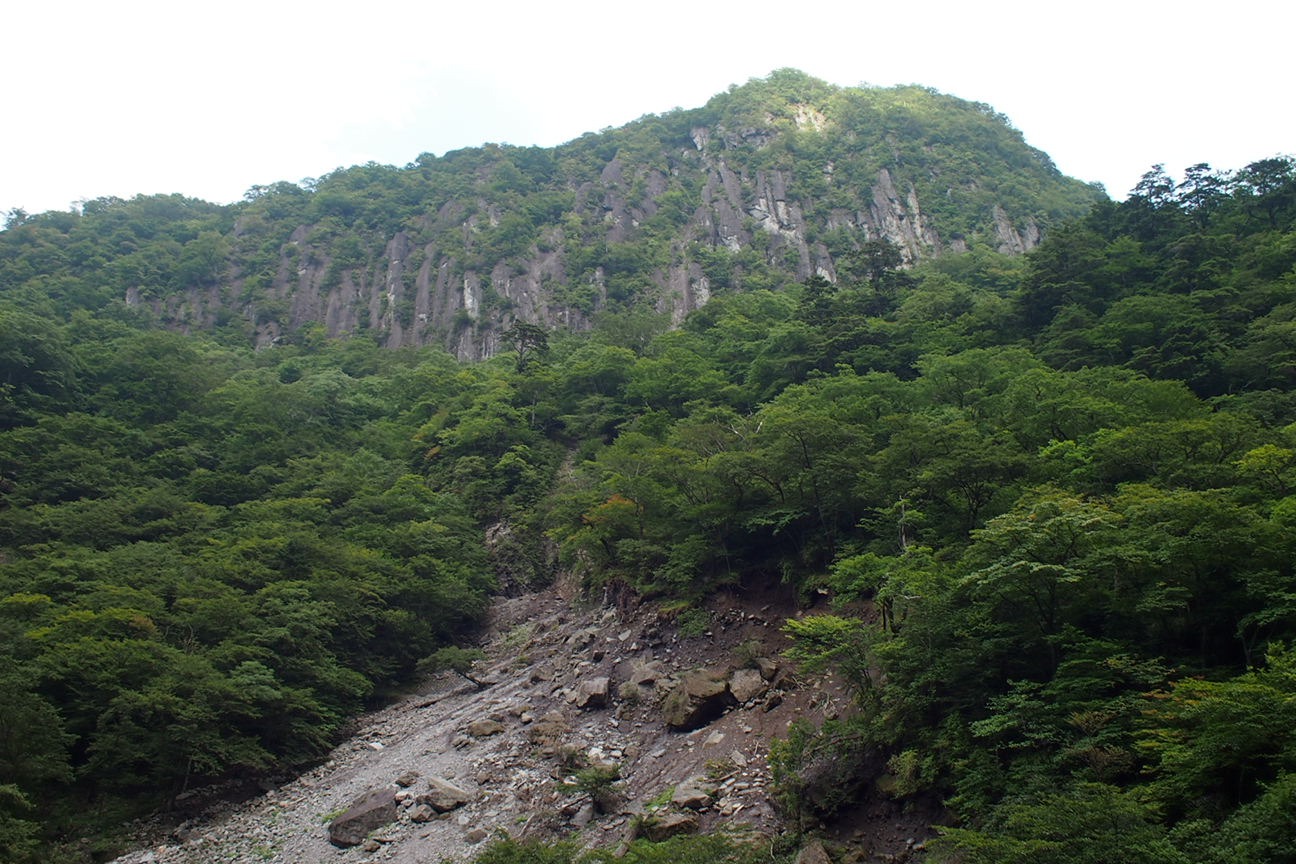
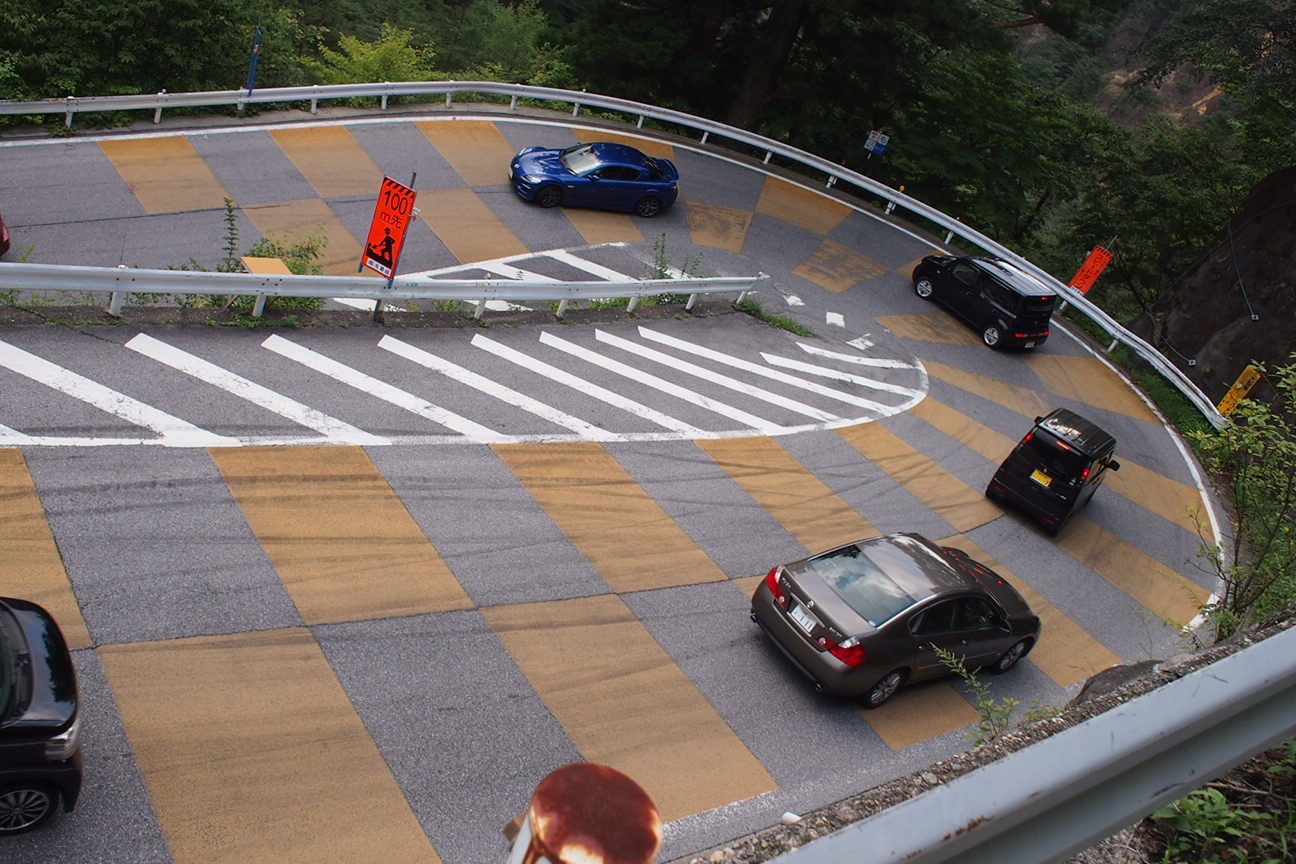
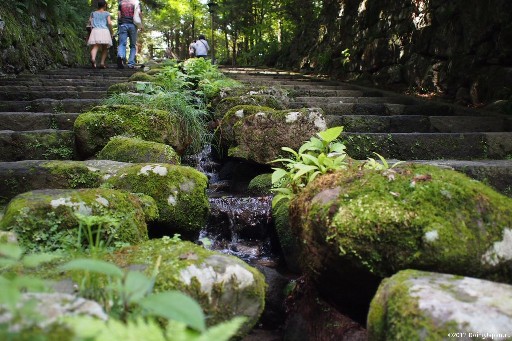
The road constantly climbs upward against a backdrop of steep slopes, impregnable walls, guarded by the mighty trunks of Japanese cedars.
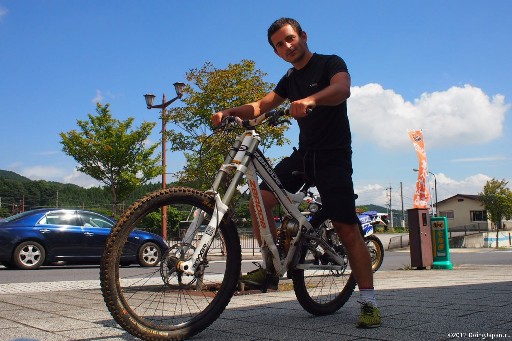
I arrived in the city on the evening of the third day since leaving Tokyo. But it wasn't the road that wore me down, it was the mental journey I began after leaving Sendai. The tsunami zone shook me. I don't fully understand why, but I wrote three posts about it and can say that I rarely wrote with such interest, attention, and readiness. The dampness, grayness, and weeds of those places against the blue ocean followed me later to Tokyo, where I found comfort and warmth, got carried away with cheerful conversations and the silhouettes of skyscrapers against the sunset. It was hard to force myself to pack the things scattered around the room into two bags again and head out under the sky's roof, general direction: north, overnight accommodation — uncertain. All three days I rode in silence, except for brief encounters, slept in a tent and ate for three. I tried to write something, but as soon as I opened my laptop, I immediately felt sleepy.
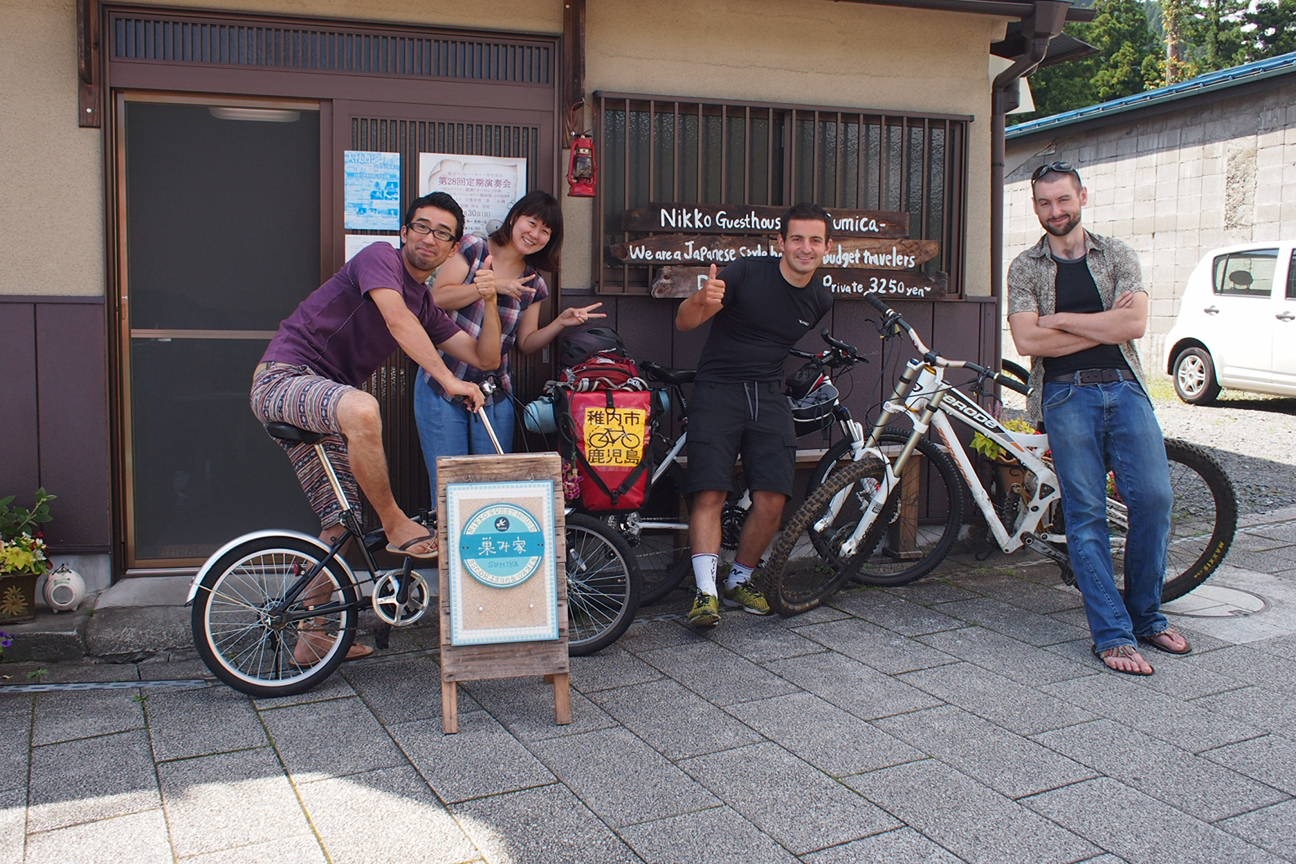
In Nikko there's liveliness and unusually many European faces. I stayed in a guesthouse in one room with a Brit and an Indian. The Brit had booked a room in a hostel in Nikko online, but forgot which one. Luckily for him, there was a free bed here. The Indian, twenty-seven years old, is working on his doctorate in Hong Kong, and came to Japan for a trance festival. — A trance festival? The one in the forest? — Yeah, you know what I'm talking about. — He laughed with a druggie's laugh.
Then the future doctor told me about the effects of LSD, and why you shouldn't take it when you're sad. On the wall in the guesthouse hangs a map where each visitor marks their hometown. It was especially nice to see a yellow pin sticking out of Yuzhno-Sakhalinsk. Israelis also left their mark here and even hung a little wooden hamsa on the pin. On the street I met an Israeli woman and for the first time in a month and a half spoke Hebrew. Actually no, it wasn't like that. I got the Israeli woman's phone number from Peter in Tokyo. She's currently a volunteer at a local nursing home, studying Japanese and apparently planning to go to China later. Volunteering is another way to travel cheaply. I called her.
— Where are you from? — From Israel. — Do you speak Hebrew? — Yes. — I was still answering in English, since I hadn't spoken Hebrew since leaving and seemed to have forgotten how. Then I tried and inserted English words into every sentence, it was strange to hear my own voice. She didn't have room for me because of some weekend plans, but she dropped by the guesthouse to say hello. That's basically how we met.
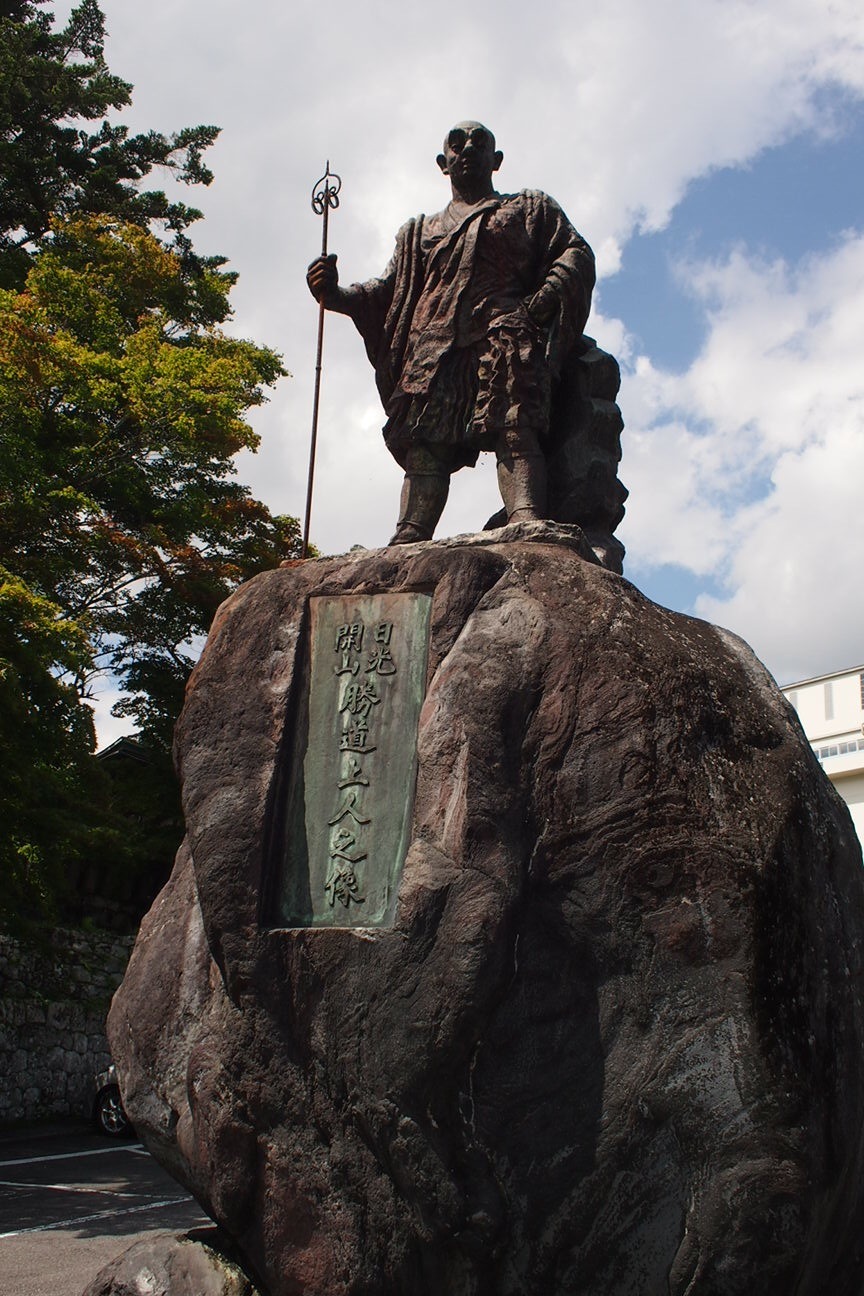
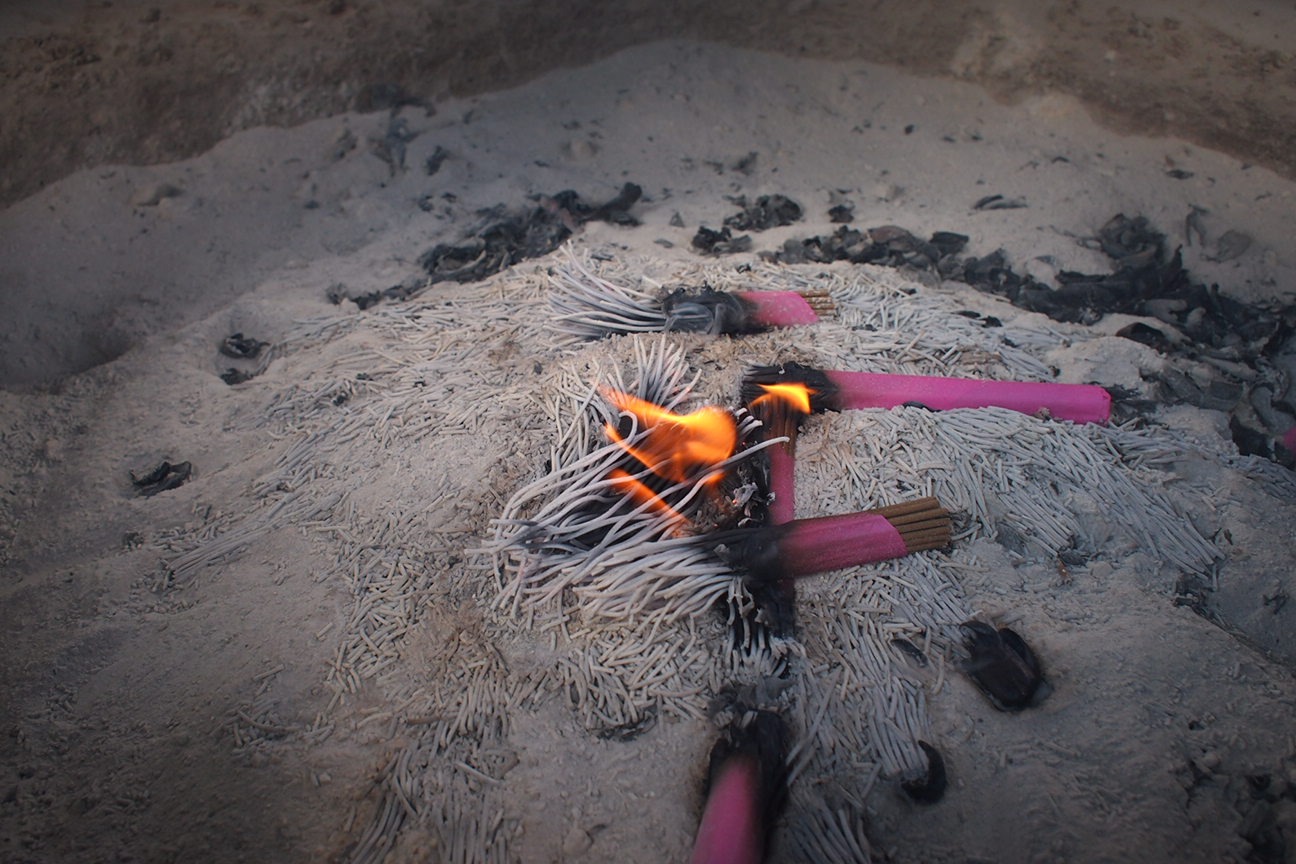
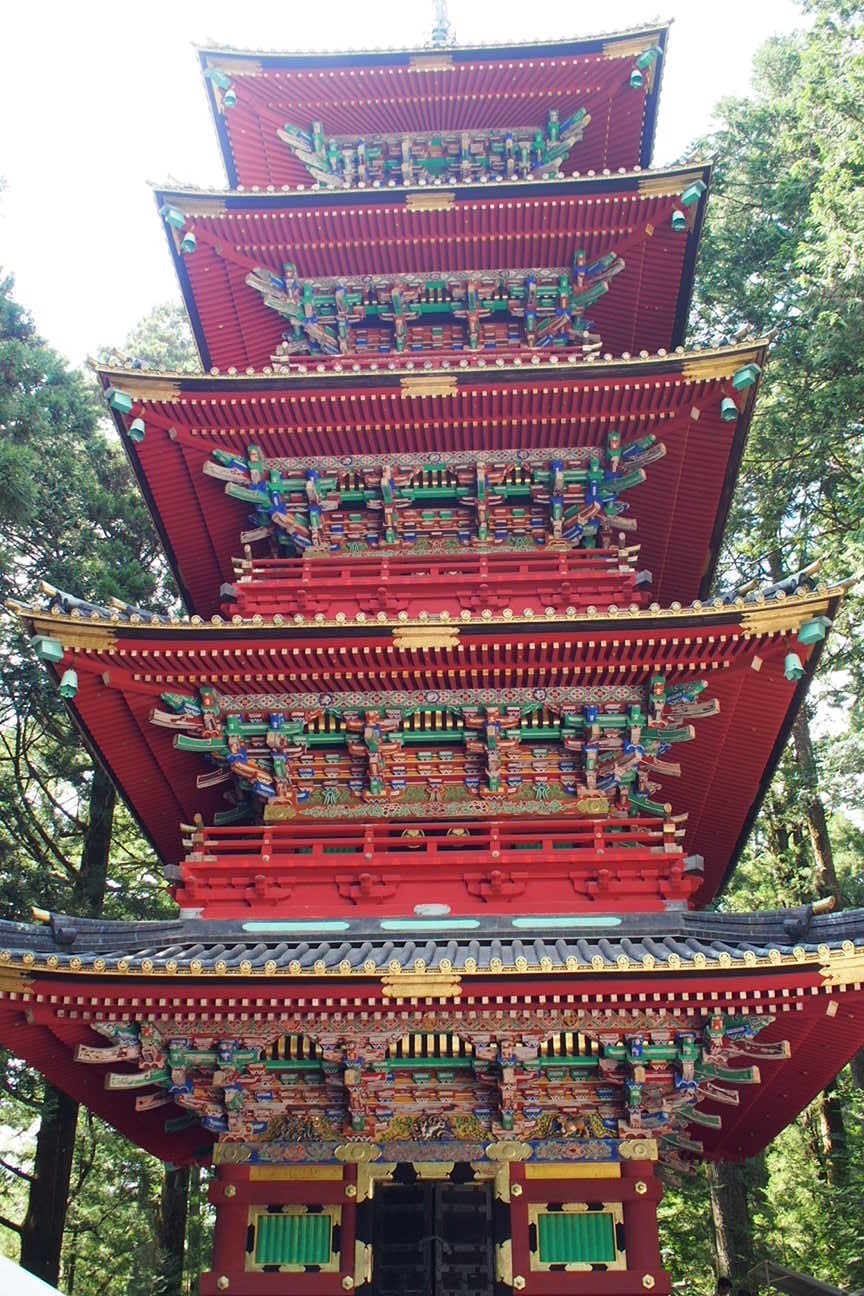
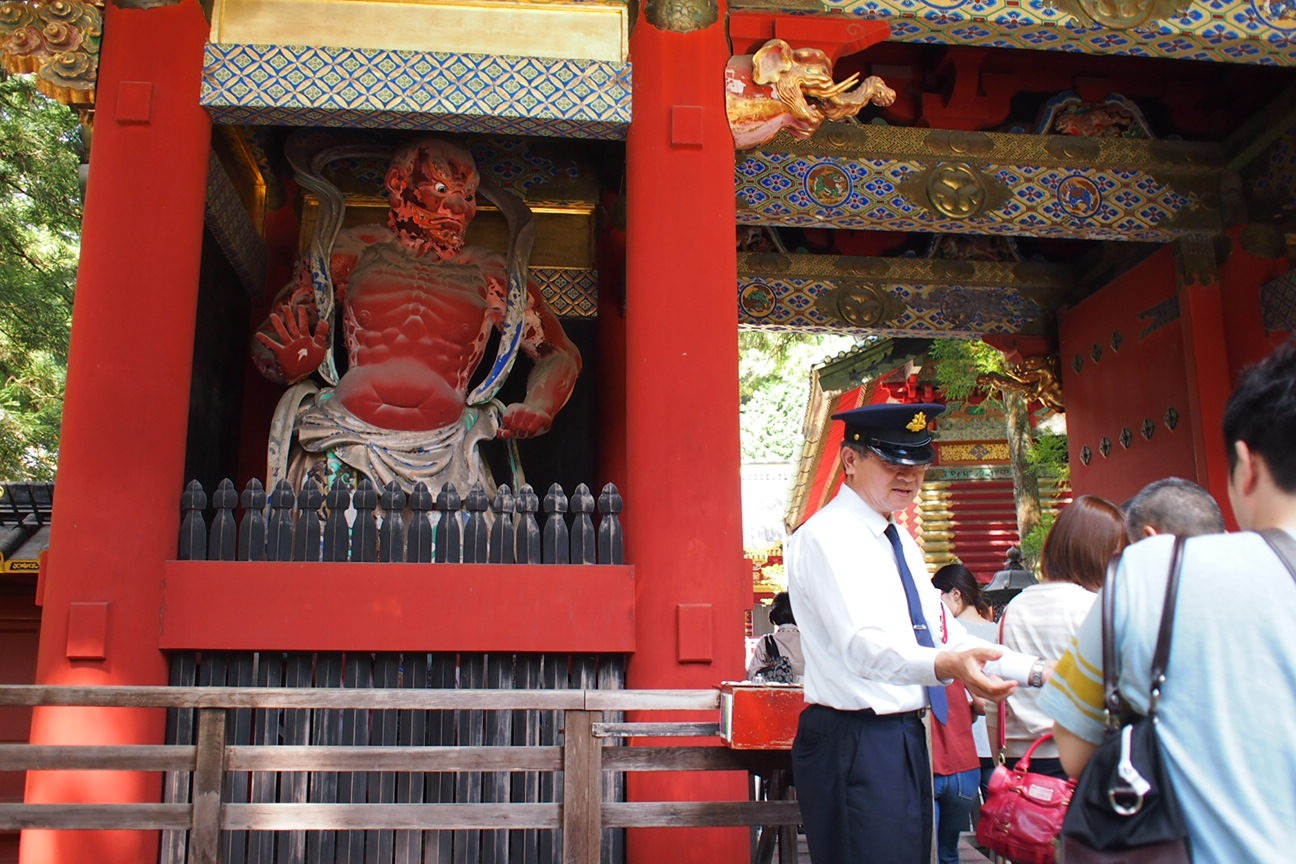
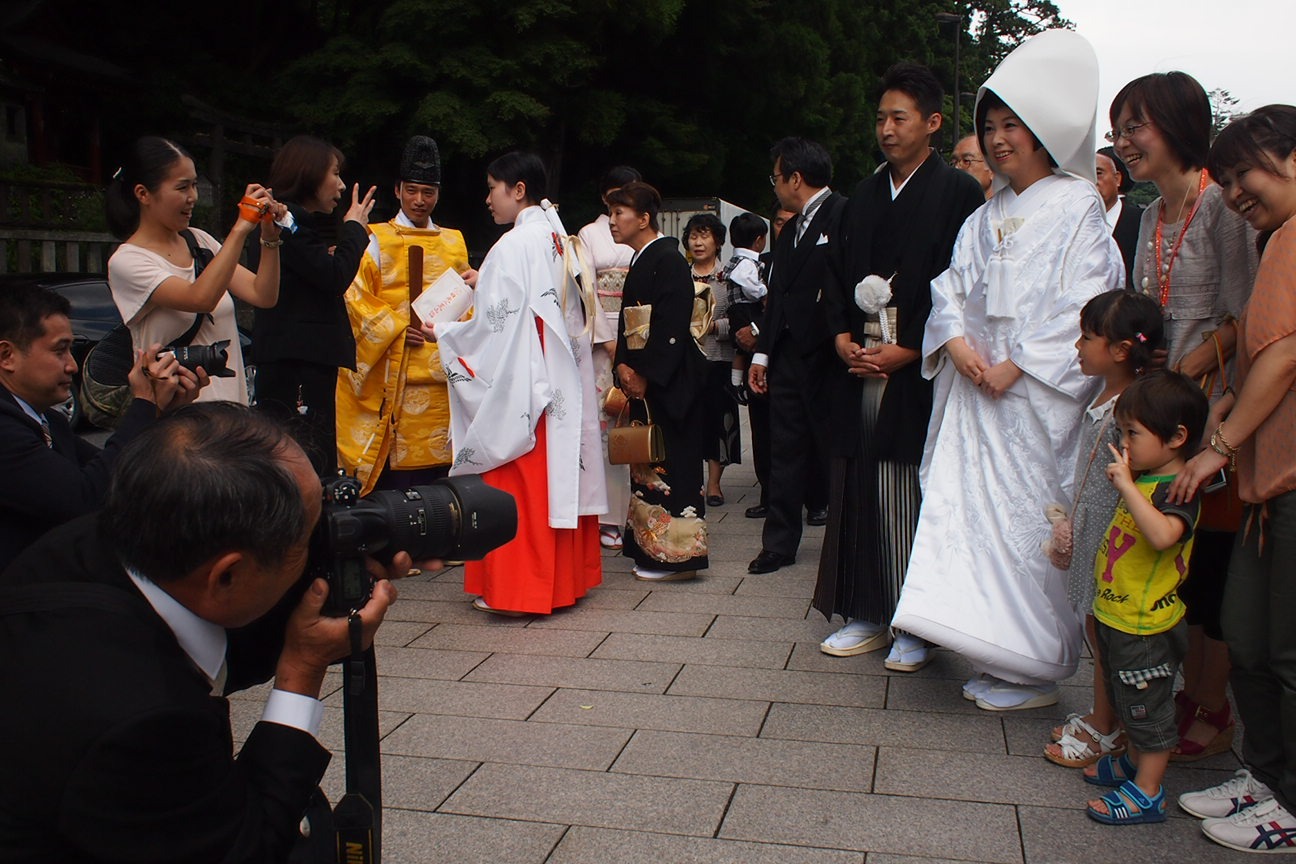
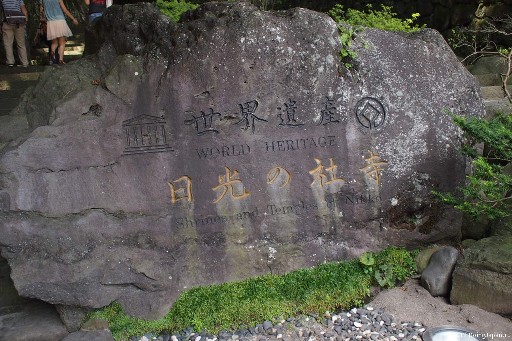
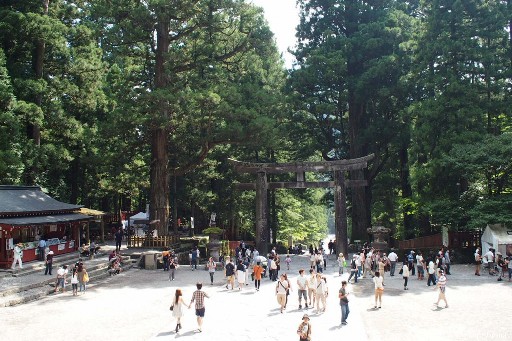
In the morning I went to the temple. At nine AM tourist buses were already spitting spectacle-hungry tourists onto the sidewalk in front of the "UNESCO World Heritage" sign. A Chinese man about forty in a white shirt and shorts, passing by a group posing for the camera at a stone with an inscription, reluctantly clicked a photo of it too, just in case. In the flow of the crowd I began climbing the mountain, with four temples or maybe it was five, after five minutes I stopped caring, just like I stopped caring about the temple names. Nothing ruins the grandeur of ancient buildings like UNESCO protection. — Is this a new building? — I asked the incense seller sitting in a kimono in one of the temples. — Which one? — This one. — I knocked on an aluminum support painted red. — No, this is an ancient temple [some name].
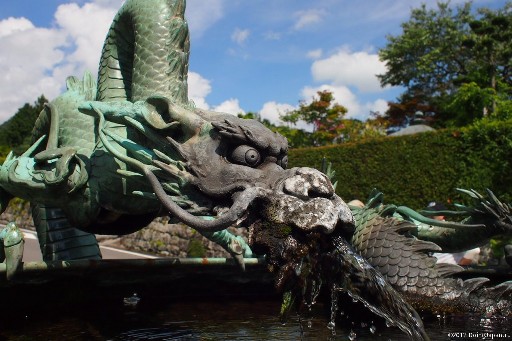
Trade is going full swing here. Ice cream, keychains, incense. The main temple is under restoration today, instead there's a huge metal hangar. On the hangar wall the temple is depicted full-size with a cut-out entrance. Entry costs money. Multicolored tourists look around absentmindedly for where to take photos. Gates, buildings, pillars. And what's this line for? A stone dragon. Everyone's photographing, I should too — a bored Chinese man points his camera without looking and clicks.
In another temple a bald monk is exorcising spirits. The live attraction is especially popular, photography forbidden — sacred place. The bald monk conjures over tourists' panama hats and caps. Says something in a whisper then breaks into shouting, energetically waving his hands.
Wow! Wow! The spectators are mesmerized, the monk has worked up a sweat. Purified and happy, hiding smiles, they step away, their place taken by another group of panama hats. The monk glances at them, he's slightly out of breath — tough day today. But can't lose face, money's been paid — spirits must be exorcised. The monk shouts, tired hands energetically wave left and right, striking "wows" from the viewers. This "wow" effect is mandatory — perhaps the purification could have proceeded at lower tones, but what would tourists bring home then? They need an artificial concentrate of impressions in one bottle, so that returning home with photos, they can tell their loved ones "wow!", write "wow!" in their blogs, Facebooks and Twitters and attract new spectacle-seekers here. Too bad about Tokugawa himself, can't resurrect him and chain him to some pillar — that would really boost sales.
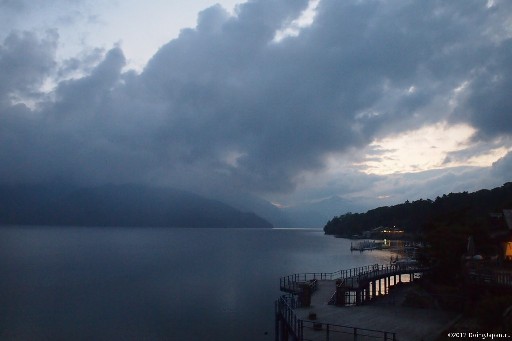
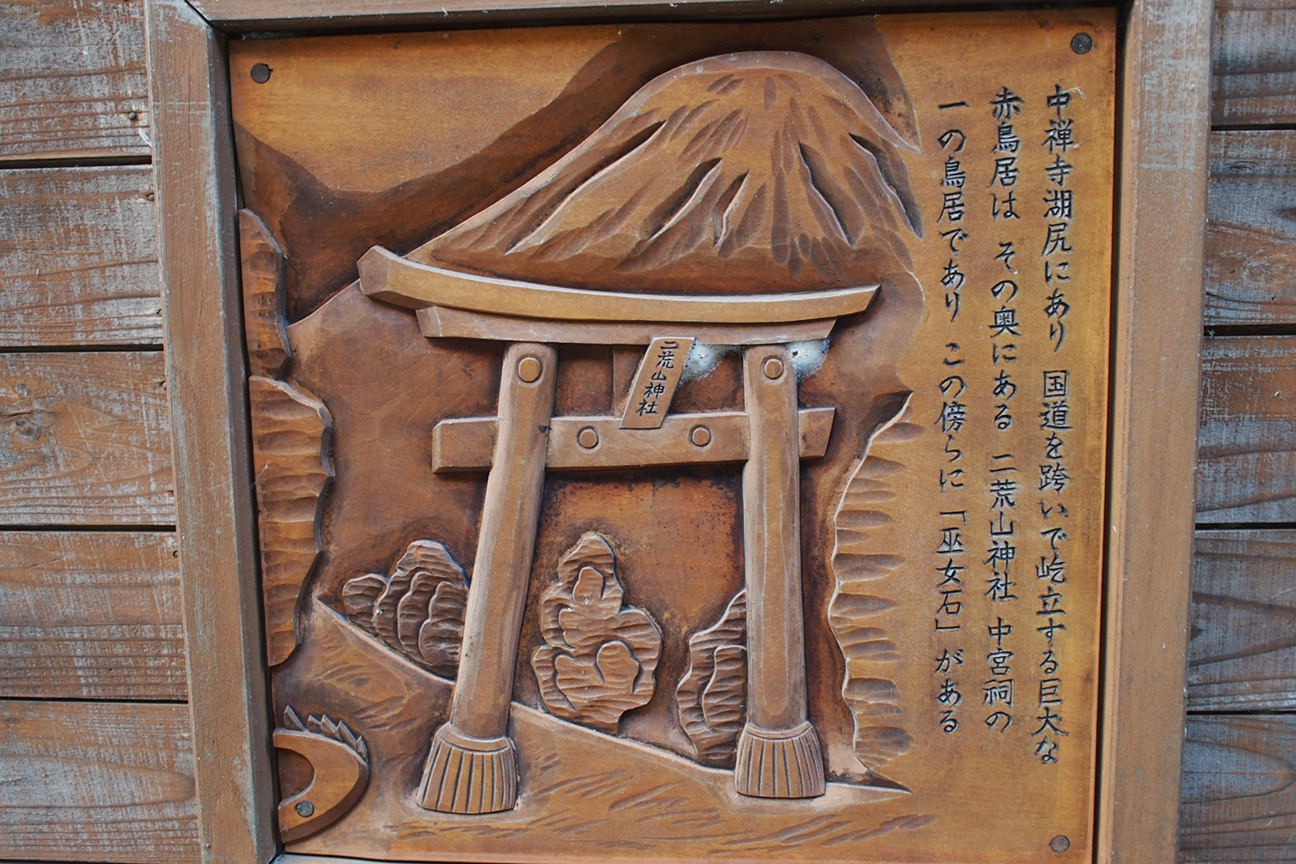
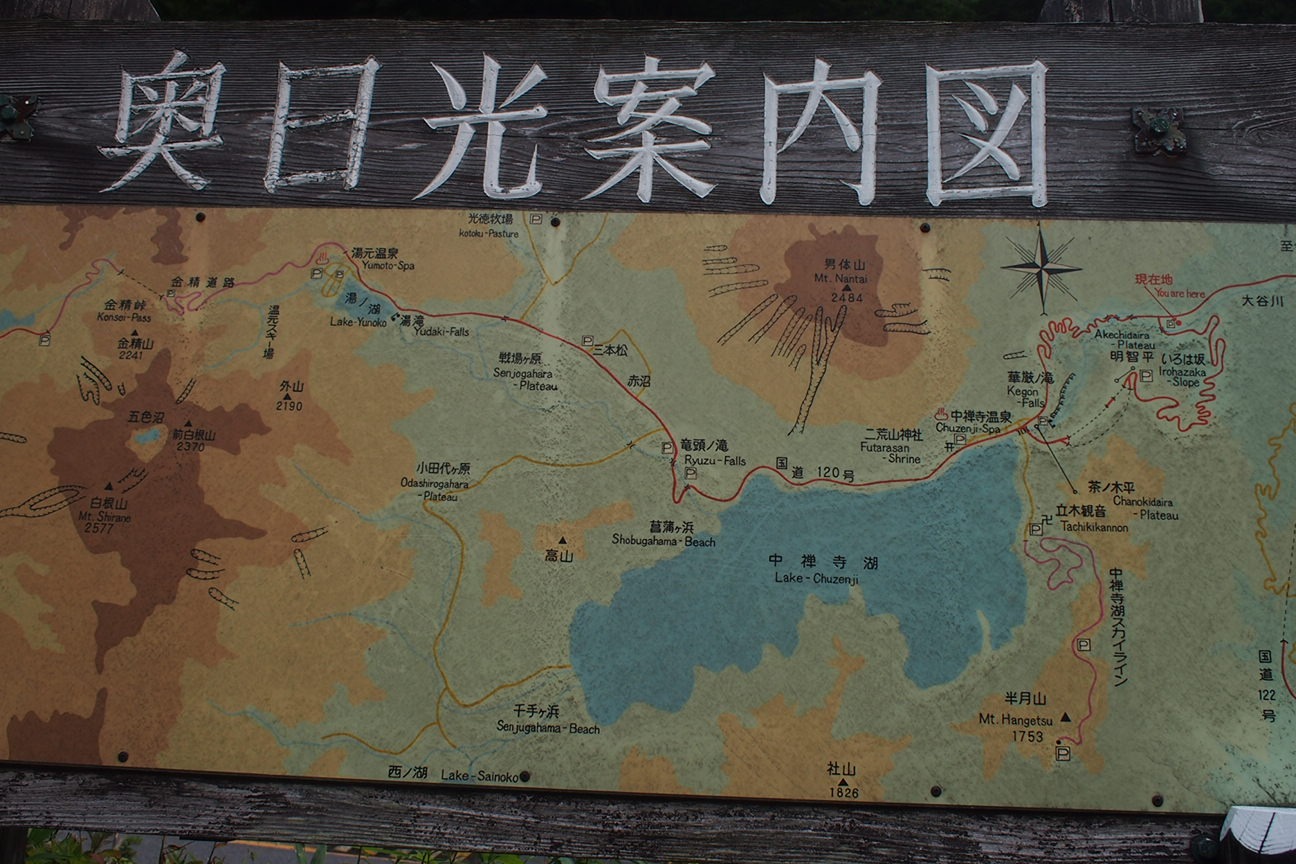
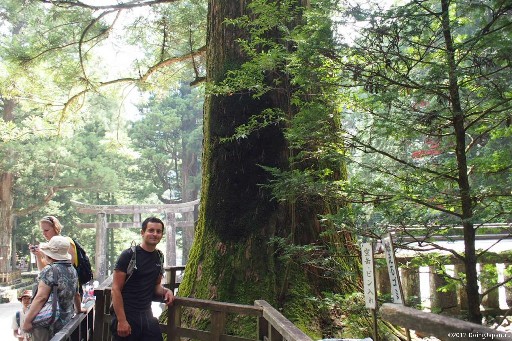
Nowhere in this place can you feel the old times, on no path can you imagine a wandering monk, only the immense cedars a meter in diameter stand aloof, not attracting the eyes of the multicolored cloth mass. From Nikko I headed to Lake Chuzenji — even higher in the mountains.