In the boondocks
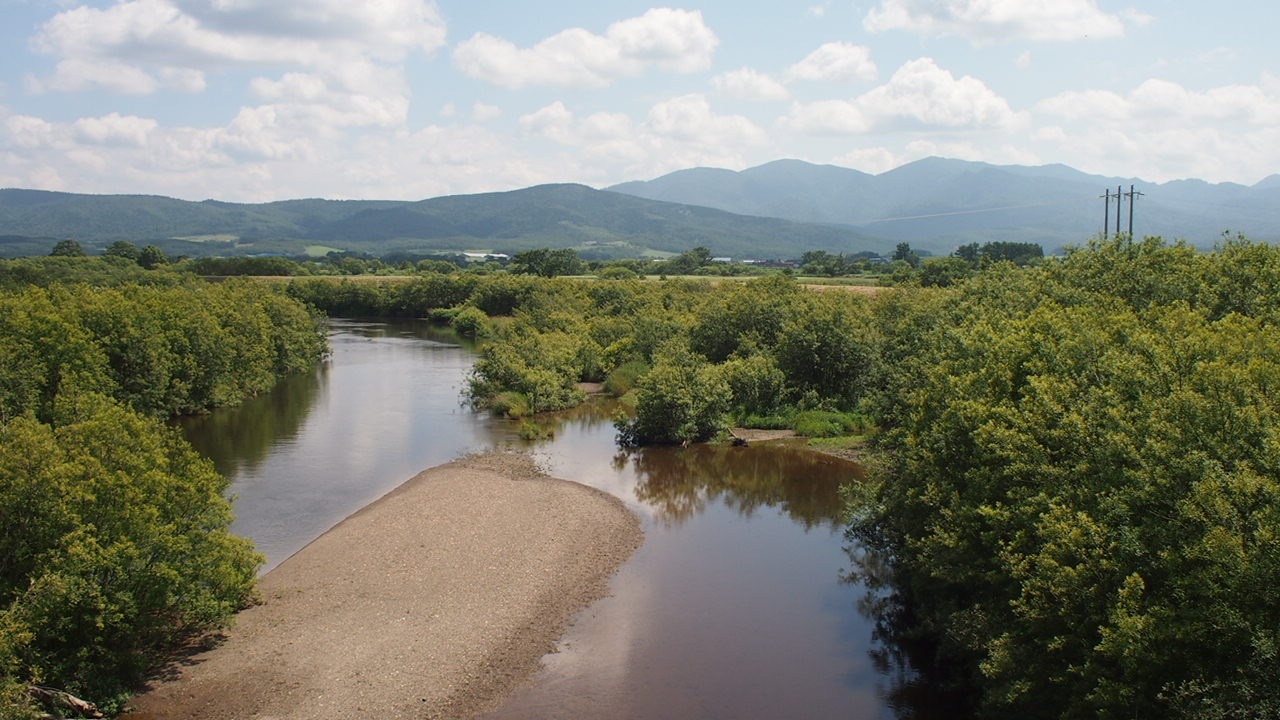
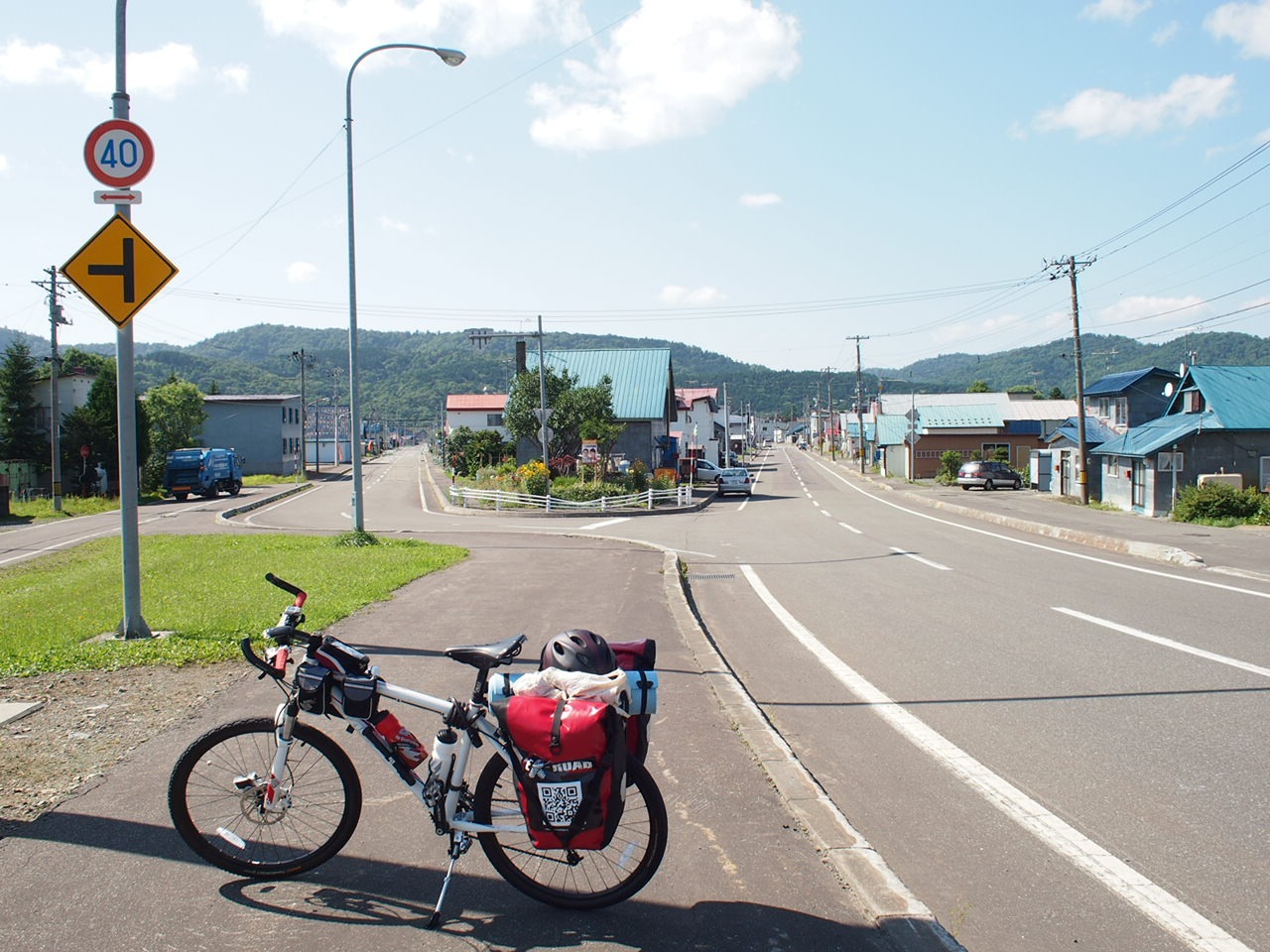
AI TranslationThe road went into the forest, and the near-sea landscapes gave way to fields, grazing cows and tractors. I need to buy food, I looked at the map — the next town is Hamatonbetsu, not far away.
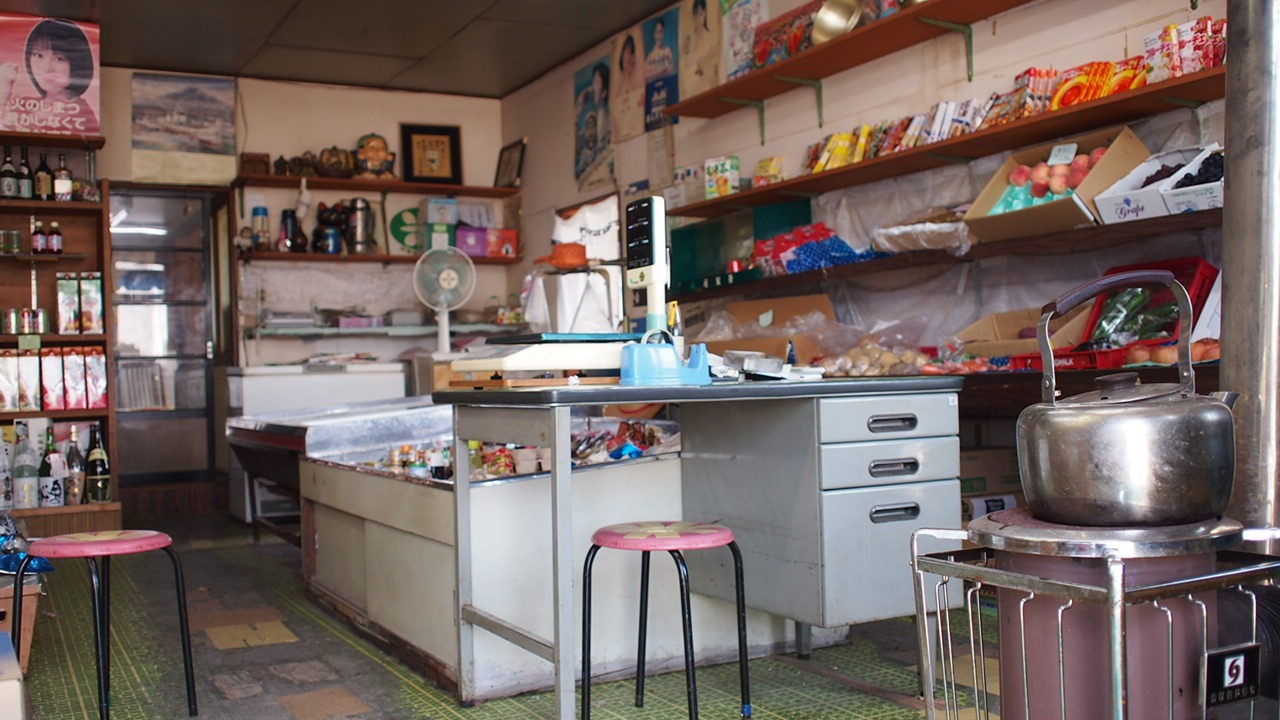
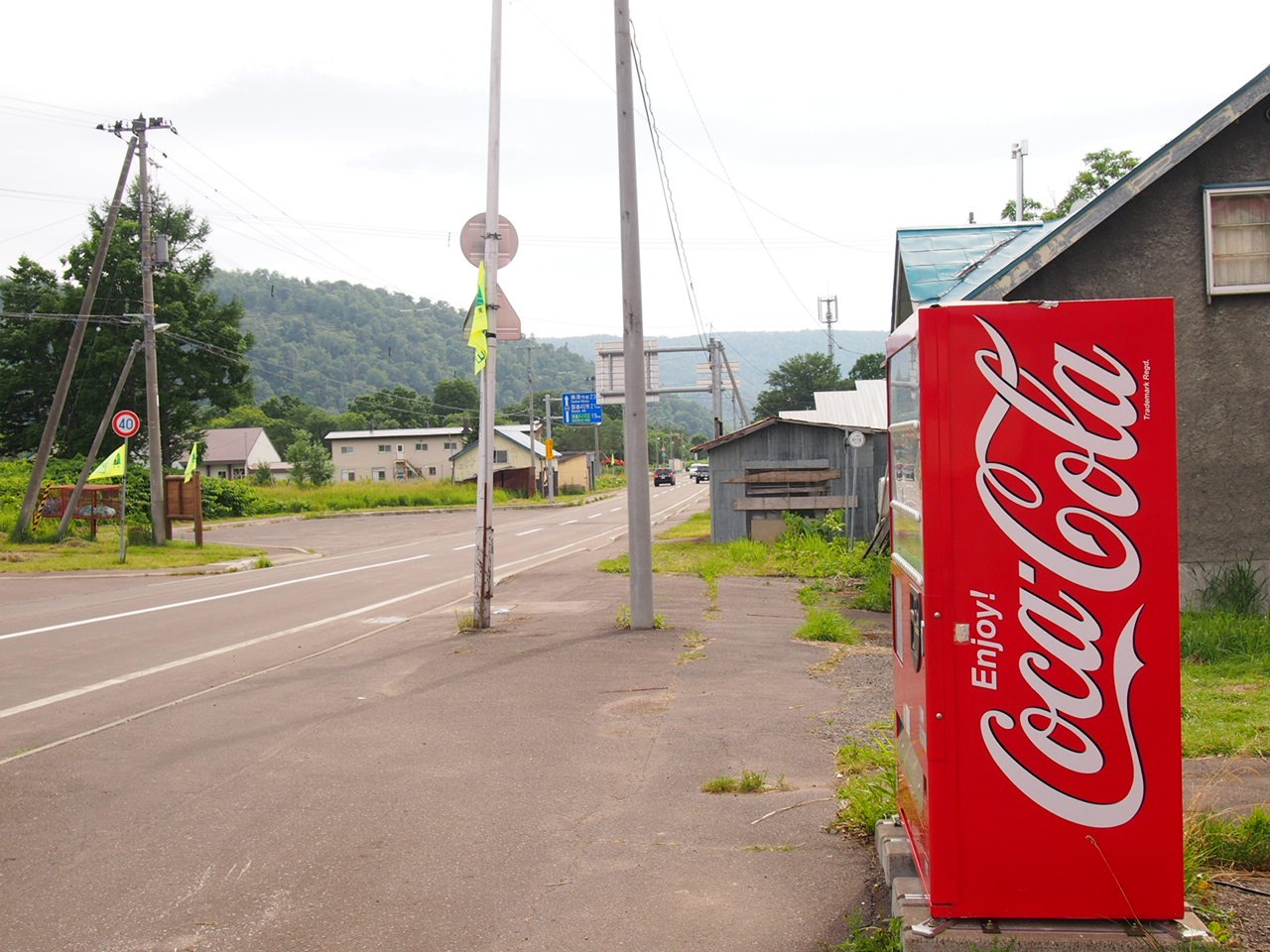
Outside is an ordinary store, all the same vending machines with coca-cola and cold coffee. Many types of cold coffee, about eight kinds — it's a very popular product in Japan. They sell it in vending machines and supermarkets (in large cardboard packaging, like milk cartons). I go inside — wooden floor, the lights are dimmed in the store, there's a metal kettle on the stove and nobody's there. — Konichiwa. I hear footsteps in the closet behind the register. A grandmother about four and a half feet tall in sweatpants comes out.
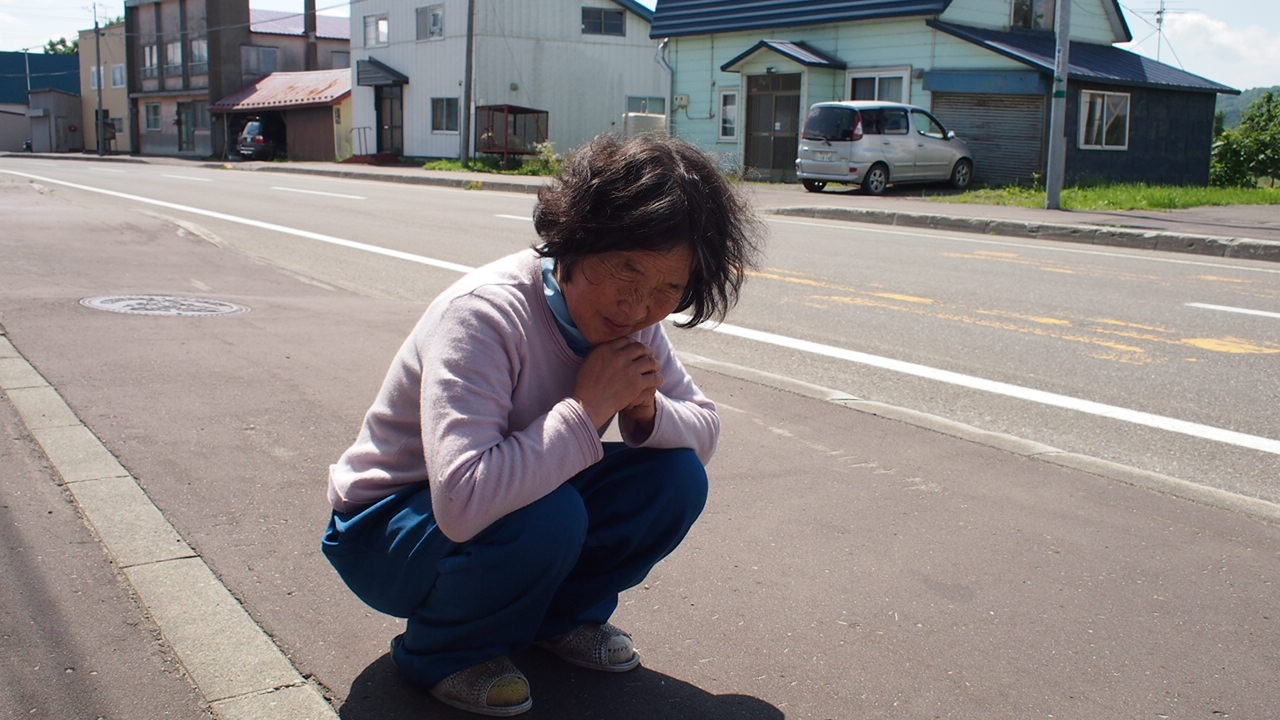
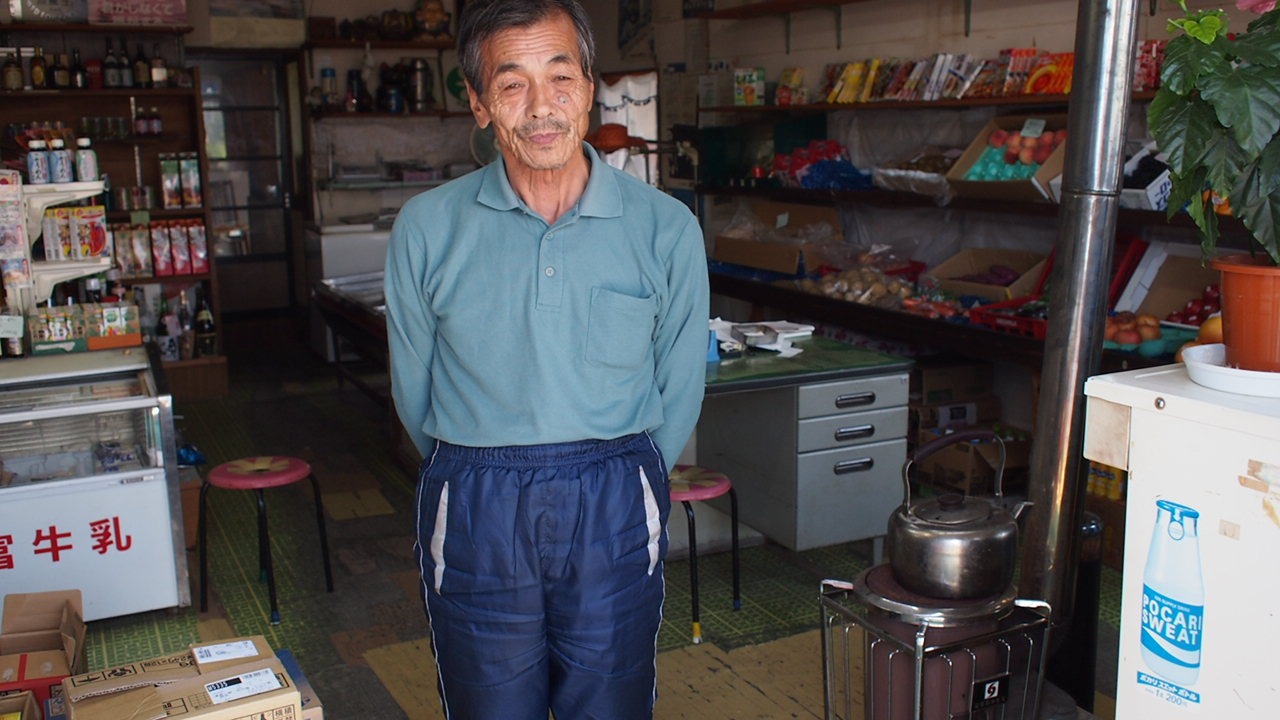
She speaks Japanese, and the way she stood by that kettle made for a great photo composition. I point at the camera, then at her. — Photo, photo (excuse me, can I take your picture for my blog?). Grandma continues speaking in Japanese: — Wakarimasen (I don't understand). She looked at me silently. Took a sheet of paper, a pencil and draws hieroglyphs on the sheet from top to bottom. — No, no.. — American? — No, Israel. — Oh... Israel. — she presses both little fists to her mouth, like a child, and laughs. She went to the phone, picked up the receiver and, pointing at the two-story house across the road, started dialing a number.
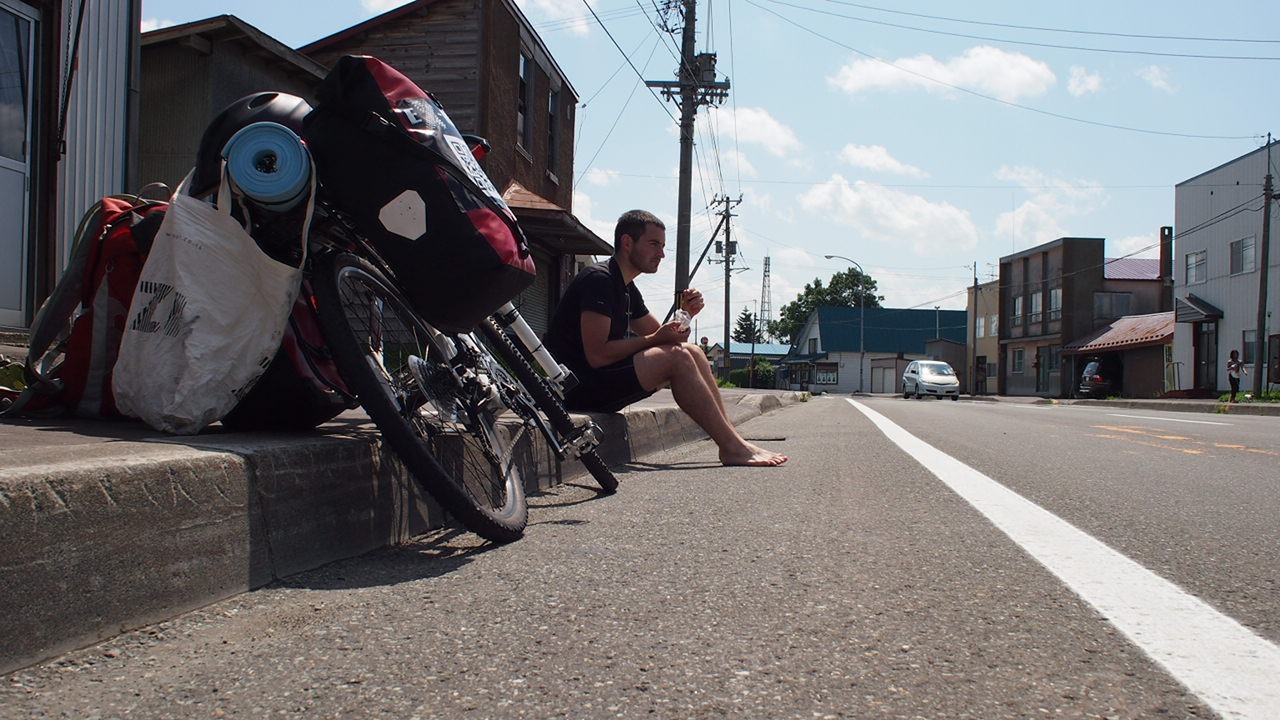
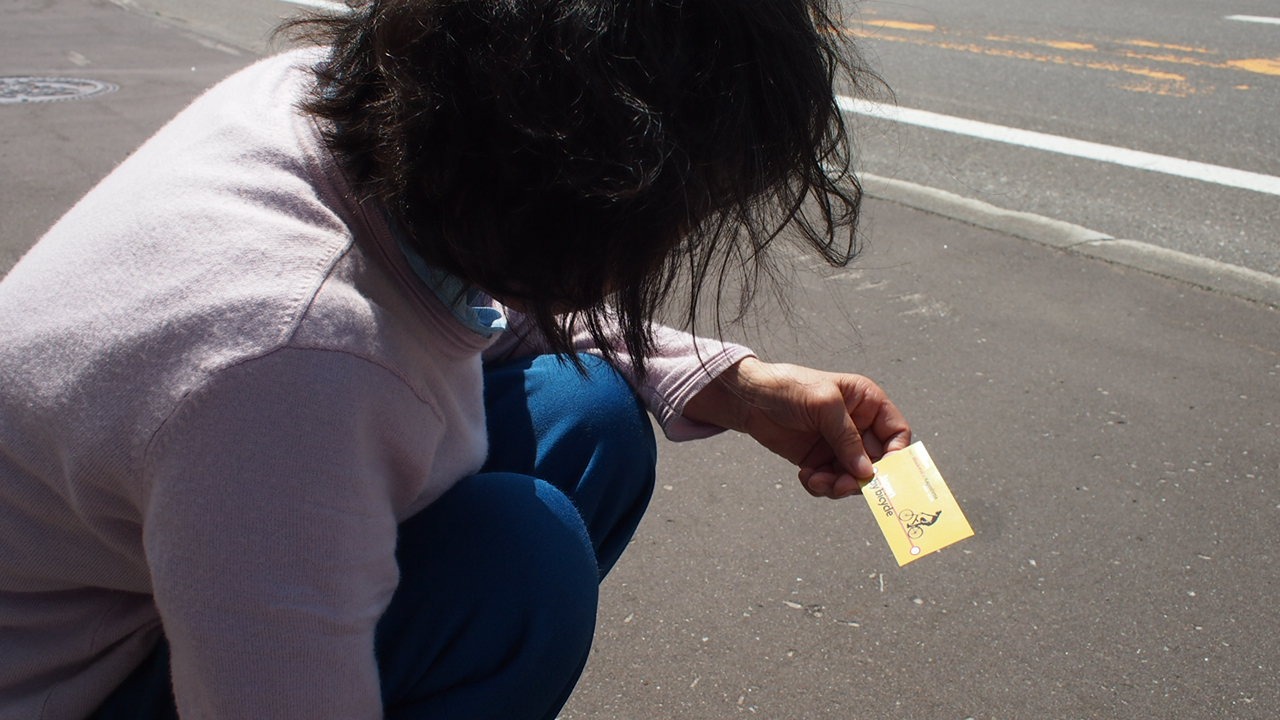
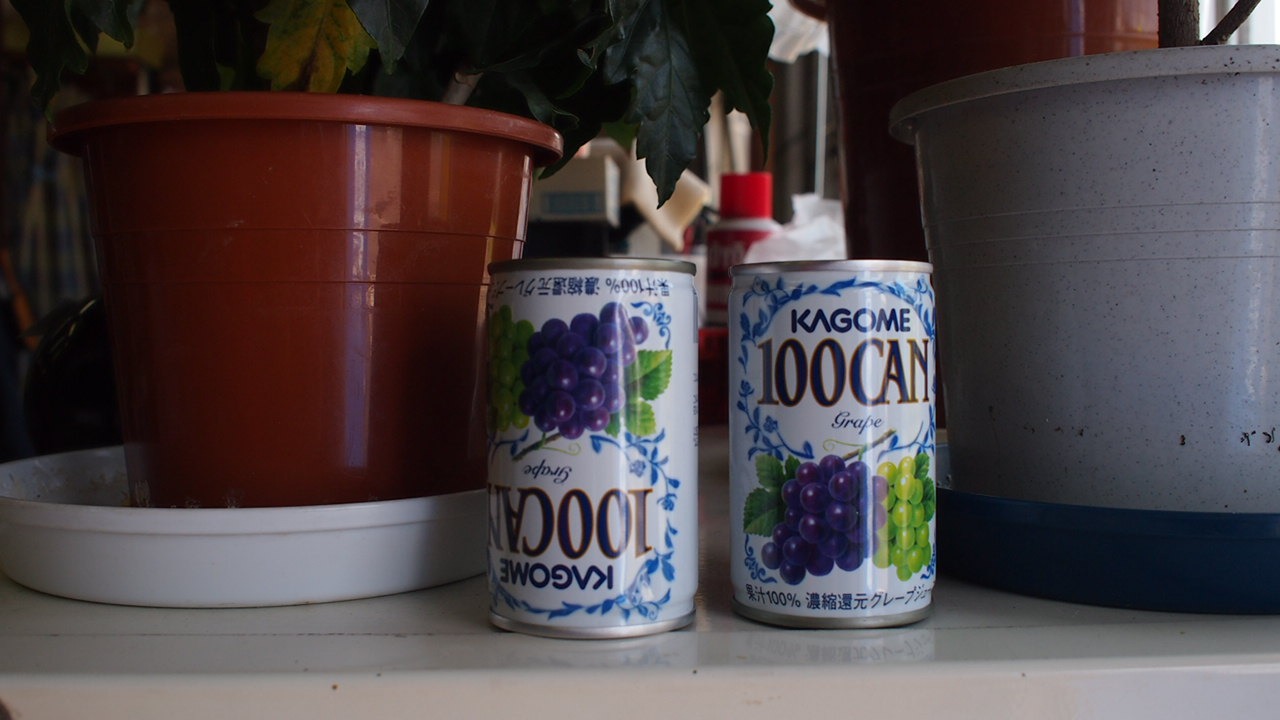
I can't reproduce the dialogue of this conversation here, since it was in Japanese, but I think it had the following content: — Listen, a gaijin came here on a bicycle, come take a look at him. — Oh, what does he want? — I don't know, he's mumbling something incomprehensible. From the house across the road came out a grandmother in a red raincoat with a hood on her head, went down the stairs, got on a bicycle, and, crossing the road on it, approached us. She looks at me, smiling, points at my nose and laughs. I keep trying to get a good shot, telling them: — Photo, photo. The grandmother in sweatpants waves her hand from side to side and squints, like "no need." Then she went into the store and brought me a can of grape juice, and sat down on her haunches herself and examined the bicycle, touching the flashlight and bags with her index finger and saying something. She points at the road and says something in Japanese again. I understand she's asking where I'm going. — Wakkanai, Hokkaido, Honshu, Shikoku, Kyushu, Kagoshima. (I left from Wakkanai and plan to ride through all the main islands to Kagoshima, possibly further). — Ohhh!! Kagoshima! — she laughs, pressing two little fists to her cheeks. I want to photograph her again, but grandma waves me off again, brought me two cans of grape juice. Alright, I think, time to go, I stuff the camera into my bag. Saying goodbye, I wave my hand. Grandma goes into the store and brings out a plastic package with three big sushi.
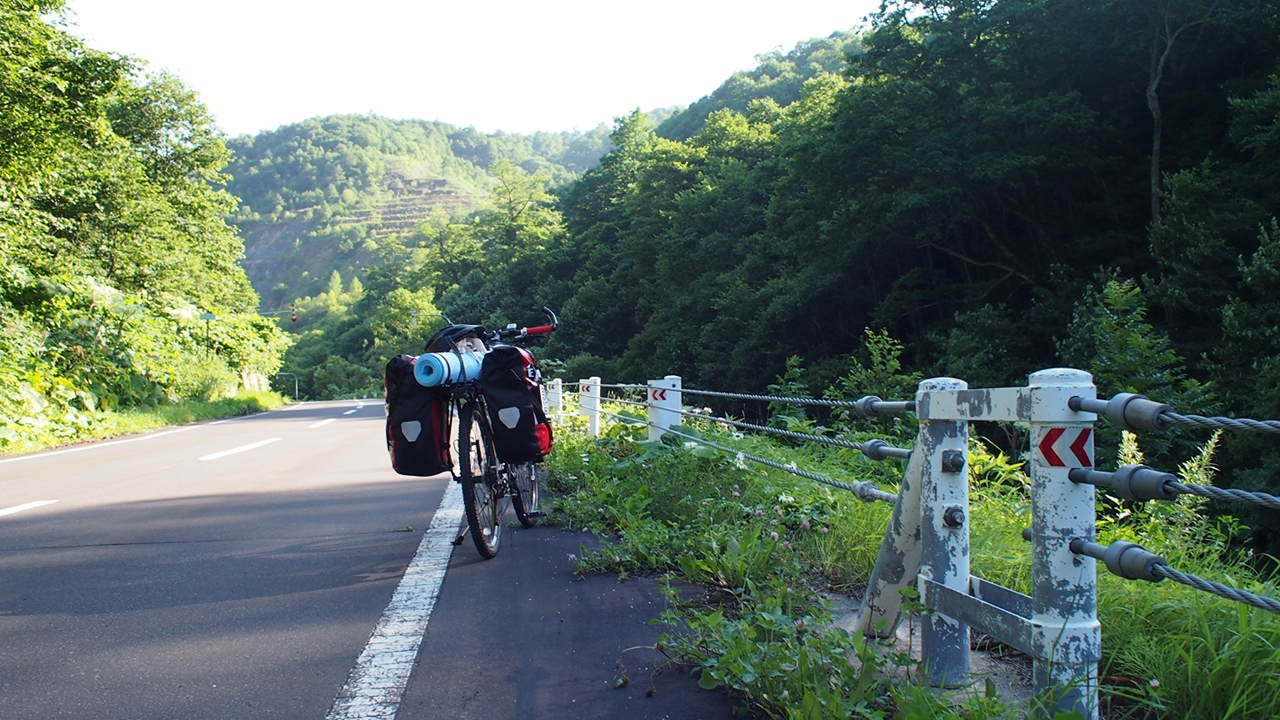
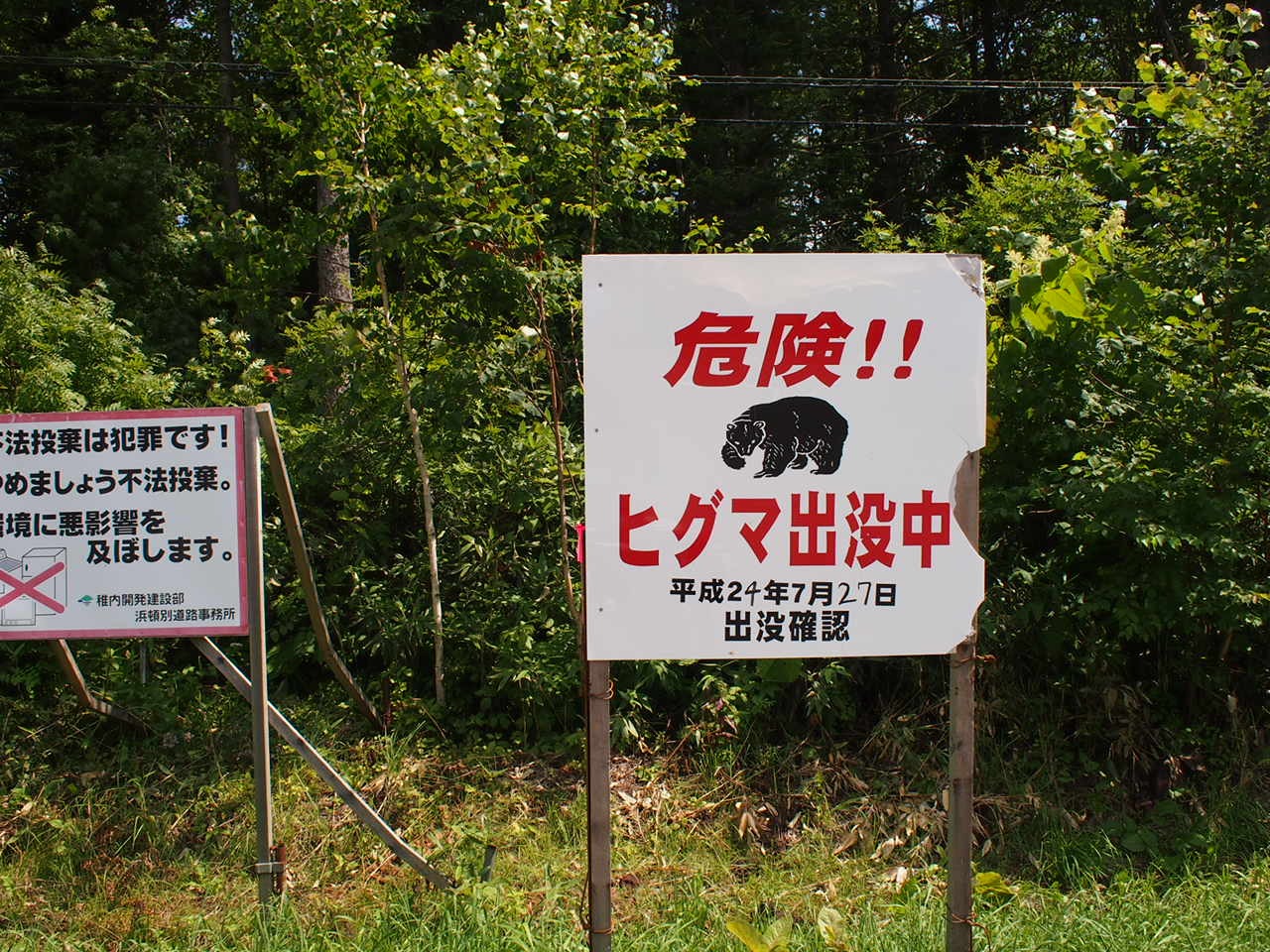
Further on, the settlements ended, and the forest began, impenetrable on both sides. At the entrance to it, a sign with the image of a fierce bear was waiting for me. The evening before, at the onsen I was talking with a biker. — Are there bears on Hokkaido? — I knew there were bears, but I was asking hoping for reassurance. Something like "Yes, there are bears, but they're not aggressive, you have nothing to fear," but I heard something completely different in response. — Yes, there are many bears on Hokkaido. Be careful. Last year a bear came into a house and ate a person. Oops...
I'm riding through the forest on the road, imagining how a bear crawls out of the bushes, his fur standing on end. Without pause, without even sniffing, he hits me in the face with his paw. When I'm pedaling, it's not so scary, but often the road goes uphill, I have to walk, pushing the bicycle beside me, in these moments I feel unprotected. I reached a new little town. I'd seen ones like this before in American movies. One street, two-story cottages. There's nobody in the grocery store, but by the wall opposite the entrance there's a sliding door with shoes standing by it. Behind it I hear voices. — Konichiwa. — as usual I announce my presence. The door opens, there's a family sitting there — it's the entrance to the apartment's living room. Before, travelers asked for lodging and water, now it's Wi-Fi and an outlet. I wanted to publish a post, but there'd been no internet for three days already.